
Effective Strategies to Alleviate Dry Eyes Naturally and Safely
Discover comprehensive, natural methods for relieving dry eyes effectively. Learn about warm compresses, blinking exercises, and eyelid hygiene practices to restore comfort and prevent future problems. Expert advice included for persistent cases.
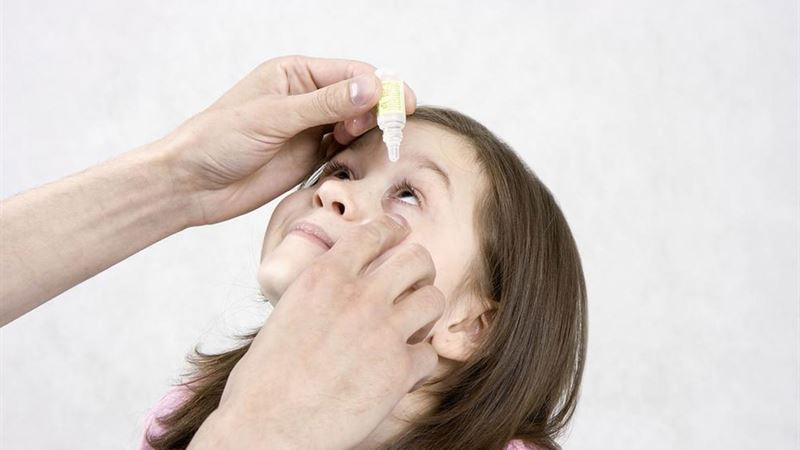
Dealing with persistent dry eyes can be uncomfortable and disruptive to daily life. With countless eye drops available in the market, selecting the most suitable treatment can be overwhelming. It is highly recommended to consult an ophthalmologist or eye care specialist before starting any new eye treatment to ensure safety and effectiveness. In addition to medical advice, several simple home remedies and lifestyle changes can help alleviate dry eye symptoms, restore comfort, and protect your eye health for the long term.
One of the most recommended natural remedies for dry eyes is applying warm compresses. This method helps to promote healing by increasing blood flow and opening up the meibomian glands, which are essential for producing the oily layer of tears that prevents evaporation. To maximize the benefits, the compress should be heated to approximately 108°F (42°C) and maintained at this temperature for over 10 minutes. The warmth helps to soften any buildup or blockages within the glands, facilitating better oil secretion and preventing dry, irritated eyes. For optimal results, it is advised to apply the warm compress twice daily — once in the morning and once in the evening — to consistently soothe and hydrate the eyes.
Increasing the frequency of blinking is another surprisingly effective method to combat dry eyes. While this might seem counterintuitive, blinking acts as a natural lubricant for the eyes by spreading tears evenly across the surface. When engaging in activities such as reading, working on a computer, or using digital devices, our blink rate tends to decrease significantly, leading to dryness and discomfort. To counteract this, consciously practicing full blinks — where the eyelids squeeze shut completely and then open slowly — ensures the eyelids distribute tears evenly and remove debris. This simple habit can markedly reduce dryness, especially during prolonged screen usage or prolonged focus tasks.
Cleaning the eyelids properly is an often overlooked but crucial step in maintaining eye health and preventing dry eye symptoms caused by blepharitis or meibomian gland dysfunction. During your nightly facial routine, gently cleanse your eyelids using a moist washcloth or specialized eyelid wipes. Apply a clean, damp cloth to your closed lids for about a minute, carefully removing any crust or residue that may harbor bacteria. Mild cleansers, such as diluted baby shampoo or medicated eyelid cleansers, can also be used to scrub the eyelids without irritating the delicate skin. Regular eyelid hygiene not only reduces bacterial buildup but also helps prevent inflammation and blockages that contribute to dry eyes.
Incorporating these practical tips into your daily routine can significantly reduce dry eye symptoms and prevent future occurrences. However, if symptoms persist despite these measures, it is essential to seek professional medical advice promptly. Persistent dryness might be a sign of underlying conditions such as meibomian gland dysfunction, Sjögren’s syndrome, or other ocular issues that require specialized treatment. Consulting with an eye care professional will help determine the root cause and guide you toward effective management and relief. Remember, maintaining good eye hygiene, protecting your eyes from harsh environmental factors, and adopting healthy habits are key steps in preserving your eye health and comfort over the long term.