
Comprehensive Guide to Understanding and Interpreting Blood Pressure Charts
This extensive guide explains how to interpret blood pressure charts, understand the significance of various blood pressure categories, and why monitoring systolic and diastolic readings is vital. It emphasizes lifestyle modifications and medical interventions essential for maintaining healthy blood pressure levels and reducing cardiovascular risk. The article provides practical insights for patients and healthcare providers to better manage and act upon blood pressure data, promoting overall heart health and early detection of hypertension-related complications.
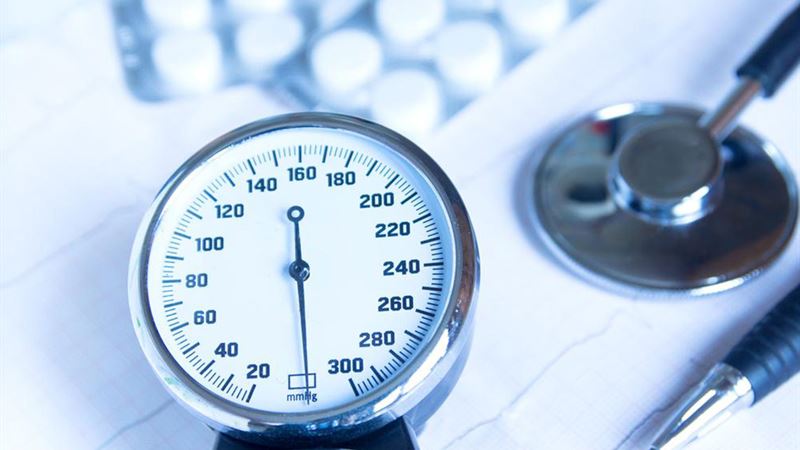
Accurate diagnosis of high blood pressure, known as hypertension, requires thorough medical evaluation. Sometimes, individuals also exhibit unusually low blood pressure, which warrants attention. Certain populations like older adults, African-Americans, and those with underlying health conditions such as chronic kidney disease or diabetes mellitus often have tailored blood pressure targets to better suit their health needs.
Varieties of Blood Pressure Readings
The American Heart Association categorizes blood pressure into five distinct groups, providing a clear framework for understanding individual measurements and their health implications.
- Normal Blood Pressure: Individuals with readings below 120/80 mm Hg are considered to have normal, healthy blood pressure levels. Maintaining such levels is essential for overall cardiovascular wellness and reducing disease risk. Healthy lifestyle choices, including regular physical activity, balanced diet, and stress management, are fundamental to sustain this status.
- Prehypertension: When blood pressure consistently hovers between 120-139 mm Hg systolic or 80-89 mm Hg diastolic, it is termed prehypertension. This stage serves as a warning sign, signaling an increased likelihood of developing hypertension unless preventive measures are adopted. Lifestyle modifications, such as weight management, decreased salt intake, and increased physical activity, are crucial at this stage.
- Hypertension Stage 1: Defined by blood pressure readings ranging from 140-159 mm Hg systolic or 90-99 mm Hg diastolic, Stage 1 hypertension often necessitates a combination of lifestyle changes and medication prescribed by healthcare professionals. Early intervention can prevent progression and reduce the risk of cardiovascular events.
- Hypertension Stage 2: When readings are 160 mm Hg systolic or higher, or 100 mm Hg diastolic or higher, it indicates Stage 2 hypertension. This stage demands more aggressive management, including significant lifestyle adjustments alongside multiple blood pressure medications under medical supervision.
- Hypertensive Crisis: An urgent medical emergency where blood pressure exceeds 180/110 mm Hg. Symptoms such as severe headache, chest pain, vision changes, or weakness may occur, indicating immediate need for emergency care. If such readings are observed, it’s important to reassess after five minutes; persistent elevation requires instant hospitalization to prevent life-threatening complications.
Understanding Blood Pressure Numbers
Blood pressure readings contain two key figures, each indicating different aspects of cardiovascular health.
- Systolic Blood Pressure (the top number): Indicates the pressure exerted by circulating blood on artery walls during the heart's contraction phase. It reflects how forcefully the blood pushes against vessel walls when the heart beats.
- Diastolic Blood Pressure (the bottom number): Represents the pressure in arteries when the heart rests between beats. It provides insight into the resistance the blood is exerting when the heart is at rest.
Significance of Systolic and Diastolic Readings
While both numbers are critical, greater emphasis is often placed on systolic pressure, especially in adults over 50. Elevated systolic pressure is a prominent risk factor for cardiovascular disease because it tends to increase with age due to arterial stiffness caused by atherosclerosis and other age-related vascular changes. Consequently, managing systolic hypertension can significantly reduce the risk of heart attacks and strokes.
Studies reveal that independent increases in diastolic or systolic pressure substantially heighten health risks. For every 20 mm Hg rise in systolic or 10 mm Hg increase in diastolic blood pressure, the chances of ischemic heart disease and stroke double, especially for individuals aged 40 to 89. Monitoring and controlling both figures are paramount to maintaining cardiovascular health.
Why Is Blood Pressure Recorded in Millimeters of Mercury (mm Hg)?
Mercury was historically used in sphygmomanometers, the devices measuring blood pressure, because it provided reliable and precise readings. Although modern devices may replace mercury with aneroid or digital gauges, the measurement still retains the unit 'mm Hg'. This standardization ensures consistency across clinical and research settings worldwide.
Blood Pressure versus Heart Rate
It is essential to distinguish between blood pressure and pulse (heart rate), as they are different indicators of cardiovascular health. Blood pressure reflects the force of blood moving through blood vessels, whereas pulse indicates the number of heartbeats per minute. Both measurements provide valuable insights but do not necessarily change in tandem. An elevated pulse does not automatically mean increased blood pressure, and vice versa.
Healthy blood vessels dilate to facilitate increased blood flow when the heart rate rises, maintaining stable blood pressure levels. Conversely, consistently high blood pressure readings can signal underlying health issues, requiring prompt medical evaluation. Analyzing blood pressure through detailed charts helps identify potential cardiac problems and guides treatment strategies to optimize heart health.