
A Comprehensive Guide to Different Types of Dental Prosthetics and Their Features
Explore an extensive guide on various denture types, including partial, full, implant-supported, and economy options. Learn their features, benefits, and ideal candidates for each type of dental prosthetic. Discover tips for choosing the best solution to restore your smile, confidence, and oral function effectively with professional guidance.
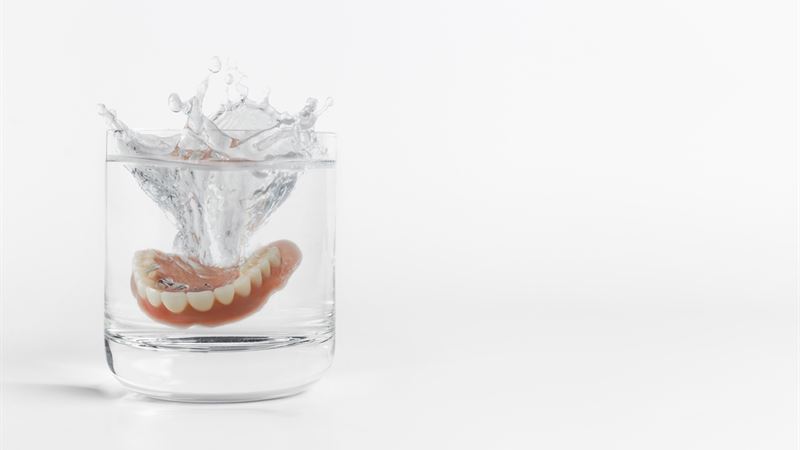
Understanding the varieties of dental prosthetics available is essential for anyone considering tooth replacement options. Dentures, a popular and effective solution, come in numerous types designed to meet specific needs, preferences, and budgets. This guide provides an in-depth overview of the most common dentures, explaining their features, advantages, and ideal candidates.
Timing of Denture Placement
Most dentures are fitted approximately eight to twelve weeks after tooth extraction. This period allows the gums and jawbone to heal, ensuring a more stable and comfortable fit. Early planning can significantly influence the success and function of your dentures, making consultation with a dental professional crucial in the decision-making process.
Partial Dentures
Partial dentures are designed to replace one or more missing teeth in a dental arch while preserving remaining natural teeth. Usually made from acrylic resin, these prosthetics often incorporate metal components for added strength and stability. They are anchored to existing teeth via clasps or precision attachments, providing a natural appearance and functional bite. Partial dentures are ideal for patients who still retain some natural teeth, offering a cost-effective and non-invasive solution for tooth replacement.
Customized Dentures
Customized dentures are tailored specifically to fit a patient's unique dental structure. Crafted from detailed impressions of the mouth, these prostheses offer a natural look and comfortable fit. Although they tend to be more expensive than standard options, their precise fit minimizes discomfort and enhances functionality. Custom dentures are often preferred by those seeking a seamless appearance and optimal comfort, especially in cases requiring aesthetic considerations.
Immediate Dentures
Immediate dentures are fabricated in advance, allowing for placement immediately after tooth extraction. They help maintain facial structure, enable normal speech, and permit the patient to continue wearing dentures during healing. However, since the gums and jawbone undergo shrinkage during healing, these dentures often require adjustments over time. Not everyone qualifies for immediate dentures; suitable candidates are typically those who need extracted teeth replaced promptly and are prepared for potential relining or remaking of their prosthetic.
Implant-Supported Dentures
Implant-supported dentures offer a more stable and secure alternative to traditional dentures. They are anchored to dental implants surgically placed into the jawbone, which act as artificial roots. This integration provides a firm foundation, preventing slipping and enhancing biting force. Implant-supported options can be either fixed or removable, offering improved functionality and comfort. Ideal for patients with sufficient jawbone density, these prosthetics help preserve bone health and provide a natural appearance.
Snap-In Dentures
For those seeking enhanced stability, snap-in dentures are an excellent choice. These prosthetics attach securely via special anchors or locators embedded in the remaining natural teeth or implants. The key feature of snap-in dentures is their ease of removal for cleaning and maintenance, while still providing a firm hold during use. They are highly recommended for patients who require reliable retention and a natural feel, especially in cases where patients have some remaining healthy teeth.
Overdentures
Overdentures are designed to fit over the remaining natural teeth or dental roots, which are preserved and sometimes prepared to support the denture. Supported by dental implants or existing tooth roots, overdentures offer increased stability and help prevent bone loss in the jaw. They are removable, making maintenance easier, and often provide a more natural chewing experience compared to traditional dentures. Overdentures are particularly suitable for patients who want a balance between stability and ease of removal.
Upper Dentures
Upper dentures replace missing teeth in the upper jaw, covering the palate for a secure fit. They help restore facial structure, improve speech, and enhance chewing ability. These prosthetics are crafted to ensure a snug fit over the gums and palate, providing comfortable and aesthetic coverage. Certain conditions, such as extensive upper tooth loss, make upper dentures the optimal choice for restoration.
Economy Dentures
Budget-friendly and accessible, economy dentures provide a basic solution for tooth replacement. Typically made from standard acrylic material, they offer a decent fit but may require adhesives to stay in place. Due to their lower cost, they may not provide the same longevity or comfort as higher-end options. These dentures are suitable for those weighing affordability over perfect fit or aesthetics, and they often serve as temporary solutions while exploring other options.
Choosing the right type of denture depends on individual needs, dental health, budget, and aesthetic preferences. Consulting with a qualified dental professional will help determine the most suitable option to restore function and confidence.