
Comprehensive Guide to Different Types of Dental Prostheses and Replacement Options
Discover a comprehensive guide on various denture types and dental implants, including full, partial, immediate, and custom options. Learn about the benefits, costs, and considerations for each, ensuring you make an informed choice for restoring your smile and oral health. Consult your dentist to find the optimal solution tailored to your needs and budget, and regain confidence with a complete, natural-looking set of teeth. This detailed overview provides valuable insights into affordable and permanent dental restoration methods, emphasizing health and functionality.
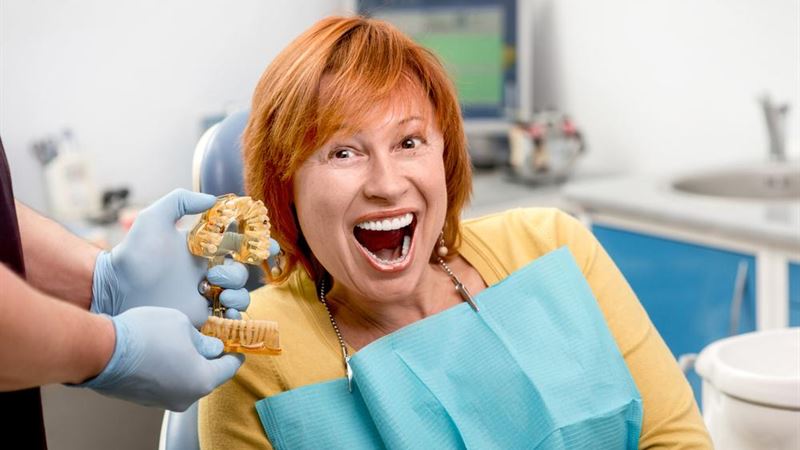
Dental prostheses, commonly known as dentures, are essential solutions for individuals experiencing tooth loss. Crafted primarily from acrylic resin or porcelain, these devices restore not only the function of chewing and speaking but also significantly enhance facial aesthetics. The landscape of dental restoration offers various types of dentures to cater to different needs, preferences, and budgets. From full arch replacements to partial solutions, immediate fittings, and permanent implants—there is a comprehensive range of options available to suit diverse dental health circumstances.
Understanding the intricacies of each denture type, along with their advantages and limitations, empowers patients to make informed decisions in collaboration with their dental care providers. This article delves into the extensive spectrum of tooth replacement options, outlining their features, application scenarios, and what to consider when choosing the right solution for your oral health needs.
Types of Dental Prostheses
When contemplating a tooth replacement system, many factors come into play. These include the extent of tooth loss, bone health, aesthetic preferences, budget constraints, and long-term oral health goals. Dentists and prosthodontists are trained to guide you through the selection process, starting with detailed examinations, oral moldings, and planning sessions. They create customized models to evaluate fit, shape, color, and functionality before crafting the final prosthesis. Once the ideal design is confirmed, the precise dentures are manufactured and adjusted to ensure comfort and natural appearance.
- Complete Dentures (Full Dentures): These are designed to replace an entire arch of missing teeth. The process begins with precise measurements of your jawbone and jaw alignment. Sometimes, a temporary denture is provided immediately after tooth extraction to aid in the healing process and maintain aesthetics. Full dentures consist of a gum-colored acrylic base that holds a set of artificial teeth. Their fit depends on creating a strong suction fit over the gums, ensuring stability during use. Properly fitted full dentures restore efficient chewing, speak clearly, and support facial muscles, preventing sunken appearances.
- Partial Dentures: When some natural teeth remain intact, partial dentures offer a tailored solution. They typically comprise a small number of artificial teeth attached to a gum-colored base and secured with clasps that grip onto existing healthy teeth. Custom fittings involve taking molds and measurements similar to full dentures. Partial dentures not only fill gaps but also prevent remaining teeth from shifting, preserving oral alignment and health.
- Immediate Dentures: This solution is provided right after teeth extraction, offering a temporary yet functional replacement. They are pre-made based on preliminary impressions and measurements taken before the removal of natural teeth. Immediate dentures allow for an aesthetic and functional transition, but they may require adjustments as the tissues heal and shrink over time.
- Conventional Full Dentures: These are the final, permanent dentures made after complete healing of the gums and jawbone post-extraction. They are crafted with precise molds to match the current bone structure, offering an optimal fit and maximizing comfort. Because they are designed to fit the healed tissue, they typically provide better stability and functionality than immediate options.
- Economy or Budget-Friendly Dentures: For those seeking functional yet affordable options, economical dentures provide a practical solution. These are available through various dental suppliers and clinics, often at lower costs, making dental restoration accessible for many. Budget dentures may compromise slightly on material quality or customization but still fulfill essential functions. Financing plans and installment payment options are often available to ease the financial burden.
- Custom-made Dentures: Advances in dental technology allow for creating highly realistic and personalized dentures. Using acrylic, these artificial teeth can be shaped and shaded to match natural teeth closely. For enhanced aesthetics, some options incorporate porcelain or ceramic materials, providing a more lifelike appearance and feel. Custom dentures tend to be more durable and comfortable but come at a higher cost due to the meticulous craftsmanship involved.
Dental Implants as a Permanent Alternative
For individuals seeking a more permanent and natural-feeling solution, dental implants have revolutionized tooth replacement. These involve surgically inserting titanium or ceramic screws into the jawbone, acting as artificial roots. After the implants integrate with the bone through a process called osseointegration, prosthetic teeth are affixed to these anchors. Typically, up to four to five implants per arch provide sufficient support for a fixed prosthesis, offering stability comparable to natural teeth.
Unlike removable dentures, implant-supported prostheses do not require daily removal for cleaning. They are cleaned similarly to natural teeth, maintaining oral hygiene with soft toothbrushes and non-abrasive toothpaste. Although dental implants involve a higher initial investment, usually ranging from $29,000 to $39,000 for the upper jaw and $25,000 to $31,000 for the lower, they eliminate ongoing costs associated with adjustments, relines, or replacements common with traditional removable dentures.
It’s crucial to consult with your dental professional regarding your suitability for implants. The process involves a surgical phase, healing period, and subsequent placement of the final prosthesis. Long-term durability, comfort, and function make implants a preferred choice for many, despite the higher upfront costs.
Financial considerations play a significant role in choosing your dental restoration. Many dental clinics offer financing plans, payment installments, or insurance coverage options to make advanced solutions more accessible. Discussing your budget constraints with your dentist can help tailor a plan that best meets your needs without compromising quality.
Maintaining dental health through timely replacement of missing teeth is essential for overall wellbeing. As teeth are integral to proper nutrition, speech, and facial aesthetics, neglecting this aspect can lead to complications like bone deterioration, shifting teeth, or gum disease. Exploring the wide range of denture options and working closely with your dental care team will help you select the most suitable, comfortable, and cost-effective solution for your unique needs.