
Comprehensive Guide to Selecting the Ideal Water Filtration System for Your Home
Choosing the perfect water filtration system for your home is vital for health, taste, and sustainability. Understanding your water’s contaminants, selecting suitable technologies, evaluating household needs, and considering environmental impact will guide you to an optimal choice. This comprehensive guide emphasizes water testing, certification, maintenance, cost, and eco-friendly options, helping you invest wisely in clean, safe, and delicious drinking water for your family. Making smart decisions today ensures health, taste, and environmental benefits for years to come.
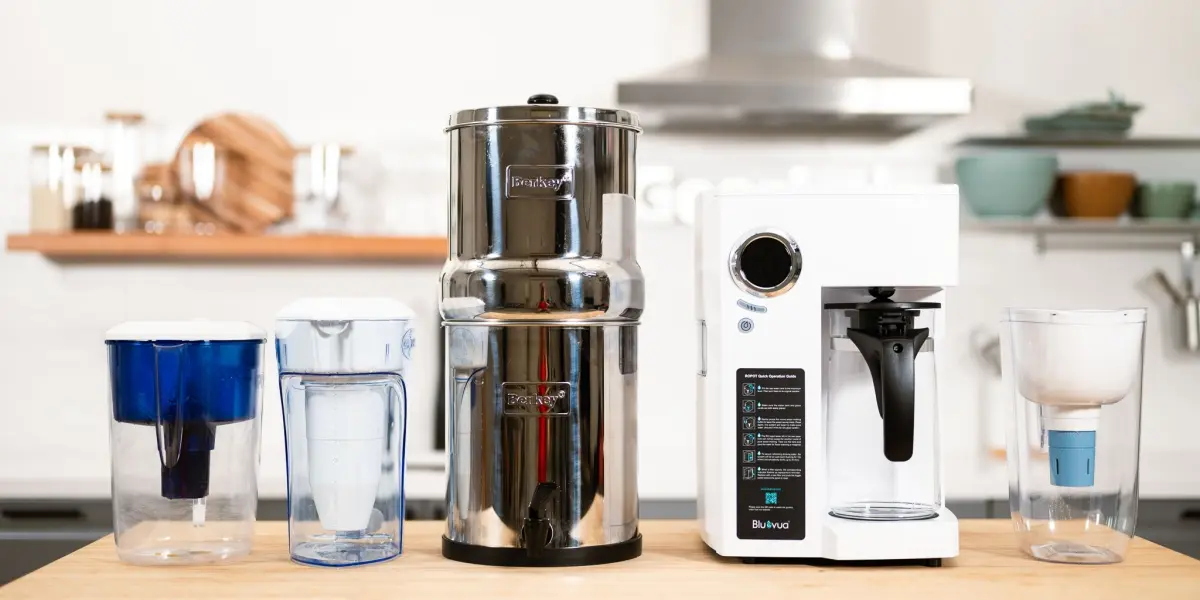
Ensuring access to clean, safe, and tasty drinking water is essential for every household. With a multitude of water filtration options on the market, choosing the right system can seem daunting. Proper selection depends on understanding your water quality, household needs, budget, and environmental considerations. This comprehensive guide provides detailed insights into key factors such as water testing, filtration technologies, capacity, certifications, maintenance, taste improvements, and eco-friendly options. Making an educated choice ensures your family’s health while optimizing costs and environmental impact, leading to a sustainable, safe, and efficient water solution tailored to your household’s needs.
1. Assess Your Water Quality for Informed Decision-Making
Before selecting a water filter, it is vital to understand exactly what contaminants are present in your water supply. This step helps in narrowing down your options and choosing the technology best suited to address issues specific to your water source. You can obtain a detailed water quality report from your local municipal water provider or have your water tested through certified laboratories. Through testing, you'll identify presence of following potential pollutants:
Chlorine: Common in municipal water systems, chlorine impacts water taste and smell, and may cause health concerns if consumed over long periods.
Heavy Metals like Lead: Often leaching from aging plumbing infrastructure, lead is highly toxic, especially to children and pregnant women.
Chemical Pollutants (Pesticides, Herbicides): Rural or agricultural areas may have water contaminated with these chemicals, which pose health risks over prolonged exposure.
Sediments and Particulates: Particles like sand, rust, or dirt can cause turbidity, affect taste, and clog filters over time.
Bacteria and Viruses: Microorganisms that can cause illness; their presence demands microbial disinfection features in filters.
Once you identify the specific contaminants, you can select filters designed to effectively remove them, ensuring your water meets safety standards and tastes great.
2. Selecting the Right Filtration Technology Based on Water Composition
Understanding your water’s composition helps determine which filtration technology will be most effective. Various systems target specific contaminants; here’s a detailed overview of common types:
- Activated Carbon Filters: Exceptional at reducing chlorine, organic compounds, pesticides, and improving taste and odor. These are versatile and available in pitcher, faucet-mounted, and under-sink configurations.
- Reverse Osmosis (RO): A highly effective, comprehensive filtration method capable of removing dissolved salts, heavy metals, and a broad spectrum of pollutants. Best suited for severely contaminated water but may waste some water and strip beneficial minerals.
- Ultraviolet (UV) Filters: Use ultraviolet light to deactivate bacteria, viruses, and other pathogens. Often paired with other filters since UV does not remove sediments or chemicals.
- Ion Exchange Resins: Employed primarily in water softening, these remove calcium and magnesium, preventing limescale buildup in plumbing and appliances.
- Ceramic Filters: Ideal for removing larger particles and some bacteria, but less effective against chemicals or viruses. Usually used as pre-filters or in conjunction with other technologies.
3. Evaluate Household Water Consumption for System Choice
Water usage habits influence the type and capacity of filtration systems suitable for your household. Small households may prefer portable or point-of-use filters, while larger families might benefit from comprehensive, whole-house systems. Consider these options:
- Pitcher Filters: Compact, affordable, and easy to use—ideal for single users or small families primarily interested in drinking and cooking water.
- Under-Sink Units: Installed directly under the kitchen sink, providing filtered water directly at your tap, suitable for medium to large households seeking a permanent filtration solution.
- Whole-House Systems: Connect to your main water line, filtering all the water entering your home for bathing, cleaning, and drinking. These systems are especially advantageous for homes with significant water quality issues or larger families.
4. Verify Certification Standards for Performance Assurance
Choosing certified filters ensures they meet rigorous performance and safety standards. Look for products approved by trusted organizations such as NSF International or the Water Quality Association (WQA). Certifications indicate that the filter has been independently tested for specific contaminant reductions and safety compliance. Key certifications include:
- NSF/ANSI 53: Confirms the filter effectively reduces health-hazardous contaminants like lead, VOCs, and cysts.
- NSF/ANSI 42: Demonstrates improvements in taste and odor by reducing chemicals such as chlorine.
- NSF/ANSI 58: Applicable to reverse osmosis systems, verifying their ability to lower dissolved solids and a broad range of pollutants.
5. Maintenance Considerations and Filter Replacement Intervals
Regular maintenance and timely filter replacement are crucial for optimal performance and water quality. When choosing a system, consider:
- Filter Lifespan: Some filters require replacement every 2-3 months, while others can last up to a year or more. Evaluate your willingness and ability to perform maintenance.
- Ease of Maintenance: Simpler systems with straightforward replacement processes reduce hassle. Professional installation might be necessary for complex setups.
- Cost of Replacements: Long-term expenses include ongoing filter costs—factoring in these costs prevents budget surprises.
6. Prioritizing Taste and Olfactory Improvements
Taste and smell are significant factors influencing water filter choice. If your water has a strong chlorine or sediment taste, activated carbon filters excel at improving flavor and eliminating odors. Reverse osmosis systems can also produce very pure water, though sometimes at the expense of certain minerals that contribute to mouthfeel. Testing and choosing the right filter for taste enhancement can significantly improve your drinking experience.
7. Budget Planning for Long-Term Investment
Water filter costs vary widely—from economical pitcher filters to high-end reverse osmosis units. Budget planning should include upfront purchase price and ongoing expenses for filter replacements and maintenance. Higher initial investments often lead to better filtration performance and lower ongoing costs, providing more value over time. Carefully compare products to find a system that balances affordability, performance, and durability.
8. Eco-Conscious Choices for Sustainable Living
Environmental impact is increasingly important. Choose filtration systems that minimize plastic waste, such as those with reusable or long-lasting filter cartridges. Some filters use eco-friendly materials in manufacturing. Additionally, minimizing waste water—by selecting efficient reverse osmosis units or filters with longer lifespan—helps protect ecosystems and reduces your household’s carbon footprint. Sustainable filtration options contribute to a healthier planet while providing excellent water quality for your family.
Final Thoughts: Making the Optimal Choice for Your Home’s Water Needs
Selecting the most suitable water filtration system involves a careful assessment of your water quality, household water usage, financial considerations, and environmental priorities. Begin by testing your water to identify specific contaminants and then explore technological options tailored to your needs. Certification marks guarantee performance, while maintenance ease and budget compatibility ensure long-term satisfaction. By making informed decisions, you can significantly enhance your household’s water quality, safeguard your health, and contribute to environmental sustainability. Remember, thorough research and planning lead to the best water solution—your family’s health and well-being depend on it.