This comprehensive guide helps homeowners and businesses understand water filtration costs, from initial purchase to long-term maintenance. It covers various systems like point-of-use, whole-house, and portable filters, providing detailed cost analyses and factors influencing expenses. By understanding these aspects, readers can choose the most suitable, budget-friendly water purification solution to ensure safe and clean drinking water for their needs.
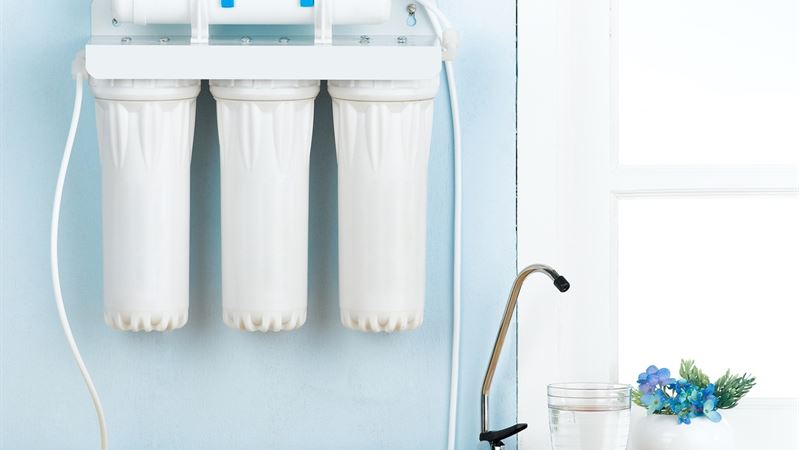
Ensuring access to clean and safe drinking water is fundamental for both households and commercial establishments. Understanding the various types of water filtration systems, their associated costs, installation requirements, and maintenance needs is crucial for making smart investment decisions. This extensive guide aims to shed light on the different options available, helping consumers select the most suitable filtration solutions based on their water quality, usage, and budget considerations. Whether you're seeking a simple pitcher filter or a sophisticated whole-house purification system, this article provides detailed insights to empower your choice-making process.
Types of Water Filtration Technologies and Cost Analysis
There is a broad spectrum of water filtration systems available in today's market, each serving specific purposes and varying significantly in price, complexity, and effectiveness. The right system depends on your water source, contamination levels, and individual needs. Here, we delve into the most prevalent types of water filtration solutions:
1. Point-of-Use (POU) Water Filtration Devices
Point-of-Use systems are installed at specific water outlets to provide purified water directly at the tap, typically in kitchens or beverage areas. They are ideal for consumers who want clean drinking and cooking water without the necessity for whole-house filtration. These systems are cost-effective, easy to install, and require minimal maintenance, making them popular among homeowners and small businesses.
Common Types of POU Filtration Systems:
- Activated Carbon Filters: These are among the most common and effective filters used to eliminate chlorine, sediment, VOCs (volatile organic compounds), and various chemical impurities that affect water taste and odor. They are usually available for countertop or under-sink installation.
- Reverse Osmosis (RO) Units: Known for their thorough purification capabilities, RO systems can reduce a wide range of contaminants including heavy metals like lead, arsenic, fluoride, nitrates, and other dissolved solids. They are suitable for households concerned about serious water quality issues.
Cost Breakdown and Installation Expenses:
- Activated Carbon Filters: Typically priced between $20 and $200, depending on size and features. Installation is straightforward and often DIY-friendly, incorporated into the purchase price.
- Reverse Osmosis Systems: Ranging from $150 to $500 for home models, with professional installation fees varying from $150 to $300, ensuring proper setup and maximum efficiency.
Maintenance and Operational Expenses:
- Activated Carbon Filters: Replacement cartridges generally cost between $20 and $80, needing replacement every 6 to 12 months based on usage.
- Reverse Osmosis Systems: Membranes require replacement approximately every 2 to 3 years, costing around $50 to $150. Pre-filters should be changed every 6 months at roughly $10 to $30 each.
2. Whole-House Water Filtration Solutions
For comprehensive water purification, whole-house systems are installed at the main water entry point, treating all water used within the property. This approach ensures every tap dispenses purified water, ideal for large families or commercial operations aiming to eliminate contaminants across their entire water network. These systems are more robust and often more costly but deliver consistent water quality throughout the property.
Popular Types of Whole-House Filters:
- Sediment Filters: Effective at removing large particles, rust, dirt, and debris, extending the lifespan of more delicate downstream filters.
- Activated Carbon Filters: Reduce chlorine, organic chemicals, and odors, improving overall water taste and safety.
- Water Softeners: Address hardness caused by calcium and magnesium, preventing scale buildup in pipes and appliances.
- Ultraviolet (UV) Purifiers: Neutralize bacteria and viruses through UV light exposure, essential for well-water systems or contaminated sources.
Cost and Installation Insights:
- Sediment Filters: $50 to $300 depending on capacity and brand. Installation costs range between $200 and $500.
- Activated Carbon Filters: $300 to $1,500; professional installation typically costs between $500 and $1,500.
- Water Softeners: Ranging from $400 to $2,500, with installation fees often between $500 and $2,000.
- UV Purification Units: $200 to $1,000, with installation costs from $250 to $800.
Maintenance and Replacement Expenses:
- Sediment and Carbon Filters: Replacement cartridges cost $50 to $150 every 6 months to a year.
- Softener Salt: Replenishment costs about $5 to $10 per month.
- UV Lamps: Need replacement approximately every 1-2 years, at about $50 to $150.
3. Portable Water Filtration Equipment
Portable systems are designed for mobility, emergency usage, camping, outdoor activities, or travel. They include water pitcher filters, personal bottle filters, and chemical purification tablets, offering quick and convenient solutions for clean water on the go.
Typical costs include:
- Water Filtration Pitchers: Priced between $15 and $50, with filter replacements costing $10 to $20 every 1-3 months.
- Portable Bottle Filters: Usually $25 to $100, with replacement filters costing $15 to $30 every 3-6 months.
- Water Purification Tablets: Affordable, around $5 to $15 for a 30-day supply, ideal for emergencies or outdoor adventures.
Operational Costs:
- Replacement filters and tablets are relatively inexpensive but require regular replacement to ensure effectiveness.
Crucial Factors Influencing Water Filtration Expenses
The overall costs of water purification systems depend on a multitude of variables, including the type and complexity of the system, the specific contaminants present in the water, the required capacity, and local installation conditions. Understanding these elements will guide you in choosing an optimal, cost-effective solution.
1. Water Quality and Specific Contaminants
High levels of impurities, such as heavy metals, bacteria, or chemical pollutants, demand more advanced and expensive filtration technologies. For instance, homes with hard water would benefit from softening systems, while areas with bacterial contamination might necessitate UV sterilization. The severity and variety of contaminants directly influence the complexity and expense of your filtration setup.
2. System Capacity and Size
High water demand homes or commercial facilities require larger, more powerful filtration units that can handle increased flow and volume. Whole-house systems generally cost more than point-of-use devices given their extensive capacity and the need for specialized installation.
3. Brand Reputation and System Features
Premium brands often incorporate additional features like smart monitoring, automated filter change alerts, or self-cleaning mechanisms. While these enhancements increase initial costs, they can offer long-term savings and convenience, making them worthwhile investments for many users.
4. Complexity of Installation
While small systems can often be installed DIY-style, complex whole-house units may necessitate professional installation, adding to the initial expenditure. Proper setup ensures system efficiency and longevity, which can save costs in the long run.
Long-Term Financial Considerations for Water Filtration Systems
Beyond the upfront purchase and installation expenses, ongoing maintenance, filter replacements, and operational costs significantly contribute to the total cost of ownership. Periodic replacement of filters, membranes, UV lamps, and salt for softeners can add up over time, so estimating these recurring expenses is essential for budgeting.
For example, reverse osmosis systems typically need membrane changes every 2-3 years, with costs around $50-$150, whereas water softeners require regular salt additions. Understanding these recurring expenses helps in comparing the true cost of different systems.
Cost Comparison Table for Water Filtration Systems
| Type of System | Initial Investment | Installation Expenses | Ongoing Maintenance |
|---|
| Point-of-Use Units | $20 – $500 | $0 – $300 | $20 – $150 annually |
| Whole-House Systems | $50 – $2,500 | $200 – $2,000 | $50 – $300 annually |
| Portable Filters | $5 – $100 | $0 | $10 – $30 annually |
Choosing an appropriate water filtration setup involves evaluating your water source, understanding specific contaminant levels, your household or business water needs, and budget constraints. Starting with water testing is highly recommended to identify the exact impurities present, enabling you to select the most targeted and cost-effective system. Carefully considering initial costs, installation, maintenance, and long-term expenses will ensure you invest in a solution that provides safe, clean water reliably and affordably.
For accurate assessment, consulting water testing laboratories or professionals can provide detailed insights into your water quality. Based on the results, you can opt for a tailored filtration system that offers optimal purification without unnecessary expenditure. Remember, investing in clean water is a vital step toward health, safety, and quality of life.
References:
- EPA Water Quality Standards
- Consumer Reports: Best Water Filter Reviews
- National Sanitation Foundation (NSF)
