
The Essential Role of Landscape Design in Enhancing Your Garden's Aesthetics and Functionality
Discover how professional landscape design enhances your garden’s beauty and usability. From Mediterranean themes to desert-inspired styles, learn the importance of tailored outdoor planning that boosts aesthetics, property value, and sustainability. Find tips for creating personalized gardens that reflect your taste while complementing your environment. Whether formal or natural, expert landscape architecture transforms your outdoors into a peaceful, functional retreat. Elevate your garden’s appeal with innovative ideas, practical hardscaping, and eco-friendly practices for a truly inspiring outdoor space.
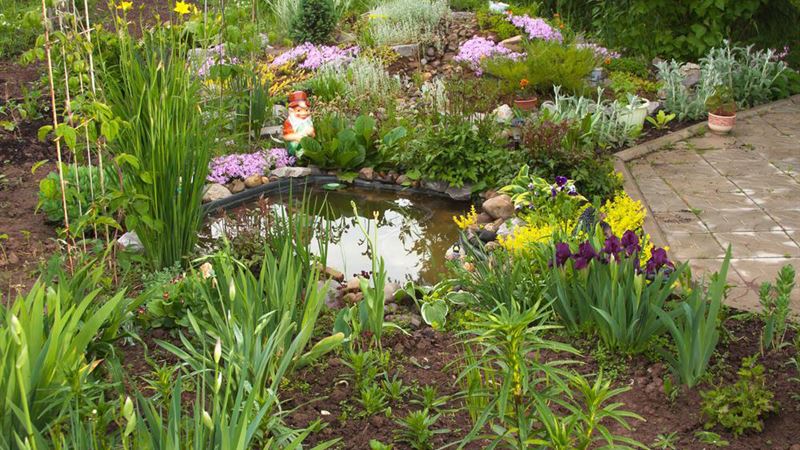
Landscape architecture is a sophisticated art that combines creativity, craftsmanship, and scientific principles to transform outdoor spaces into beautiful, functional environments. Its primary goal is to create a harmonious balance between nature and human activity, ensuring that gardens and outdoor areas are both visually appealing and practical for daily use. Effective landscape design not only enhances the visual charm but also optimizes land utilization, helping property owners make the most of their available space without wastage or neglect.
The process of landscape designing considers many factors such as geographic location, climate, cultural influences, and personal preferences. These elements influence the overall style and approach, leading to various distinctive landscape themes tailored to suit specific regions or individual tastes. Whether you aim for a serene Mediterranean garden or a sturdy, arid Southwest-inspired landscape, thoughtful planning can turn your outdoor space into a haven of beauty and functionality.
Different styles of landscape design have gained popularity around the world, each offering unique characteristics and appeal. Here, we explore some of the most prevalent styles that inspire homeowners and landscape architects globally.
1. Mediterranean Landscape Style — Named after the regions bordering the Mediterranean Sea, this design theme evokes a sense of tranquility and warmth. It incorporates native plants such as palm trees, olive trees, lavender, and aromatic herbs. The colors typically reflect earthy tones—terracotta, sandy beige, and lush greens. Hardscape elements like terracotta pots, stone pathways, and archways further enhance this theme’s authentic charm, creating an immersive experience reminiscent of paradise-like coastlines.
2. Southwestern and Arid Region Gardens — This style is especially popular in dry climates like Arizona and parts of Mexico. It emphasizes hardscape features like adobe walls, gravel pathways, and xeriscape plants—succulents, cacti, and drought-tolerant shrubs. Functionality and water conservation are central to this design, which often features terraced terraces, decorative boulders, and sun-baked hues that blend seamlessly with the surrounding desert terrain. This style is increasingly adopted beyond its traditional regions due to its low-maintenance nature and striking visual appeal.
3. Formal Gardens — Characterized by symmetry, geometric shapes, and precise lines, formal gardens are meticulously maintained to uphold their structured appearance. Such gardens often feature neatly clipped hedges, symmetrical flower beds, stone balustrades, and fountain installations. They exude elegance and order, requiring regular care, pruning, and shaping to preserve their structured aesthetic. This style is ideal for those seeking a sophisticated outdoor space for entertainment or relaxation.
While these popular styles are rooted in traditional and regional influences, modern landscape design allows for flexibility and personalization. Many homeowners choose to blend elements from various styles or add unique features to make their gardens stand out. Personal touches, unusual plant combinations, and innovative hardscape elements can turn a standard garden into a bespoke masterpiece that reflects the owner’s personality and history.
The significance of landscape design extends beyond aesthetic appeal. Well-planned gardens can positively impact mental health by providing peaceful retreats, promote outdoor social activities, and even enhance property values. Whether you prefer a formal, Mediterranean, desert, or a personalized blend, proper planning ensures your outdoor space will remain inviting, sustainable, and enjoyable for years to come. Embracing innovative techniques and environmentally friendly practices can also make your garden more resilient and eco-conscious.
In conclusion, investing in professional landscape design can transform your outdoor area from a simple yard to a captivating extension of your home. With a careful combination of plant selection, hardscaping, and cultural influences, your garden can become a sanctuary of beauty and peace, perfectly tailored to your lifestyle and ecological setting. Regardless of the style you choose, the core principle remains: a thoughtfully designed landscape enriches your living experience and adds lasting value to your property.