
Revolutionizing Outdoor Space Creation: Unlocking the Potential of Advanced Landscape Design Software
Discover how advanced landscape design software is transforming outdoor planning. From realistic 3D visualizations to sustainable features, learn how these tools enhance creativity, accuracy, and efficiency in creating stunning outdoor spaces, whether for personal gardens or large-scale projects. Explore the latest trends like AR integration and AI-assisted design that promise to revolutionize outdoor aesthetics and functionality in the coming years.
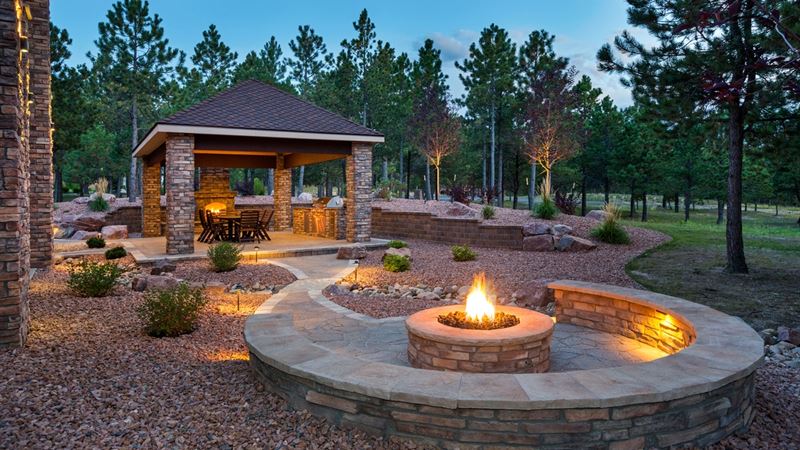
Advantages of Utilizing Advanced Landscape Design Software
1. Enhanced Visualization and Strategic Planning
One of the primary benefits of modern landscape design software is the ability to visualize concepts vividly. Through 3D modeling and real-time rendering, users can virtually explore their outdoor spaces from multiple angles, enabling better decision-making. Homeowners planning garden renovations can see exactly how different elements will look and feel, while professionals can provide clients with extremely accurate previews of the proposed landscape. These visuals help to identify possible issues early on, facilitating adjustments during the planning phase rather than after implementation, saving both time and money.
2. Precise Customization and Detailed Planning
Advanced landscape design programs offer extensive customization options. Users can select specific plant species suited to local climates, tailor structural elements such as patios, pathways, and water features, and experiment with various materials and textures. Such flexibility allows for meticulous planning down to the smallest detail, ensuring that the final outdoor space is not only aesthetically pleasing but also functional and sustainable. This customization capability is essential for achieving a seamless integration of design elements that match personal style and environmental conditions.
3. Cost-Effectiveness and Budget Management
Pre-planning with sophisticated design software helps significantly reduce costly mistakes. By accurately estimating the quantity and cost of materials beforehand, users can create more precise budgets and avoid surprises during construction. Furthermore, identifying potential design flaws early allows for revisions before any physical work begins, decreasing the likelihood of expensive modifications or rework later on. This proactive approach to planning makes outdoor projects more affordable and predictable.
4. Seamless Collaboration and Clear Communication
For landscape professionals and designers, these tools are invaluable in fostering effective communication with clients and team members. Interactive 3D models, detailed plans, and virtual walkthroughs help clients understand the design intent, leading to quicker approvals and reduced misunderstandings. Additionally, collaborative features like shared workspaces, annotations, and change tracking streamline team workflows, enhancing productivity and ensuring all stakeholders are aligned throughout the project's progression.
5. Accelerated Project Timelines
The advanced features of modern landscape software significantly improve planning speed. Templates, drag-and-drop interfaces, and pre-designed assets allow users to assemble comprehensive designs rapidly, drastically reducing the time needed compared to traditional manual drafting. Faster turnaround times enable projects to move from conception to completion more swiftly, allowing landscape businesses to take on more clients and homeowners to realize their outdoor goals faster.
Leading Landscape Design Software in the Market
1. SketchUp
SketchUp stands out for its intuitive interface and powerful 3D modeling capabilities. Initially favored by architects, it has become popular among landscape designers due to its extensive libraries of plants, building materials, and structural components. Its user-friendly approach makes it accessible for beginners while providing advanced tools for seasoned professionals, enabling the creation of precise and visually stunning outdoor designs.
2. AutoCAD
AutoCAD remains a benchmark for top-tier design software. Known for its high level of accuracy and detailed drafting features, it is often used by landscape architects for complex, large-scale projects. Its strong integration with other design tools and capability to produce detailed drawings helps professionals deliver projects with exact specifications, facilitating smooth coordination and execution.
3. Realtime Landscaping Architect
This program is tailored explicitly for landscape professionals. It features an extensive library of real-world plants, furniture, and decorative elements, along with tools for 3D walkthroughs and photorealistic rendering. Its ability to produce highly realistic simulations makes it ideal for clients who require precise visualization of their outdoor spaces before implementation.
4. Garden Planner
Focused on garden design, Garden Planner offers an easy-to-use, drag-and-drop interface suitable for hobbyists and DIY enthusiasts. Its extensive plant database and flexible layout options make it simple to design and modify garden spaces, whether for small backyard projects or larger gardening endeavors.
5. Lands Design
This is a specialized plugin for Rhino and AutoCAD aimed at landscape architects. Lands Design features parametric modeling capabilities that allow for intricate detailing and adjustments. It suits large and complex projects needing detailed planning, making it a preferred choice among professional landscape architects handling extensive sites requiring meticulous design features.
Emerging Trends in Landscape Design Software
As technological innovations evolve, landscape design software continues to incorporate new features to enhance user experience and project outcomes. Here are some notable trends shaping the future of this industry:
1. Augmented Reality (AR) Integration
AR is revolutionizing design visualization by allowing users to overlay digital models onto their actual outdoor environments. This facilitates real-time, immersive previews, enabling clients and designers to see exactly how a space will look before any physical changes are made. AR integration enhances accuracy, engagement, and decision-making during the planning phase.
2. Focus on Eco-Friendly and Sustainable Design
With growing environmental awareness, future landscape design software will incorporate features promoting sustainability. These may include recommendations for native plants, eco-conscious materials, water-saving irrigation systems, and energy-efficient lighting options to ensure environmentally responsible outdoor spaces.
3. Improved Collaborative Platforms
The trend toward remote and team-based work is pushing for more sophisticated collaboration tools. Expect to see real-time multi-user editing, annotation capabilities, and integrated communication channels, making it easier for teams to coordinate designs, share ideas, and track progress regardless of geographical barriers.
4. Artificial Intelligence and Machine Learning
AI and machine learning are poised to become integral to landscape design software. These technologies can refine design suggestions based on current trends, optimize layouts for better space utilization, and automate routine tasks. Such features will help designers craft innovative, sustainable, and cost-effective outdoor solutions more efficiently.
In conclusion, landscape design software has profoundly expanded the possibilities for creating beautiful, functional outdoor environments. With ongoing technological advancements, these tools will become even more powerful, intuitive, and integral to the planning and execution of outdoor projects. Whether for personal garden projects or professional landscaping ventures, harnessing these innovative solutions will enable users to realize their visions precisely and efficiently, transforming outdoor spaces into stunning, sustainable, and highly functional areas that enhance quality of life and environmental harmony.
Embracing modern landscape design technology allows for better planning, more creative freedom, and more impactful results. By investing in and mastering these software tools, users can achieve exceptional outdoor spaces that stand the test of time and elevate their property’s appeal.