
Essential Guide to Proper Car Tire Maintenance for Longevity and Safety
Proper car tire maintenance is essential for safety and longevity. Regular checks, correct inflation, and proper storage are key to keeping tires in top shape. This guide offers comprehensive tips to maintain your tires effectively, reduce costs, and enhance vehicle performance on the road. Learn how to inspect, rotate, store, and care for your tires to ensure they last longer and provide safe driving conditions at all times.
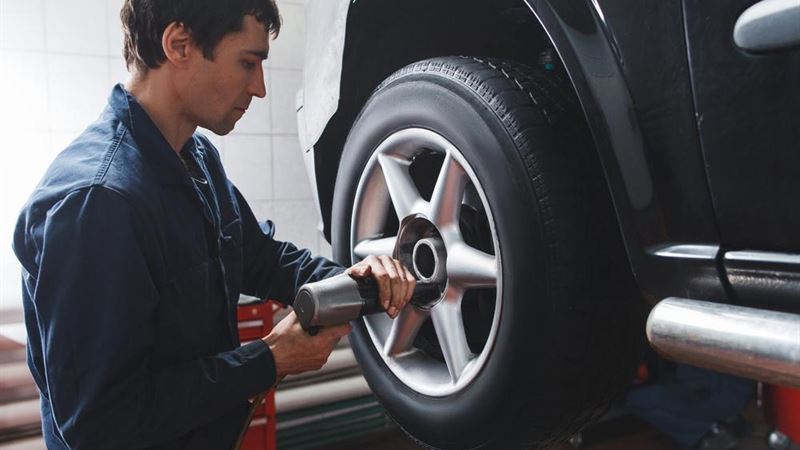
Maintaining your car tires effectively is crucial for ensuring safety, improving fuel efficiency, and extending their lifespan. Proper tire care involves regular inspections, correct inflation pressure, appropriate storage, and timely replacements when needed. Neglecting tire maintenance can lead to uneven wear, increased risk of accidents, and higher overall vehicle operating costs. This comprehensive guide provides detailed steps and best practices to help vehicle owners understand how to care for their tires properly, thereby enhancing vehicle performance and safety on the road.
One common mistake owners make is neglecting to check tire pressure regularly. Both overinflated and underinflated tires can cause premature wear and reduce handling capabilities. Overinflated tires tend to wear out centrally, compromising traction, while underinflated tires wear on the edges, increasing the risk of blowouts. Maintaining optimal pressure as per the manufacturer's recommendations is essential for maximizing tire life and ensuring safety. Regular checks can also help identify slow leaks or damages early, preventing unforeseen breakdowns.
Understanding the importance of tire rotation is another key aspect of maintenance. Rotating tires periodically ensures even wear across all four tires, which helps maintain consistent handling and prolongs their usable life. Generally, rotating tires every 5,000 to 8,000 miles is recommended, but it’s best to consult your owner’s manual for specific guidance. When rotating tires, remember their original positions to restore older tires back to their respective locations, which helps balance wear patterns properly.
Proper storage practices are vital when tires are removed or not in use for extended periods. Tires should be stored in a cool, dry place away from direct sunlight, sources of heat, and exposure to ozone which can degrade the rubber. Keep tires upright or stacked vertically, and avoid placing heavy objects on top. Clean tires thoroughly with water before storage to remove dirt and debris that could cause corrosion or deterioration over time. Correct storage practices can significantly extend the life of your tires, ensuring they remain safe and reliable for future use.
Routine visual inspections are essential for detecting early signs of damage or uneven wear. Look for cracks, cuts, punctures, or embedded objects that could compromise tire integrity. Uneven wear patterns may indicate alignment issues, suspension problems, or improper inflation. If detected early, these issues can be addressed before they escalate into costly repairs or replacements. Additionally, regularly checking the tread depth ensures that your tires meet safety standards; replace tires when tread wear reaches the minimum legal limit.
Before embarking on long journeys, a comprehensive check of tire condition is highly recommended. Examine the tread for signs of excessive wear and ensure all tires are inflated to the correct pressure. Also, verify that the spare tire is in good condition and properly inflated. If you notice any irregularities or suspect damage, seek assistance from professional technicians. Staying proactive about tire health can prevent roadside emergencies, improve mileage, and guarantee a safer driving experience.
Incorporating these maintenance practices into your routine can save you substantial costs on repairs, extend the lifespan of your tires, and enhance your vehicle’s overall safety. Regular care not only protects you and your passengers but also contributes to a smoother, more efficient driving experience. Remember, well-maintained tires are the cornerstone of safe driving—invest time and effort into their upkeep for peace of mind on every trip.