
Comprehensive Guide to Seasonal Tire Care and Protection Strategies
This comprehensive guide offers essential tips on maintaining and protecting your tires through seasonal changes. Learn about proper storage, inspection routines, and safety precautions to enhance your vehicle’s performance, extend tire lifespan, and ensure safety during different weather conditions year-round. Stay proactive with tire maintenance to enjoy a smoother, safer driving experience regardless of the season.
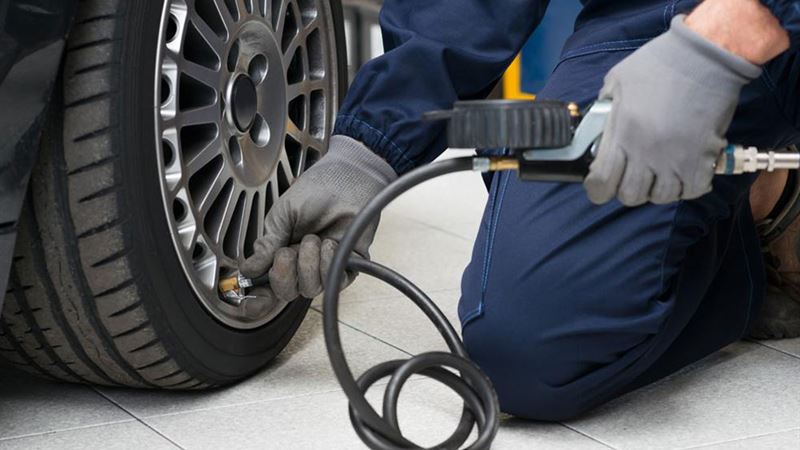
Proper tire maintenance is essential for ensuring vehicle safety, optimizing performance, and prolonging tire lifespan throughout the year. Different seasonal changes pose unique challenges that can affect your tires' condition. From cold winter temperatures to rainy seasons, wind, and summer heat, understanding how each factor impacts your tires will help you take proactive measures. This extensive guide covers everything you need to know about tire care during seasonal transitions, including storage tips, inspection routines, and safety precautions. Equip yourself with the right tools and knowledge to keep your tires in top condition year-round.
Temperature Fluctuations and Tire Pressure Management
As the seasons change, so does the ambient temperature, which directly influences tire pressure. Cold weather causes the air inside your tires to contract, leading to decreased pressure. Conversely, warmer temperatures cause expansion, increasing pressure levels. A common rule of thumb is that tire pressure drops or rises roughly 1-2 PSI for every 10-degree Celsius change in temperature. Maintaining optimal tire pressure is crucial for fuel efficiency, tire wear, and overall vehicle safety. It’s recommended to invest in a reliable tire pressure gauge and check your tires at least once a month, especially during seasonal transitions. Properly inflated tires ensure better grip, reduced wear, and safer driving conditions.
Proper Tire Storage Tips for Off-Season Tires
When switching from seasonal tire use to storage, proper storage practices are vital to prevent deterioration. Store tires in a cool, dry, and dark environment away from sources of ozone, solvents, oils, and grease, which can accelerate rubber aging. The storage area should have stable temperature and humidity levels to avoid cracking and dry rot. It’s best to stack tires horizontally if they are mounted, or stand them upright if they are unmounted, to prevent deformation. Regularly inspect stored tires for signs of damage, such as cracks, bulges, or embedded objects. Clean tires thoroughly before storage to remove dirt and debris, then apply a rubber conditioner or protectant to preserve flexibility. Proper storage significantly extends the life of tires and maintains their performance when put back into use.
Seasonal Considerations and Tire Maintenance
Each season introduces specific considerations for tire safety and longevity. You must be vigilant to identify early signs of tire deterioration, including uneven tread wear, punctures, cracks, or bulges. Seasonal changes often bring weather conditions that can negatively impact tire surfaces, such as moisture, UV rays, and temperature extremes. Regular inspections and maintenance routines help catch issues before they become major problems.
for example, during rainy seasons, water can cause corrosion and accelerate oxidation, weakening both tires and vehicle parts. Keep your vehicle clean, and consider applying waterproof wax or sealants to protect against water penetration. During windy days, high gusts can influence driving stability. Reduce speed and maintain firm control by gripping the wheel tightly. Also, perform quick check-ups for tire pressure, especially after significant wind or temperature shifts. In summer, extreme heat causes tire rubber to soften, increasing the risk of blowouts; ensure your tires are properly inflated and free from damage before enduring long stretches of high temperatures.
Effective Tire Care During Summer and Storage Tips
When summer arrives, and it’s time to store tires for the off-season, choose cool, dark, and moisture-free locations. Exposure to direct sunlight and high humidity can accelerate rubber aging and cause premature tire deterioration. If tires are stored properly, their lifespan can be significantly extended. Use tire covers or keep them inside sealed plastic bags with air removed to prevent ozone exposure and moisture accumulation. Before storing, clean tires thoroughly with soap and water, then dry completely. Check for any damages or signs of aging. Proper winter or summer storage not only preserves the rubber compounds but also maintains tire shape and tread integrity.
Final Recommendations for Year-Round Tire Safety
To maximize safety and performance throughout the year, develop a regular tire maintenance routine. This includes checking tire pressures monthly, inspecting for damage, proper storage, and ensuring alignment and balance. Always replace tires when tread wear reaches the minimum legal limit or if significant damage is detected. Remember, well-maintained tires improve handling, reduce fuel consumption, and prevent accidents. Particularly during seasonal transitions, staying vigilant about tire condition and adapting your maintenance to prevailing weather conditions will ensure safe and efficient driving experiences no matter the time of year.
In conclusion, proactive tire care aligned with seasonal changes is essential for vehicle safety, longevity, and performance. By following these comprehensive tips, you'll be able to navigate winter chills, rainy days, windstorms, and summer heat confidently, knowing your tires are optimized for each season. Prioritize regular inspection, proper storage, and pressure management to benefit from safer driving, better fuel economy, and longer-lasting tires in all seasons.
Temperature Fluctuations and Tire Pressure Management
As the seasons change, so does the ambient temperature, which directly influences tire pressure. Cold weather causes the air inside your tires to contract, leading to decreased pressure. Conversely, warmer temperatures cause expansion, increasing pressure levels. A common rule of thumb is that tire pressure drops or rises roughly 1-2 PSI for every 10-degree Celsius change in temperature. Maintaining optimal tire pressure is crucial for fuel efficiency, tire wear, and overall vehicle safety. It’s recommended to invest in a reliable tire pressure gauge and check your tires at least once a month, especially during seasonal transitions. Properly inflated tires ensure better grip, reduced wear, and safer driving conditions.
Proper Tire Storage Tips for Off-Season Tires
When switching from seasonal tire use to storage, proper storage practices are vital to prevent deterioration. Store tires in a cool, dry, and dark environment away from sources of ozone, solvents, oils, and grease, which can accelerate rubber aging. The storage area should have stable temperature and humidity levels to avoid cracking and dry rot. It’s best to stack tires horizontally if they are mounted, or stand them upright if they are unmounted, to prevent deformation. Regularly inspect stored tires for signs of damage, such as cracks, bulges, or embedded objects. Clean tires thoroughly before storage to remove dirt and debris, then apply a rubber conditioner or protectant to preserve flexibility. Proper storage significantly extends the life of tires and maintains their performance when put back into use.
Seasonal Considerations and Tire Maintenance
Each season introduces specific considerations for tire safety and longevity. You must be vigilant to identify early signs of tire deterioration, including uneven tread wear, punctures, cracks, or bulges. Seasonal changes often bring weather conditions that can negatively impact tire surfaces, such as moisture, UV rays, and temperature extremes. Regular inspections and maintenance routines help catch issues before they become major problems.
for example, during rainy seasons, water can cause corrosion and accelerate oxidation, weakening both tires and vehicle parts. Keep your vehicle clean, and consider applying waterproof wax or sealants to protect against water penetration. During windy days, high gusts can influence driving stability. Reduce speed and maintain firm control by gripping the wheel tightly. Also, perform quick check-ups for tire pressure, especially after significant wind or temperature shifts. In summer, extreme heat causes tire rubber to soften, increasing the risk of blowouts; ensure your tires are properly inflated and free from damage before enduring long stretches of high temperatures.
Effective Tire Care During Summer and Storage Tips
When summer arrives, and it’s time to store tires for the off-season, choose cool, dark, and moisture-free locations. Exposure to direct sunlight and high humidity can accelerate rubber aging and cause premature tire deterioration. If tires are stored properly, their lifespan can be significantly extended. Use tire covers or keep them inside sealed plastic bags with air removed to prevent ozone exposure and moisture accumulation. Before storing, clean tires thoroughly with soap and water, then dry completely. Check for any damages or signs of aging. Proper winter or summer storage not only preserves the rubber compounds but also maintains tire shape and tread integrity.
Final Recommendations for Year-Round Tire Safety
To maximize safety and performance throughout the year, develop a regular tire maintenance routine. This includes checking tire pressures monthly, inspecting for damage, proper storage, and ensuring alignment and balance. Always replace tires when tread wear reaches the minimum legal limit or if significant damage is detected. Remember, well-maintained tires improve handling, reduce fuel consumption, and prevent accidents. Particularly during seasonal transitions, staying vigilant about tire condition and adapting your maintenance to prevailing weather conditions will ensure safe and efficient driving experiences no matter the time of year.
In conclusion, proactive tire care aligned with seasonal changes is essential for vehicle safety, longevity, and performance. By following these comprehensive tips, you'll be able to navigate winter chills, rainy days, windstorms, and summer heat confidently, knowing your tires are optimized for each season. Prioritize regular inspection, proper storage, and pressure management to benefit from safer driving, better fuel economy, and longer-lasting tires in all seasons.