
Comprehensive Guide to Pneumococcal Pneumonia Vaccination: Essential Information You Need
This comprehensive guide explains everything about pneumococcal pneumonia vaccination, including who should receive it, how it works, the schedule, and potential side effects. Protect yourself and high-risk populations from severe bacterial pneumonia by understanding the importance of vaccination, safety measures, and medical recommendations. Learn about the two primary vaccines—PCV13 and PPSV23—and discover how they contribute to reducing pneumonia-related health risks effectively. Stay informed to make educated decisions for your health and well-being.
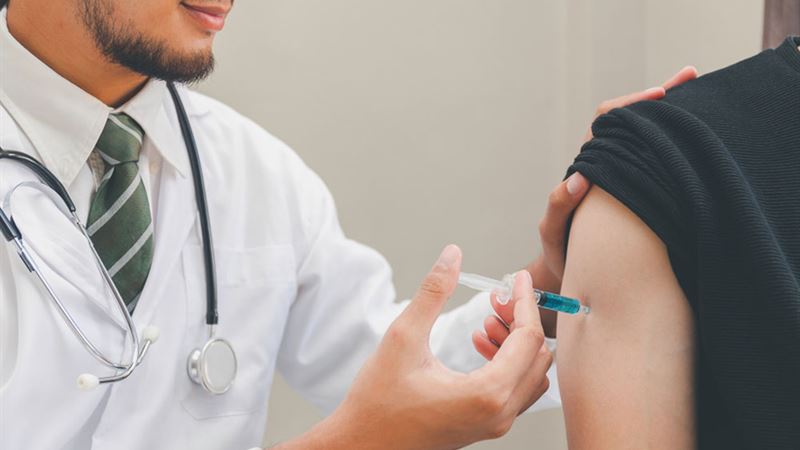
- Understanding the importance of pneumococcal vaccination for vulnerable populations is crucial for preventing severe pneumonia causes.
- Identifying who should receive the vaccine helps protect high-risk individuals from potentially life-threatening bacterial infections.
- The two main types of pneumococcal vaccines—PCV13 and PPSV23—offer comprehensive protection against numerous bacterial strains.
- Knowing the administration schedule and potential side effects ensures safe and effective vaccination practices.
- Discussing vaccination options with healthcare providers guarantees personalized medical advice based on individual health conditions.
Who Should Receive the Pneumococcal Vaccine?
Administering the pneumococcal vaccine is particularly vital for individuals with compromised immune systems. People living with HIV/AIDS, undergoing chemotherapy, or those who have received organ transplants are more susceptible to severe pneumococcal pneumonia caused by Streptococcus pneumoniae bacteria. These populations must prioritize vaccination as part of their preventive healthcare measures. Additionally, individuals with chronic medical conditions like heart disease, diabetes, and chronic lung illnesses should consider vaccination to reduce their risk of bacterial pneumonia.
Beyond immunocompromised groups, certain lifestyle and health aspects increase vulnerability. Smokers and individuals who consume excessive alcohol are at higher risk since these habits weaken the immune response, making it easier for bacteria to invade and cause infection. Patients recovering from major surgeries or battling significant illnesses should also consult their healthcare providers about vaccination to aid their recovery and prevent secondary pneumonia infections.
It’s important to note that healthy adults aged 18 to 65 without underlying health issues generally do not require this vaccine. However, those with allergies to vaccine components should avoid vaccination unless directed otherwise by a healthcare professional. Also, vaccination timing should be tailored to individual health status and administered under medical supervision.
How the Pneumococcal Vaccine Functions
There are two primary pneumococcal vaccines available—PCV13 (Pneumococcal Conjugate Vaccine 13-valent) and PPSV23 (Pneumococcal Polysaccharide Vaccine 23-valent). PCV13 stimulates a strong immune response by targeting 13 specific strains of pneumococcal bacteria, making it especially effective in young children, older adults, and immunocompromised individuals. PPSV23, on the other hand, covers a broader spectrum of 23 strains, providing an additional layer of protection for high-risk groups.
The typical vaccination schedule involves administering the PCV13 first to establish a baseline immune defense. Depending on individual risk factors, the PPSV23 can follow after approximately one year to ensure maximum coverage against multiple bacterial strains. In some cases, repeated doses are recommended to maintain immunity, especially for those with persistent risk factors.
Understanding the vaccination sequence and timing enhances its effectiveness and helps prevent breakthrough infections.
Potential Risks and Side Effects
Vaccines, while safe and effective, can sometimes cause mild side effects. The pneumococcal vaccine contains components derived from weakened or altered bacteria, which may lead to temporary symptoms. Common adverse reactions include mild fever, soreness, redness, or swelling at the injection site, and irritability or fussiness, especially in children.
Most side effects are mild and resolve within a few days, with less than 1% of recipients experiencing allergic reactions or more serious adverse events. It is essential for individuals with known allergies to vaccine ingredients to inform their healthcare provider prior to vaccination. Additionally, monitoring post-vaccination symptoms allows prompt management of any unexpected reactions.
Overall, the benefits of pneumococcal vaccination far outweigh the minimal risks involved, significantly reducing the incidence of severe pneumonia caused by Streptococcus pneumoniae bacteria.
Final Thoughts
Vaccination remains one of the most effective strategies for preventing pneumococcal pneumonia, especially in vulnerable populations. Ensuring that high-risk groups receive appropriate immunizations can dramatically decrease hospitalizations, complications, and mortality linked to bacterial pneumonia. Always consult your healthcare professional to determine the most suitable vaccination plan tailored to your health needs and lifestyle.
In conclusion, being informed about pneumococcal vaccines—how they work, who should get them, and their safety—is essential for maintaining good health and preventing serious infections. Stay proactive, schedule regular health checkups, and follow medical advice to safeguard yourself and your loved ones from pneumococcal pneumonia.