
Enhance Your Workspace with Advanced Computer Accessories and Peripherals
Discover how to optimize your workspace by selecting the perfect computer accessories and peripherals. This comprehensive guide covers types, functions, and smart selection tips to improve efficiency and performance. Learn about input/output devices, business peripherals, and key factors to consider when upgrading or building your computer setup. Enhance your digital productivity with expert advice on choosing compatible, budget-friendly, and future-proof peripherals suitable for personal, professional, or industrial use. Create a more efficient and comfortable workspace today.
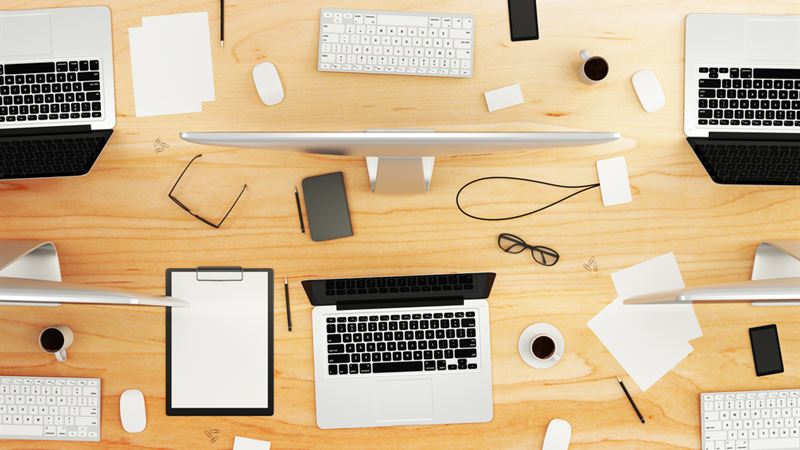
In today's digital age, maximizing productivity and efficiency relies heavily on the right computer accessories and peripherals. These supplementary devices elevate your computing experience, providing enhanced functionality, convenience, and performance without altering the core system components. Proper selection of peripherals can significantly streamline your workflow, whether for personal use, professional tasks, or industrial applications. This comprehensive guide explores the different types of computer peripherals, their functions, and tips for choosing the best accessories to meet your specific needs.
Computer accessories and peripherals can be broadly categorized into two main groups: essential standard components and supplementary external devices. Understanding these categories helps users make informed choices that optimize their setup and budget.
Standard Computer Accessories and Peripherals
This category comprises the basic components necessary for the operation of your computer. They are integral to your device's functionality and often come pre-installed or are easily integrated. Examples include keyboards, mice, internal memory modules like RAM, and storage devices like ROM. These are vital for the computer's basic operation and performance optimization.
Additional Computer Accessories and Peripherals
External devices that expand your computer's capabilities fall under this group. These peripherals are typically connected via USB, HDMI, or other ports, providing added functionalities such as printing, scanning, multimedia output, and more. Common examples include printers, scanners, projectors, audio speakers, external hard drives, and webcams.
Major Types of Computer Accessories and Peripherals
Peripherals are classified based on their primary functions and how they interact with the computer system. Recognizing these types is essential for assembling an efficient workstation tailored to your needs. The main types include:
Input Devices
Input peripherals facilitate the transfer of data or commands into the computer. These devices allow users to interact with the system seamlessly. For example, keyboards enable typing commands and text, while mice and scanners convert physical inputs into digital data that the computer can process. These devices are crucial for tasks like data entry, graphic design, and gaming. Key examples include:
- Keyboard: The primary input device for text and command inputs.
- Computer Mouse: Used for navigating and selecting options on the screen.
- Scanners: Convert physical documents and images into digital format.
Output Devices
Output peripherals are responsible for presenting the results of the computer's processing to the user. They convert digital data into understandable formats such as visuals, sounds, or printed material. Display screens and speakers are classic examples. Whether viewing a document, watching a video, or listening to music, these devices make the content accessible. Notable examples include:
- Computer Monitors/Displays: Present visual output from the system.
- Speakers: Deliver audio output for multimedia or notifications.
- Printers: Produce physical copies of digital documents or images.
- Webcams: Capture video input used for video conferencing or streaming.
Input-Output Devices
These peripherals are versatile, serving as both input and output devices depending on the context. They facilitate data transfer to and from the computer without needing multiple devices. Examples include external storage units like USB drives, external hard drives, and disc drives such as DVDs and CDs. They are essential for data backup, migration, and sharing. Common input-output peripherals consist of:
- USB Flash Drives: Portable storage for data transfer and backup.
- External Hard Drives: Larger-capacity devices for primary data storage.
- Optical Drives (DVD/CD): Used for reading/writing discs.
Business and Industrial Peripherals
Designed primarily for professional or industrial environments, these peripherals facilitate business operations, presentations, and manufacturing processes. They are often specialized and less essential for casual or home use. Examples include projectors for presentations, high-speed laser printers for rapid document printing, photocopiers, and graphic drawing tablets used in design studios. These peripherals support productivity and workflow automation in professional contexts.
- Projectors: For presentations and large displays in meetings and events.
- Laser Printers: High-speed printing for professional document production.
- Photostat Machines: For copying large volumes of paperwork efficiently.
- Drawing Tablets: Used by designers and artists for digital illustration.
Key Factors to Consider When Selecting Computer Accessories and Peripherals
Choosing the right peripherals involves careful consideration to ensure compatibility, functionality, and cost-effectiveness. Making informed decisions helps avoid unnecessary expenses and guarantees that your setup fully supports your tasks. Below are essential points to guide your selection process:
Assess Your Needs
Identify your primary needs and tasks before purchasing peripherals. For example, a gamer might prioritize high-performance gaming mice and monitors, while a home user may focus on comfortable headphones or basic printers. For professional use, selecting specialized equipment like graphic design tablets or high-speed scanners can be beneficial. Understanding what features are crucial for your daily activities ensures you invest in the right devices.
Budget Planning
Set a clear budget to avoid overspending on unnecessary features. It is possible to find affordable peripherals that meet your core requirements without sacrificing quality. For instance, you may choose a reasonably priced headset for communication instead of high-end audiophile-grade sound systems. Comparing features and prices across brands allows you to select devices that offer the best value for your money.
Compatibility and Support
Ensure that the peripherals you choose are compatible with your existing hardware and operating system. For example, if you operate on Windows, verify that the device supports Windows drivers and software. Check for online reviews and manufacturer support policies to guarantee that you will receive timely updates and assistance if needed. Compatibility issues can cause frustration and additional costs in the long run.
Future-Proofing
Consider peripherals that are scalable or upgradeable to meet future requirements. For example, opting for a USB-C monitor can provide higher data transfer speeds and better compatibility with upcoming devices. Investing in versatile peripherals ensures longevity and adaptability, reducing the need for frequent replacements.
Quality and Brand Reputation
Prioritize reputable brands known for durability and excellent support. Well-established manufacturers often provide better build quality, warranty services, and customer assistance, ensuring your peripherals remain functional over time. Reading user reviews and expert opinions can assist you in selecting trustworthy options that deliver consistent performance.
Investing time in evaluating these factors allows you to build an efficient, cost-effective, and comfortable computing environment tailored specifically to your personal or business needs. Proper peripheral selection not only enhances device performance but also contributes to overall productivity and user satisfaction.