
Understanding the Significance of Affordable Windshield Replacement for Your Vehicle
Discover why choosing an affordable windshield replacement is crucial for vehicle safety. Learn about the unique construction of windshields, their safety benefits, and how to find quality, cost-effective options. This comprehensive guide will help you understand the difference between various automotive glass types, when to repair or replace, and how to ensure your vehicle remains safe and compliant. Make informed decisions on windshield care and replacement to protect yourself and your passengers without breaking the bank.
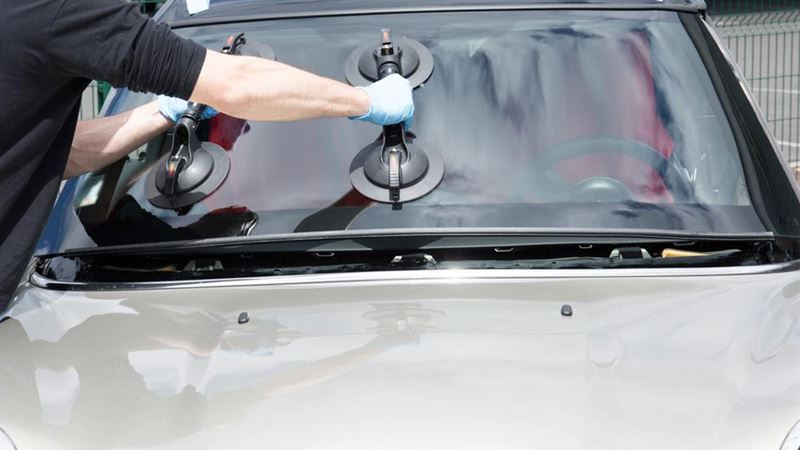
The windshield is more than just a protective barrier; it plays a vital role in overall vehicle safety. Unlike regular glass, automotive windshields are specially designed to withstand impacts, prevent ejection during collisions, and maintain structural integrity. Their unique construction involves advanced manufacturing techniques that prioritize safety and durability, which is why opting for the correct type of replacement glass is so important. Car owners need to understand these distinctions to avoid compromising their safety or facing unnecessary costs.
Automotive windshields are a form of laminated safety glass, engineered specifically for cars. These windshields are composed of multiple layers, each designed to contribute to the overall safety of the vehicle's occupants. Typically, a windshield consists of two sheets of glass bonded together with a layer of polyvinyl butyral (PVB) situated between them. This structure offers impressive resistance to impacts, helping to prevent shattering and reducing the risk of injury during accidents.
The key element in a windshield is this laminated structure. When a small object—such as a pebble or debris—hits the windshield, the damage typically occurs on the outer layer first. If the impact is minor, the damage might be limited to a crack or chip, which can often be repaired without replacing the entire windshield. However, if the force of impact is significant or the damage is extensive, replacing the glass becomes essential to ensure safety and compliance with safety standards.
The polyvinyl butyral (PVB) layer in laminated glass holds the shattered pieces together if the glass breaks. This prevents shards from flying into the vehicle occupants' space, significantly reducing injury risk. As a result, laminated windshields not only protect from external elements like wind, debris, and weather but also greatly enhance safety during collisions.
Understanding the differences between various types of automotive glass can make a significant impact on your vehicle maintenance choices. For example, tempered glass, used for side and rear windows, shatters into small granular pieces when broken—unlike laminated glass, which remains mostly intact. Therefore, choosing the correct type of replacement glass is crucial for maintaining your vehicle’s safety features.
When searching for an affordable windshield replacement, it's important to consider factors such as the quality of the material, installation standards, and the reputation of the service provider. Opting for the lowest price may sometimes lead to subpar quality, which could compromise safety or lead to costly repairs down the line. Therefore, it's recommended to balance cost considerations with the need for certified, safety-rated glass and professional installation services.
If your windshield sustains damage that is not too severe, repair options are often available and more economical than full replacement. However, for extensive damage, such as large cracks or complete shattering, replacement becomes unavoidable to ensure your safety and legal compliance.
In conclusion, understanding the composition and importance of the windshield helps you make better decisions in selecting a cost-effective yet safe replacement. Always prioritize safety, and consult with trusted professionals to find reliable and affordable options for your vehicle's windshield needs.