
Comprehensive Guide to Different Types of Vehicle Windshields
This comprehensive guide covers the key differences between laminated and tempered windshields, emphasizing manufacturing processes, safety features, benefits, and applications in modern vehicles. Learn how these glass types protect occupants, improve durability, and adapt to emerging automotive technologies, helping vehicle owners make informed decisions for safety and performance.
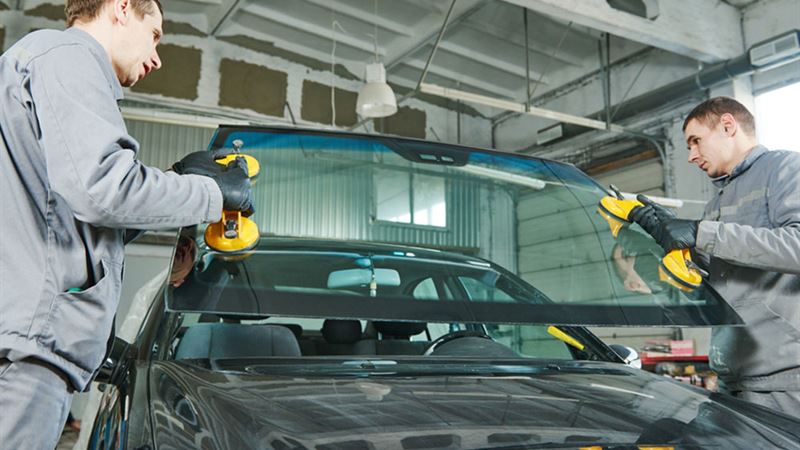
Laminated Windshields: An Overview
Laminate windshields are by far the most common type used in modern vehicles, especially cars, trucks, and commercial transportation. Their building process involves bonding multiple layers of glass and plastic to create a resilient and safety-enhanced barrier. The core of a laminated windshield typically consists of two sheets of tempered glass bonded together with a layer of polyvinyl butyral (PVB) plastic in between. This plastic layer is essential for ensuring that, in case of damage or impact, the glass remains intact and the shards do not disperse dangerously. The manufacturing process involves heating the assembled layers in a vacuum oven under pressure, which fuses them into a single, solid piece of glass that is highly resistant to shattering.
Laminate windshields do more than just protect; they also provide benefit from UV radiation, reducing sun glare and protecting the vehicle's interior from fading. The plastic layer in the laminate absorbs a significant portion of harmful UV rays, contributing to better comfort for passengers and extending the longevity of the interior furnishings. Also, minor cracks and chips are relatively easy to repair with specialized adhesives, preventing the need for complete replacement—a feature that saves cost and time for vehicle owners.
When selecting a laminated windshield, vehicle owners should consider factors like clarity, durability, and aesthetic flexibility. Modern laminates can be shaped and curved to fit the contours of contemporary vehicle designs, enhancing aerodynamics and overall appearance. Laminated windshields are also integral to vehicle safety systems such as airbags and sensors, making them indispensable for modern automotive safety standards.
Advantages of Laminated Windshields
- Enhanced safety due to shatter-resistant properties
- Protection from UV rays, reducing interior damage and glare
- Ability to repair minor damage easily, saving costs
- Excellent durability and resistance to impact
- Flexible design options for modern vehicle aesthetics
Despite their many benefits, laminated windshields do have some limitations. They tend to be heavier than tempered glass, which can influence fuel efficiency and vehicle handling. Additionally, while minor cracks can be repaired, extensive or severe damage often requires complete replacement, which can be costly.
Tempered Windshields: An Overview
Tempered glass is created through an intensive heat treatment process, which significantly enhances its strength and safety profile. The manufacturing involves heating the glass to approximately 600 degrees Celsius (about 1112 degrees Fahrenheit), followed by rapid cooling using blasts of cold air. This rapid cooling causes surface compression and internal tension, making the glass many times stronger and more resistant to impact compared to regular glass. Tempered windshields are thus designed to withstand higher levels of stress and temperature variations, making them suitable for various vehicle components beyond the windshield, such as side and rear windows.
One of the most notable characteristics of tempered glass is its unique shattering pattern. Unlike laminated glass, which remains largely intact upon impact, tempered glass fractures into small, blunt, pebble-like pieces that are less likely to cause severe injuries. This shattering behavior is intentionally engineered to improve safety in the event of breakage. Because of its brittleness in breaking apart, tempered glass cannot be repaired; instead, it must be fully replaced if damaged.
Tempered windshields are often used in vehicles where weight reduction and impact resistance are prioritized over repairability, such as in sports cars, motorcycles, and some commercial vehicles. Their ability to resist thermal stress also makes them ideal for environments where temperature fluctuations are common.
Benefits and Drawbacks of Tempered Windshields
- High resistance to impact and thermal stress
- Breaks into small, blunt pieces to minimize injury risk
- Typically lighter than laminated glass, contributing to vehicle efficiency
- Cannot be repaired once shattered, requiring complete replacement
- Less effective at filtering UV rays compared to laminated windshields
Choosing between laminated and tempered windshields depends largely on the specific needs of the vehicle and its usage environment. For example, safety-critical applications favor laminated glass because of its shatterproof properties, while high-performance and lightweight vehicles might choose tempered glass for its strength-to-weight ratio. Both types have a critical role in the automotive industry and continue to evolve with advances in materials science and manufacturing techniques.
Emerging Technologies and Future Directions
The automotive industry is rapidly adopting new windshield technologies, including photochromic and infrared-transmitting glass, which adapt to changing lighting conditions and improve driver comfort. Innovations in lightweight composites and advanced coatings are enhancing the durability and safety features of windshields without adding significant weight. Additionally, the integration of sensors, heads-up displays, and privacy laminates is transforming windshields into multi-functional components essential for modern connected vehicles.
Understanding these distinctions is vital for vehicle owners, manufacturers, and safety regulators to ensure optimal safety standards and functionality. Whether selecting laminated or tempered windshields, or exploring emerging innovations, the priority remains safety, durability, and performance to meet ever-increasing demands of modern transportation.