
Understanding Recycling Facilities: Their Role and Significance in Waste Management
Recycling centers are essential hubs in sustainable waste management, expertly sorting and processing recyclable materials like paper, plastic, and metals. They reduce landfill waste, lower manufacturing costs, and promote environmental conservation by transforming waste into high-quality reusable products. Through innovative technologies and strategic operations, these facilities support a circular economy, generate employment, and drive market efficiency. Their ongoing evolution and contribution to sustainability make them vital components in creating a cleaner, healthier planet for future generations.
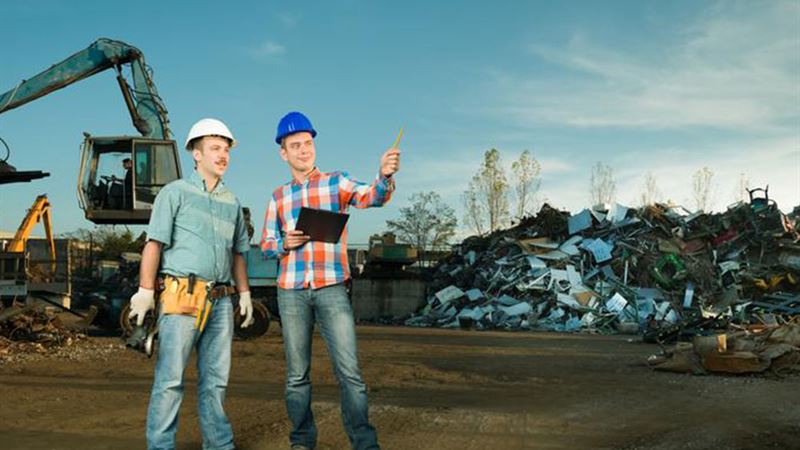
Recycling facilities play a critical role in maintaining environmental health and sustainability by managing waste effectively. Improper waste disposal can lead to environmental degradation, health hazards, and unsightly surroundings. The key solution lies in developing robust waste management systems that emphasize recycling and reuse, minimizing landfill overflow and reducing pollution. Proper waste management involves sorting, processing, and converting waste into reusable materials, a process that has become increasingly important worldwide, especially in the United States.
In response to mounting waste-related challenges, recycling centers have been established across the United States. These centers are designed to efficiently handle various types of waste, separating recyclable materials like paper, plastic, metals, and glass from non-recyclables. This segregation simplifies the recycling process, ensuring that each material is processed correctly to maximize resource recovery. Recycling centers not only help in reducing the volume of waste sent to landfills but also promote the reuse of valuable materials, conserving natural resources, and cutting down manufacturing costs.
Recycling has become a vital component of modern industry because it supports sustainable development and reduces environmental footprints. Recycled materials are increasingly in demand due to their cost-effectiveness and environmental benefits. Many industries rely heavily on recycled raw materials, which are often comparable in quality to their virgin counterparts. This shift towards utilizing recycled resources helps industries reduce their production costs and environmental impact, fostering a circular economy where waste is continuously repurposed into new products.
The Role of Recycling Centers in the Market
Across the United States, the proliferation of recycling centers has created numerous employment opportunities, from sorting and collection to processing and distribution of recycled goods. Workers are trained to segregate waste into different categories such as paper, plastics, metals, and other recyclable materials. Each category undergoes specialized treatment, including cleaning, shredding, melting, and repackaging, depending on the material type and end-use requirements.
Across the United States, the proliferation of recycling centers has created numerous employment opportunities, from sorting and collection to processing and distribution of recycled goods. Workers are trained to segregate waste into different categories such as paper, plastics, metals, and other recyclable materials. Each category undergoes specialized treatment, including cleaning, shredding, melting, and repackaging, depending on the material type and end-use requirements.
These centers operate through a combination of advanced technology and strategic planning. Industries and policymakers conduct thorough research and analysis to determine the most efficient methods for waste processing. Based on these studies, innovative practices are implemented and standardized for broader adoption to improve recycling efficiency. The continuous flow of ideas and innovations ensures that waste management evolves to meet increasing environmental challenges.
Modern recycling centers employ state-of-the-art machinery and technology, such as automated sorting systems, to enhance accuracy and throughput. These investments in technology enable centers to operate more efficiently, reducing labor costs and increasing recycling rates. As a result, recycled materials can be supplied at roughly half the cost of new raw materials, making recycled products highly competitive in the market.
When recycled materials are processed and relabeled, they are often indistinguishable from newly manufactured products. From packaging to construction materials, recycled goods have proven to be as durable and reliable as their non-recycled counterparts. This reinforces the market acceptance of recycled products, supporting environmental sustainability and economic efficiency simultaneously.
In conclusion, recycling centers are pivotal in creating sustainable waste management practices that benefit both the environment and the economy. They facilitate the reduction of waste, conservation of resources, and production of affordable, high-quality recycled products. As technology advances, these centers will become even more integral to global efforts in achieving a greener, cleaner planet, emphasizing the importance of recycling in our daily lives and industrial processes.