
Comprehensive Guide to Tire Recycling: Processes, Advantages, and Practical Insights
This comprehensive article explores tire recycling, detailing the process, numerous benefits, and practical tips for locating nearby recyclers. It highlights the diverse uses of recycled rubber in construction, sports surfaces, footwear, and landscaping while emphasizing its environmental and economic advantages. Learn how tire recycling reduces waste, conserves resources, and promotes sustainability, along with actionable advice on engaging local facilities. Perfect for environmental advocates, industry professionals, and community members, this guide underscores the importance of responsible tire disposal and reuse for a greener future.
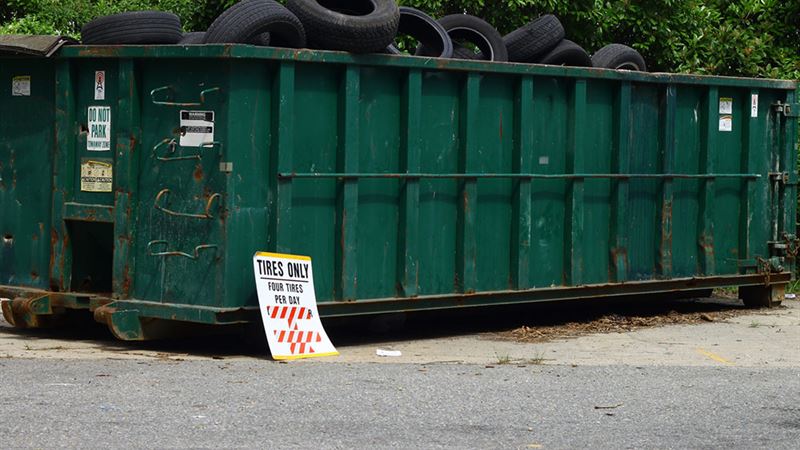
Recycling tires is a vital process that transforms discarded rubber into valuable materials, reducing environmental impact and creating new opportunities across various industries. This detailed guide explores the entire tire recycling process, its numerous benefits, and practical tips for finding recycling facilities near you. Whether you're an environmental enthusiast, a business owner, or a community member, understanding the intricacies of tire recycling can help promote sustainable practices and contribute to a healthier planet.
Understanding Tire Recycling: The Process and Its Components
The journey of recycled tires begins with collection. Old tires are collected from auto shops, distribution centers, or municipal waste programs. Once gathered, the tires undergo a shredding process, where large, bulky tires are broken down into manageable pieces. These shredded materials are further processed through grinding and cleaning to extract specific components such as rubber, steel, and textile fibers.
Step-by-Step Breakdown of the Tire Recycling Procedure
- Collection and Transportation: Tires are gathered from various sources, including automotive repair shops, dealerships, and landfill sites. Efficient transportation ensures minimal environmental impact during logistics.
- Shredding: Using specialized grinding machines, tires are shredded into smaller fragments, typically called chips or crumbs, facilitating easier handling and processing.
- Separation: The shredded material undergoes separation processes—such as magnetic and pneumatic methods—to isolate steel and fiber from rubber components.
- Grinding and Purification: The rubber fragments are ground into fine granules, usually ranging from coarse chunks to powder, suitable for various applications. Contaminants are removed to improve quality.
- Quality Control and Packaging: The processed materials are inspected for consistency and quality before being packaged for sale to manufacturers or end-users.
Wide-Ranging Uses of Recycled Tires
The versatility of recycled rubber is evident in its extensive applications across industries. Here are some of the primary uses:
- Rubberized Asphalt for Road Construction: Incorporating recycled rubber into asphalt enhances skid resistance, reduces road noise, and increases durability. This eco-friendly approach extends the lifespan of pavements and reduces maintenance costs.
- Sports and Playground Surfaces: Recycled tire rubber offers cushioning and shock absorption, making it ideal for playground surfaces and athletic tracks. It minimizes injury risks caused by falls.
- Footwear Industry: Many footwear manufacturers integrate recycled tire rubber into the soles of casual and athletic shoes for improved comfort, flexibility, and sustainability benefits.
- Landscaping and Mulch: Processed into mulch, recycled tire rubber helps retain soil moisture, suppress weeds, and prevent pest infestations—enhancing garden health and aesthetics.
- Construction Sector: Recycled rubber components find their way into roofing shingles, insulation panels, and sound barriers—improving energy efficiency and acoustic performance of buildings.
The Crucial Benefits of Tire Recycling
Embracing tire recycling has profound advantages for the environment, economy, and community living. These benefits include:
- Environmental Sustainability: Recycling significantly cuts down on tires ending up in landfills—reducing fire hazards, methane production, and soil or water contamination caused by leachates.
- Conservation of Natural Resources: Extracting raw materials like rubber, steel, and fiber from recycled tires decreases dependency on virgin resources, promoting a circular economy.
- Economic Growth and Employment: The industry creates jobs across collection, processing, and manufacturing sectors while fostering innovation and investment in sustainable technologies.
- Enhanced Road Safety and Noise Reduction: Rubberized asphalt delivers smoother, more traction-efficient roads. It also curbs traffic noise, improving living conditions in urban environments.
How to Locate Tire Recycling Centers Near You
Finding a nearby tire recycling facility can be straightforward with the right approach. Here are effective tips to help you identify and connect with local recycling options:
- Utilize Search Engines: Type terms like “tire recycling center near me” or “automobile tire recycler close to my location” into search engines. This provides a list of facilities in your area.
- Scan Local Business Directories: Both online and printed directories list registered recycling centers, including their contact information and operating hours.
- Consult Government and Environmental Websites: Local government portals or environmental agencies often maintain directories, maps, or contact details for authorized tire recyclers.
- Engage with Environmental and Community Organizations: These groups often have up-to-date directories or can guide you toward approved recycling locations.
- Contact Waste Management Services: Local waste management companies and sanitation departments can provide information regarding nearby recycling facilities that accept tires.
- Ask Auto Shops and Tire Retailers: Auto repair outlets often collaborate with tire recycling centers or accept tires for recycling themselves, offering convenient options.
- Join Community Forums and Networks: Local online forums, neighborhood groups, or social media pages can be sources of personal recommendations and community insights.
- Use Recycling Apps: Smartphone applications designed to locate recycling centers can simplify the search, providing addresses, hours, and contact info.
- Make Phone Inquiries: Call local recycling centers, landfills, or scrapyards to confirm whether they accept tires or can direct you to certified recyclers.
Recycling used tires is a vital step toward sustainability. It minimizes waste, reduces environmental hazards, and facilitates the creation of innovative products that benefit society. Instead of discarding old tires away, we can reimagine their potential—supporting a cleaner environment and a more sustainable future. each of us can contribute to this circular process, making our communities safer, healthier, and more eco-conscious.