
Understanding Normal Blood Glucose Levels and Effective Monitoring Methods
This comprehensive guide explains normal blood sugar levels, how to measure them accurately, and strategies for maintaining optimal glucose control. It covers fasting, post-meal, and long-term HbA1c levels, contrasting standards for diabetics and non-diabetics. Learn effective testing methods, including fingersticks and continuous glucose monitors, and discover how proper management can prevent serious health complications while promoting lifelong wellness.
Blood glucose, a vital energy source for our bodies, results from the conversion of carbohydrates—both from food and stored reserves—into glucose. When we consume starchy foods, our bodies break down complex carbohydrates into simple sugars like glucose, which then circulate in the bloodstream and fuel various bodily functions. Maintaining ideal blood sugar levels is crucial for overall health, especially for individuals with or at risk of diabetes. Understanding what constitutes normal levels and how to monitor them effectively can significantly impact long-term health and prevent serious complications.
In medical terms, blood glucose and blood sugar levels essentially refer to the same measurements. The way these levels are expressed varies internationally. In the United States, blood glucose levels are commonly reported in milligrams per deciliter (mg/dl), whereas in countries like the UK and Canada, millimoles per liter (mmol/L) are used. This difference in measurement units is important to note when interpreting blood sugar readings or discussing health with healthcare professionals.
What Are Standard Blood Sugar Levels?
Normal blood sugar levels fluctuate throughout the day, influenced by factors such as meals, physical activity, stress, and sleep. For individuals who do not have diabetes, fasting blood sugar levels—measured after waking up in the morning—should be below 100 mg/dl. Fasting levels above this may indicate impaired glucose regulation or prediabetes, which warrants medical attention to prevent progression to diabetes.
Pre-meal or fasting blood sugar is typically within the range of 70–99 mg/dl. After consuming a meal, blood sugar naturally rises. However, postprandial (after eating) levels are expected to be less than 140 mg/dl two hours after a meal, indicating a healthy glucose response. These ranges hold true for individuals without diabetes. If levels are consistently higher, it suggests impaired glucose tolerance and potential development of diabetes.
For people diagnosed with diabetes, target blood sugar levels are different and are set to prevent complications while maintaining quality of life. The American Diabetes Association recommends that fasting blood glucose for diabetics should be maintained between 80–130 mg/dl, and after meals, levels should stay below 180 mg/dl. Achieving and maintaining these targets require diligent management, including prescribed medications, diet, and lifestyle modifications.
Diabetes management involves more than just daily blood sugar monitoring; it also includes assessing long-term control through Hemoglobin A1c (HbA1c) testing. This blood test provides an average of blood glucose levels over the past two to three months, giving a broader perspective on glycemic control. For non-diabetics, an HbA1c below 5.7% is considered normal, while diabetics should aim for levels below 7.0%, as recommended by ADA guidelines.
Chronic high blood sugar levels can lead to inflammation and damage to blood vessels and nerves, increasing the risk of cardiovascular disease, kidney failure, nerve damage, and vision problems. Conversely, excessively low blood glucose—a condition known as hypoglycemia—can cause confusion, dizziness, weakness, and even loss of consciousness. Therefore, maintaining blood sugar within a safe and healthy range is critical for preventing both short-term and long-term health issues.
Established Blood Sugar Range Norms
- Fasting blood glucose (for non-diabetics): 70–99 mg/dl (3.9–5.5 mmol/L)
- Fasting blood glucose (for diabetics): 80–130 mg/dl (4.4–7.2 mmol/L)
- Post-meal blood sugar (2 hours after eating) for non-diabetics: less than 140 mg/dl (7.8 mmol/L)
- Post-meal blood sugar (for diabetics): less than 180 mg/dl (10 mmol/L)
- HbA1c (for non-diabetics): below 5.7%
- HbA1c (for diabetics): 7.0% or lower
How to Test Your Blood Sugar Levels Effectively
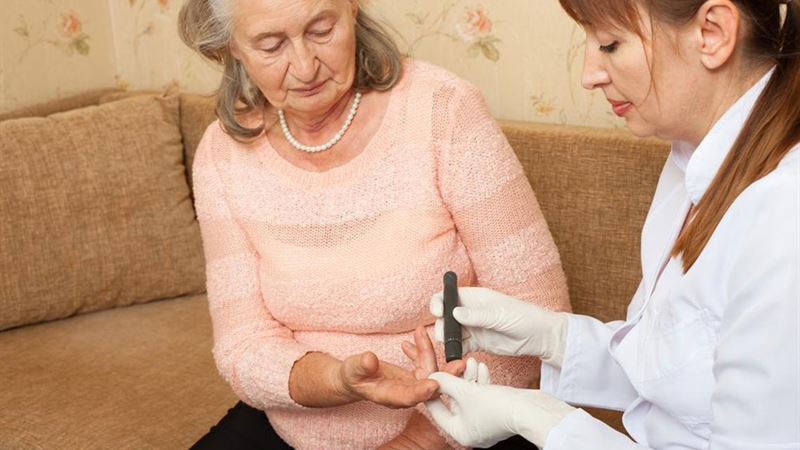
Monitoring blood glucose levels is essential for managing health, especially for individuals with diabetes or prediabetes. The most common method involves a fingerstick blood test using a portable glucose meter. Though quick and highly accurate, this method involves pricking your finger multiple times a day, which can be inconvenient or uncomfortable. Nonetheless, it’s invaluable for tracking daily fluctuations and adjusting medication or lifestyle accordingly.
Advancements in technology have introduced continuous glucose monitors (CGMs), which offer a more comfortable and less invasive way to keep tabs on blood sugar. These devices use a tiny sensor inserted under the skin, usually on the abdomen or arm, to measure glucose levels continuously throughout the day and night. By providing real-time data, CGMs enable better management and timely adjustments to diet, exercise, and medication. Although they require calibration with traditional blood tests twice daily, their convenience makes them increasingly popular, especially among insulin-dependent diabetics.
Frequent testing is critical for individuals on insulin therapy, whether rapid-acting or intermediate-acting. Proper dosing prevents dangerous fluctuations that could lead to hypoglycemia or hyperglycemia. If you have Type 2 diabetes and are not taking insulin, the frequency of testing depends on your treatment plan and how well your blood glucose is controlled. Keeping detailed records of readings, diet, medications, and activity helps you and your healthcare provider tailor an effective management strategy.
In addition to daily testing, regular HbA1c assessments are recommended to evaluate long-term control. Maintaining stable blood glucose levels through diet, exercise, medication adherence, and stress management can prevent the development of complications. Ultimately, proactive monitoring and consistent control are vital components of effective diabetes management and maintaining overall health.