
Comprehensive Guide to Blood Sugar Levels and Diabetes Monitoring
This comprehensive guide explores blood sugar levels crucial for diabetes management, detailing normal and abnormal ranges, testing methods, and personalized targets. Learn how to use blood sugar charts effectively to prevent complications and improve health outcomes through proactive monitoring and professional consultation.
Understanding Blood Sugar Levels and Their Significance in Diabetes Management
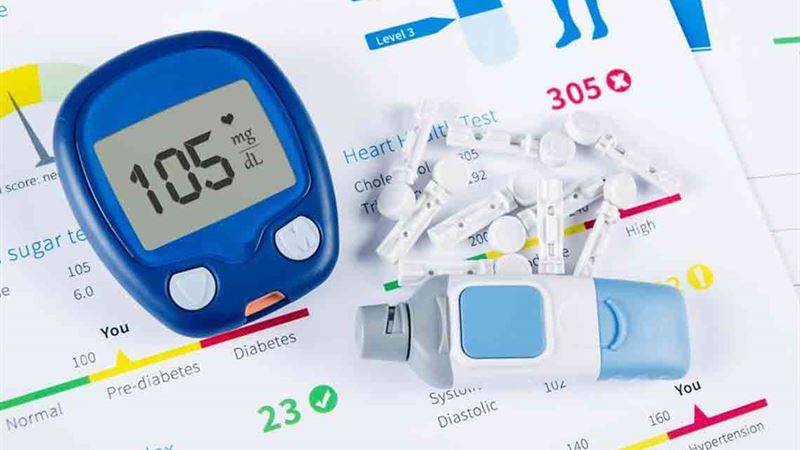
Maintaining proper blood sugar levels is vital for individuals managing diabetes and those aiming to prevent its onset. The blood sugar levels chart provides essential information on normal and abnormal glucose ranges, helping patients and healthcare providers assess the effectiveness of treatment plans. Blood glucose, or blood sugar, reflects the amount of glucose present in the bloodstream at any specific time. Staying within recommended ranges reduces risk factors associated with diabetes complications such as retinopathy, neuropathy, and cardiovascular diseases.
The blood sugar chart serves as a valuable tool for continuous health monitoring. By regularly comparing test results to the standard thresholds, individuals can identify potential issues early and seek medical advice proactively. This proactive approach plays a crucial role in preventing long-term damage and ensuring adequate disease control.
Deciphering the Blood Sugar Levels Chart
Blood sugar levels fluctuate throughout the day, influenced by food intake, physical activity, medication, and stress levels. Typically, fasting blood sugar levels are at their lowest before breakfast, with levels gradually increasing after meals. Every individual’s normal range can vary slightly, making personalized targets important. The chart indicates acceptable blood sugar levels for both diabetic and non-diabetic individuals, often expressed in milligrams per deciliter (mg/dL). Understanding these numbers helps in managing diabetes effectively.
Moreover, the A1C test, a standard diagnostic tool, provides an average blood sugar level over two to three months by measuring the percentage of hemoglobin coated with sugar. This metric is critical for evaluating long-term glucose control and adjusting treatment strategies accordingly. Standards set by organizations like the American Diabetes Association (ADA), Joslin Diabetes Center (JDC), and the American Association of Clinical Endocrinologists (AACE) guide these targets, which may have slight variations depending on individual health considerations.
Below is an extended overview of blood sugar levels at different times of the day, tailored for various age groups and health conditions. These figures help provide a comprehensive picture for effective monitoring and management.
Fasting Blood Sugar (Before Breakfast)
- Normal (non-diabetic): 70–99 mg/dL
- Diabetic target (ADA): 80–130 mg/dL
- JDC recommendation: 70–130 mg/dL
- AACE guideline: less than 110 mg/dL
Pre-Meal Blood Sugar (Before Eating)
- Normal (non-diabetic): less than 110 mg/dL
- Diabetic target (JDC): 70–130 mg/dL
Post-Meal Blood Sugar (Two Hours After Eating)
- Normal (non-diabetic): less than 140 mg/dL
- Diabetic target (ADA & JDC): less than 180 mg/dL
- AACE: less than 140 mg/dL
Evening or Bedtime Blood Sugar
- Normal (non-diabetic): less than 120 mg/dL
- Diabetic target (JDC): 90–150 mg/dL
A1C (Glycated Hemoglobin) Levels
- Normal (non-diabetic): less than 5.7%
- Target (diabetic patients): less than 7%
For children aged 6 to 12, the blood sugar levels generally align with adult standards. However, individuals with diabetes should always work closely with healthcare providers to set personalized target ranges based on their specific circumstances, including age, overall health, and the duration of their condition. Factors such as coexisting health issues, cardiovascular risks, and previous complications influence the ideal glucose targets.
Temporary forms of diabetes, like gestational diabetes during pregnancy, require modified standards for blood sugar levels to ensure both maternal and fetal health. Properly calibrated blood sugar monitoring devices are essential for accurate readings. Traditional monitors relied on finger-prick blood samples, but modern devices now measure plasma glucose more accurately, enabling better management. It is important to perform multiple tests periodically to get a true picture of glucose control rather than relying on single readings.
Maintaining a detailed blood sugar chart and consulting healthcare professionals regularly ensures effective diabetes management. Early detection of fluctuations allows for timely adjustments in medication, diet, and lifestyle, ultimately reducing the risk of complications. For people without diabetes, standard fasting blood sugar levels are typically between 100 and 180 mg/dL, with bedtime levels ranging from 110 to 200 mg/dL. Keeping blood sugar within these ranges supports overall health and prevents insulin resistance and related metabolic issues.
In conclusion, understanding and regularly monitoring your blood sugar levels through charts and tests is crucial in managing diabetes effectively. Collaborate with your healthcare team to establish realistic targets and a sustained plan for healthy living. Accurate blood sugar management not only reduces short-term symptoms but also minimizes the long-term risks of serious health problems.