
Comprehensive Guide to Sleep Apnea: Types, Symptoms, Effective Treatments, and Dental Devices
This comprehensive guide explores the different types of sleep apnea, their symptoms, causes, and the latest treatment options. Special focus is given to the role of custom dental mouth guards as an effective, non-invasive solution. Learn how lifestyle changes, medical therapies, and dental devices can help improve sleep quality and overall health. Early diagnosis and personalized treatment are crucial for managing this potentially dangerous sleep disorder, offering hope for better rest and well-being.
Understanding the Different Types of Sleep Apnea
Sleep apnea is a prevalent sleep disorder characterized by interruptions in breathing during sleep. It manifests in various forms, each with distinct causes and implications. Recognizing the different types is crucial for effective diagnosis and treatment.
- The most common form is Obstructive Sleep Apnea (OSA), which occurs when the airway becomes blocked by relaxed throat muscles, leading to brief pauses in breathing. This form is particularly prevalent among men and individuals overweight.
- The second type is Central Sleep Apnea (CSA), which is less common and is caused by the brain's failure to send proper signals to the muscles that control breathing. This results in pauses without airway obstruction.
- Mixed Sleep Apnea combines elements of both OSA and CSA, leading to complex breathing pauses during sleep. Proper diagnosis often involves identifying which components are at play for tailored treatment.
Sleep apnea affects a significant portion of the population, and understanding its types helps in exploring suitable treatment strategies.
Common Symptoms Indicating Sleep Apnea
People suffering from sleep apnea often experience a range of symptoms that can affect daily life. Recognizing these signs early can lead to timely intervention.
- Excessive daytime sleepiness (EDS), which causes individuals to feel extraordinarily tired during the day, impacting productivity and safety.
- Difficulty concentrating or remembering things, often described as brain fog or mental cloudiness.
- Visual disturbances, such as blurry vision or eye discomfort, may be associated with sleep deprivation.
- Insomnia or difficulty falling asleep and maintaining restful sleep.
- Dry mouth and throat upon waking, along with fatigue and headaches in the morning.
- Mood swings, irritability, and instances of teeth grinding during sleep, known as bruxism.
In severe cases, untreated sleep apnea can result in dangerous health outcomes, including risk of cardiovascular issues and even death, due to prolonged oxygen deprivation.
Causes and Risk Factors for Sleep Apnea
Understanding what contributes to the development of sleep apnea is vital for prevention and management.
- Obesity stands out as a leading risk factor; excess fat can obstruct airflow and compress the airway.
- Enlarged tonsils, elongated uvula, or a sizeable tongue can cause physical blockages in the airway.
- Sinus infections, allergies, and nasal congestion contribute to airflow restrictions.
- Having a large neck circumference or a small jawbone increases the likelihood of airway obstruction.
- Gastroesophageal reflux disease (GERD) may also play a role by causing inflammation and swelling that narrows the airway.
- Certain lifestyle choices, such as alcohol consumption and smoking, relax throat muscles and cause inflammation, respectively, raising the risk.
Recognizing these risk factors allows for proactive measures and early intervention.
Effective Strategies for Treating Sleep Apnea
- Many lifestyle modifications can alleviate mild cases of sleep apnea. These include losing excess weight, which reduces pressure on the airway, and changing sleep positions—avoiding sleeping on the back can prevent airway obstruction.
- Ceasing alcohol intake and avoiding sedative medications like sleeping pills help in maintaining muscle tone during sleep.
- Quitting smoking reduces airway inflammation and swelling, improving breathing patterns.
- Consistent sleep hygiene practices promote better rest and reduce apnea episodes.
- When lifestyle changes do not suffice, medical interventions become necessary.
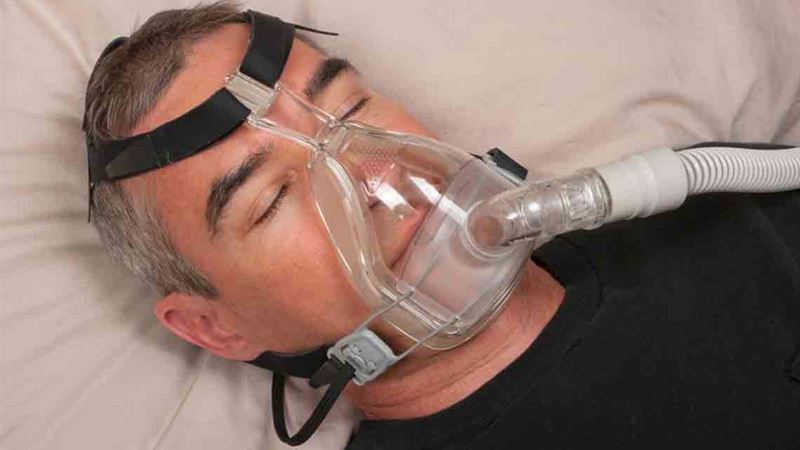
- Continuous Positive Airway Pressure (CPAP) therapy is widely used, where a mask delivers a steady stream of air to keep the airway open throughout sleep. While effective, some users find CPAP uncomfortable or disruptive.
- Alternative devices, such as custom-made oral appliances like sleep apnea mouth guards, are increasingly popular due to their comfort and convenience.
- Surgical options may be considered in severe cases, including procedures to remove enlarged tissues or correct anatomical abnormalities.
The Role of Mouth Guards and Dental Devices in Sleep Apnea Treatment
Dental devices, particularly custom-fitted mouth guards, offer a non-invasive solution for mild to moderate sleep apnea. These devices are designed by dental professionals to fit comfortably in the mouth, promoting better airflow by repositioning the lower jaw forward.
- The primary function of sleep apnea mouth guards is to prevent the collapse of the throat muscles during sleep by maintaining an open airway.
- Most dental mouth guards are crafted to accommodate individual oral structures, ensuring a snug fit that enhances effectiveness.
- These devices are especially suitable for people who experience discomfort with CPAP masks or prefer a more discreet solution.
- Wearing a sleep apnea mouth guard can significantly reduce snoring and sleep disruptions, leading to improved sleep quality and daytime alertness.
- Designed with safety and comfort in mind, these devices are usually adjustable through hinges or side straps to optimize fit and function.
- People with dental issues like broken teeth or periodontal disease should consult their dentist before using mouth guards to ensure safety.
Choosing the Right Dental Device for Sleep Apnea
When selecting a mouth guard, it’s essential to consult a qualified dentist to obtain a custom-molded appliance tailored to your specific needs. Off-the-shelf options may not provide the same level of comfort or efficacy.
Dental devices are built to last, often with a lifespan of about a year, and are designed to accommodate various dental and jaw structures. Proper fit not only improves effectiveness but also prevents issues like teeth grinding and clenching at night, which can cause additional dental problems.
Overall, dental sleep apnea devices are a practical, user-friendly alternative to other treatments, offering a peaceful night’s sleep and better overall health.
Investing in a properly fitted mouth guard can make a significant difference in managing sleep apnea, reducing daytime fatigue, and enhancing overall quality of life.