
Comprehensive Guide to Recognizing and Managing Deep Vein Thrombosis Symptoms
Deep Vein Thrombosis (DVT) can have serious health consequences if left untreated. Recognize the symptoms early, understand risk factors, get timely diagnosis, and follow proper treatment protocols. This detailed guide provides comprehensive information on DVT signs, causes, and prevention methods to help you stay vigilant and protect your health from potential life-threatening complications.
- Previous trauma or injury damaging the veins
- Overweight or obesity increasing pressure on veins
- Genetic predisposition owing to family history
- Use of hormone therapy or contraceptives
- Regular smoking habits
- Prolonged immobility, such as sitting for extended periods
- Presence of catheters or intravenous lines in veins
- Swelling along the affected vein, often in the leg or thigh
- Persistent tenderness or soreness, especially when standing or walking
- Localized warmth or heat sensation in the region of the clot
- Discolored or reddish skin over the affected area
- Possible asymptomatic cases—many individuals show no noticeable symptoms until complications arise
- Sudden shortness of breath
- Chest pain that worsens with breathing or coughing
- Coughing up blood
- Rapid breathing and increased heart rate
- Feeling of anxiety or dizziness
- Severe, intermittent pain in the affected limb that intensifies with movement
- Redness and swelling, especially near the back of the leg
- Exquisite sensitivity to touch, sometimes even at rest
- Feeling dizzy or experiencing blackouts
- Profuse sweating, anxiety, or a feeling of impending doom
- Severe chest pain aggravated by deep breaths or coughing
- Difficulty breathing or rapid breathing
- Blood in cough fluid
- Increased heart rate and weakness
- Anticoagulants: Blood-thinning medications like warfarin and heparin are standard treatments that prevent clot growth and facilitate the body's ability to dissolve existing clots.
- Vena Cava Filters: For patients who cannot tolerate blood thinners, a filter can be placed in the vena cava to trap clots before they reach the lungs.
- Compression Therapy: Use of compression stockings can reduce swelling and improve blood flow in the legs.
- Thrombolytic Therapy: In severe cases, clot-dissolving medications may be administered under supervision.
- Lifestyle Changes and Prevention: Maintaining a healthy weight, staying active, avoiding prolonged sitting, quitting smoking, and managing underlying conditions significantly decrease DVT risk.
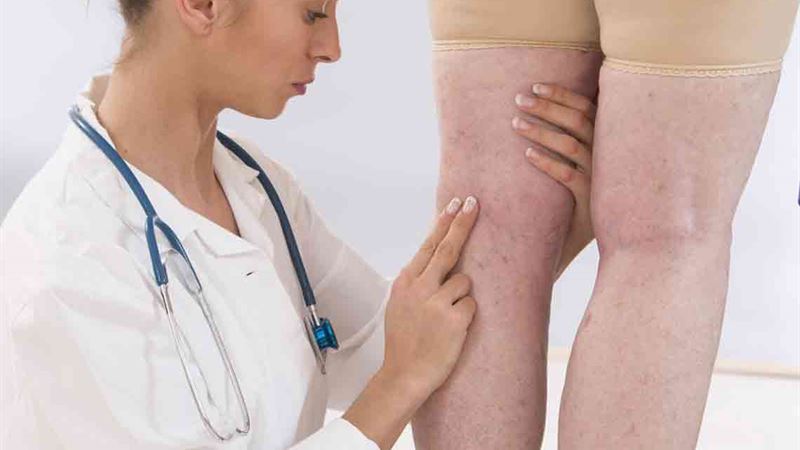
The diagnostic process begins with a thorough review of medical history and a physical examination focusing on symptoms and risk factors. Healthcare providers may use ultrasound imaging, primarily Doppler ultrasound, to visualize blood flow and detect clots within veins. Additional tests such as venography, blood tests measuring D-dimer levels, or MRI scans may be employed to confirm the diagnosis or rule out other conditions. Early diagnosis enhances treatment outcomes and reduces the likelihood of complications.
- Regular physical activity to promote circulation
- Avoid prolonged immobility or sitting for long hours
- Adopt a healthy diet and maintain an ideal weight
- Quit smoking to improve vascular health
- Manage underlying health conditions like hypertension and diabetes
Deep Vein Thrombosis is a condition that can strike unexpectedly, often without clear symptoms. Being aware of its risk factors and early signs can make a significant difference. Prompt diagnosis and treatment are essential to prevent life-threatening complications such as pulmonary embolism. If you notice any of the symptoms described, seek medical attention immediately. Regular check-ups, healthy lifestyle choices, and awareness about DVT can help you manage your vascular health effectively and lead a safer, healthier life.