
Comprehensive Guide to Deep Vein Thrombosis: Symptoms, Diagnosis, and Effective Treatments
Deep vein thrombosis (DVT) is a serious condition involving blood clot formation in deep veins, often in the legs or arms. Recognizing symptoms such as swelling, pain, discoloration, and vein enlargement is crucial for early diagnosis. Diagnostic tools include ultrasound and blood tests, while treatments range from blood thinners to clot-busting drugs and filters. Lifestyle changes like regular exercise, healthy diet, and avoiding prolonged immobility are effective preventive measures. Consulting top hospitals for specialized care ensures optimal treatment. Early detection and prevention are vital to preventing life-threatening complications like pulmonary embolism.
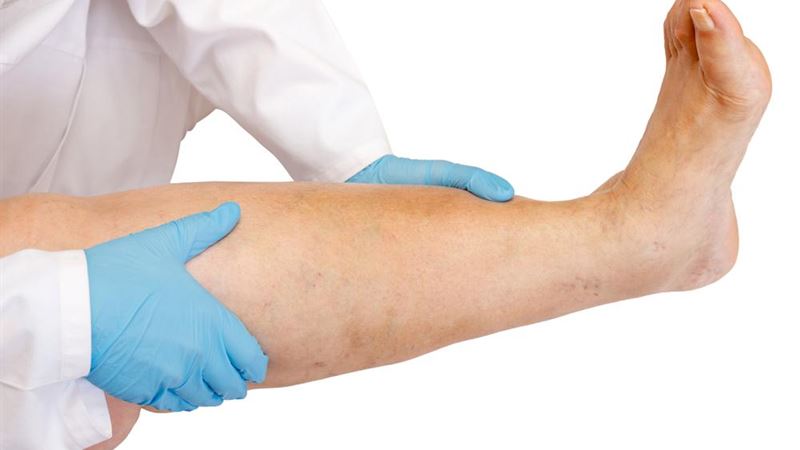
Recognizing DVT Symptoms
Typically, deep vein thrombosis occurs in one limb—either leg or arm—but symptoms can vary considerably. It is crucial to be aware of the common signs to seek timely medical intervention. Some prominent indicators include:
- Discoloration of the skin over the affected area, which may turn pale, reddish, bluish, or exhibit other discolorations.
- Noticeable swelling in the limb, often localized and persistent.
- Unexpected and severe pain in the foot, ankle, or arm that may come on suddenly.
- Persistent tenderness or aching sensation in the leg or arm.
- Visible enlargement of superficial veins in the affected area.
Home Remedies and Lifestyle Tips for DVT Prevention
Incorporating certain natural and dietary measures can help reduce the risk of DVT and improve overall vascular health. Items readily available in your kitchen or household can be very effective:
- Cayenne Pepper: Contains capsaicin, which enhances blood flow and promotes healthy circulation.
- Garlic: Renowned for its blood-thinning properties and ability to prevent clot formation.
- Ginger: Acts as a natural fibrinolytic agent, breaking down fibrin that contributes to clot development.
- Vitamin E-rich Foods: Such as sunflower seeds, olives, walnuts, spinach, and bell peppers, support smooth blood flow and reduce clotting risks.
- Cinnamon: Contains coumarin, an anticoagulant compound that helps maintain low blood pressure and prevents blood thickening.
Diagnostic Procedures for Deep Vein Thrombosis
When suspecting DVT, doctors rely on a combination of symptom assessment and diagnostic tests. The consultation begins with a detailed medical history focusing on recent symptoms and risk factors, followed by a physical examination targeting areas of tenderness, swelling, or discoloration. To confirm the diagnosis, various imaging and blood tests are performed, including:- Ultrasound Doppler imaging, which provides real-time visualization of blood flow and identifies clots.
- Blood tests, such as D-dimer assay, which measures clot degradation products in the bloodstream.
- Venography, an X-ray procedure involving contrast dye to reveal blood flow abnormalities.
- Computed Tomography (CT) scans, offering detailed images of blood vessels and clots.
- Magnetic Resonance Imaging (MRI), providing high-resolution images without radiation exposure.
Deep Vein Thrombosis Treatment Options
Effective management of DVT primarily involves anticoagulant therapy—commonly known as blood thinners—which prevents existing clots from enlarging and new clots from forming. It's essential to understand that these medications do not physically thin the blood but inhibit clotting factors. Common anticoagulant medications include:- Apixaban (Eliquis)
- Betrixaban (BEVYXXA)
- Dabigatran (Pradaxa)
- Edoxaban (Savaysa)
- Fondaparinux (Arixtra)
- Heparin
- Rivaroxaban (Xarelto)
- Warfarin (Coumadin)
Clot-busting medications, known as thrombolytics, may be prescribed in severe cases where immediate clot dissolution is necessary, especially if standard anticoagulants prove ineffective. Since these drugs carry a risk of significant bleeding, their use is carefully monitored. Additionally, some patients benefit from filtering devices—vena cava filters—that are inserted into large veins to prevent dislodged clots from reaching the lungs, reducing the incidence of pulmonary embolism.
Compression stockings are also recommended to manage swelling and improve blood circulation in affected limbs. These specialized garments apply graduated pressure, aiding in preventing clot propagation and alleviating symptoms of swelling and pain.
Top Medical Facilities Specializing in Deep Vein Thrombosis Care
When seeking advanced treatment for DVT, numerous reputable hospitals and clinics provide comprehensive care and innovative therapies at reasonable costs. Prominent among these are:- Rehabilitation Hospital of Denton
- Presbyterian Hospital of Denton
- Ubh Denton
- UT Southwestern Medical Center
- Clements University Hospital
- University General Hospital Dallas
- Denton Regional Medical Center
- Walnut Hill Medical Center
- Medstar Georgetown University Hospital
- Medstar National Rehabilitation Hospital
- Medstar Washington Hospital Center
- Providence Hospital
- Psychiatric Institute of Washington
- Zale Lipshy University Hospital