
Comprehensive Guide to Early Detection of Deep Vein Thrombosis (DVT)
This comprehensive article provides detailed insights into early detection of deep vein thrombosis (DVT), highlighting common symptoms, risk factors, and preventive measures. Recognizing early signs like leg swelling, discoloration, warmth, and persistent pain can save lives by enabling timely medical intervention. The article emphasizes the importance of regular health check-ups and lifestyle modifications to prevent severe complications like pulmonary embolism. Ideal for those with risk factors, it offers practical advice on when to seek medical attention and how to implement preventive strategies effectively, ensuring better vascular health and overall well-being.
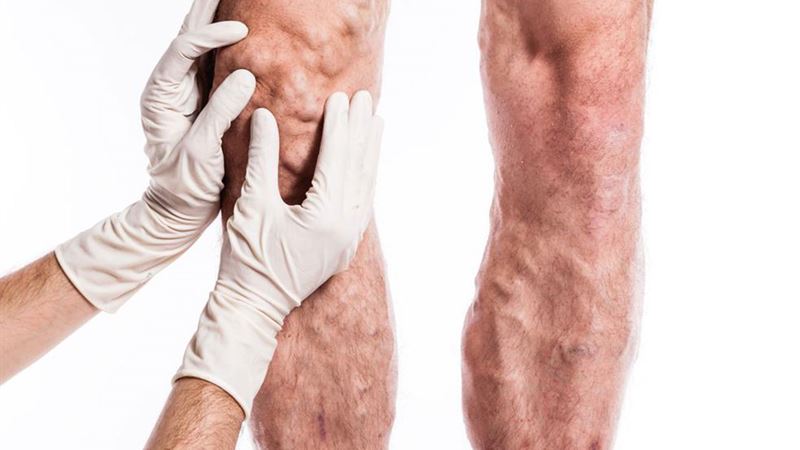
Deep vein thrombosis can be a silent threat, but certain physical signs and symptoms serve as early warning indicators. Recognizing these symptoms can be lifesaving and can significantly reduce the risk of complications associated with DVT. It is important to note that some individuals may not show obvious signs, which underlines the importance of regular health check-ups, especially if you have risk factors such as prolonged immobility, recent surgery, or certain medical conditions.
Common Symptoms of Deep Vein Thrombosis
- Unilateral Swelling: A swelling localized to one leg, ankle, or foot is a common early sign. This swelling is often accompanied by an ache or heaviness that feels different from typical limb fatigue.
- Discoloration: The skin over the affected vein may turn bluish or reddish, indicating compromised blood flow. This discoloration is often palpable and visibly noticeable.
- Warmth and Tenderness: The affected limb, particularly in the calf region, may feel warmer than the surrounding skin. Tenderness or pain upon touch in the area is also a notable symptom.
- Sudden Pain or Discomfort: Many individuals experience a sudden, persistent pain or throbbing sensation in the calf muscles. In some cases, the pain becomes severe, making it difficult to walk or stand for extended periods.
- Changes in Skin Texture: Skin over the affected area may feel tight, shiny, or appear swollen, especially when the clot causes increased pressure within the vein.
Less Obvious Symptoms and Asymptomatic Cases
Sometimes, DVT may not present typical visual or physical symptoms, particularly in its early stages. Some individuals might notice unexplained aches or a feeling of tightness in the leg that seems to recur periodically, without any apparent cause. Asymptomatic cases—those without any visible signs—are also common but pose a higher risk because they can go unnoticed until complications develop.
Why Early Detection Matters
Recognizing symptoms early can prevent the progression of DVT into more severe conditions, such as pulmonary embolism where a blood clot migrates to the lungs. Early intervention can significantly reduce mortality risks and improve quality of life. Moreover, prompt medical attention allows for less invasive treatment options, shorter recovery times, and minimized long-term complications like post-thrombotic syndrome.
What Should You Do if You Suspect DVT?
If you observe any symptoms mentioned above, especially swelling, redness, warmth, or pain in your leg, seek medical attention immediately. Do not ignore or delay consulting a healthcare professional. A doctor may perform diagnostic tests such as ultrasound imaging, D-dimer blood tests, or venography to confirm the presence of a clot and determine its extent. Early diagnosis facilitates timely treatment, usually involving anticoagulant medications to prevent clot growth and new clot formation.
Preventive Measures and Risk Reduction
Prevention is the best approach to avoid DVT. Regular physical activity, maintaining a healthy weight, staying well-hydrated, and avoiding prolonged immobility are key strategies. For individuals at higher risk, such as post-surgery patients or those with clotting disorders, healthcare providers may recommend wearing compression stockings or prescribing blood thinners as a precaution. Lifestyle modifications and routine health screenings are vital components of a preventive strategy against DVT.
Conclusion
Deep vein thrombosis is a potentially dangerous condition that benefits significantly from early detection. Being vigilant about common symptoms like swelling, pain, skin discoloration, and warmth can save lives. If you notice any signs, prompt medical evaluation and treatment can dramatically improve outcomes. Regular check-ups, especially if you have risk factors, are essential — don’t wait until discomfort or symptoms become severe. Prioritize your vascular health to bypass the risk of life-threatening complications and enjoy a healthier, more active life.