
Comprehensive Guide to Understanding and Managing Deep Vein Thrombosis (DVT)
Deep vein thrombosis (DVT) is a serious condition involving blood clots in deep veins. This detailed guide covers symptoms, effective treatments, potential complications, and preventive lifestyle strategies. From medication options to diet and stress management, learn how to reduce risks and manage DVT effectively. Adopting healthy habits like regular movement, balanced nutrition, and relaxation techniques can help prevent DVT or improve existing symptoms, ensuring better vascular health and overall well-being. Stay informed and proactive to safeguard your health against this chronic condition.
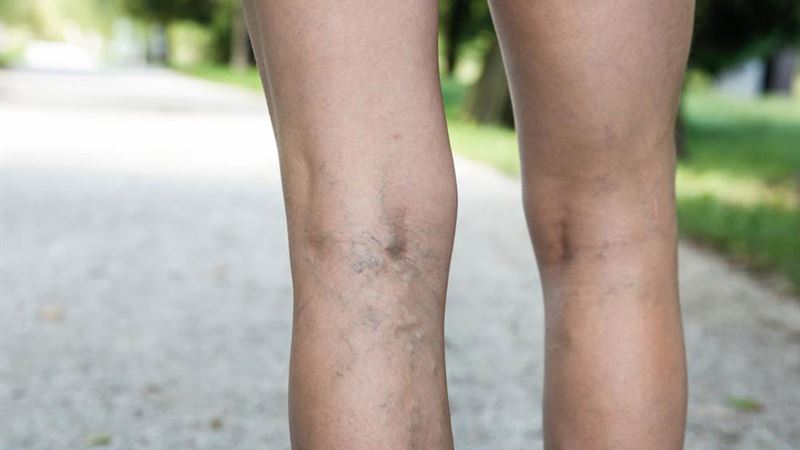
- Persistent swelling, redness, or soreness in one leg or ankle
- Cramping or aching sensations originating from the calf area
- Unexpected pain or tenderness in the foot or ankle region
- Localized skin warmth over the affected area
- Changes in skin color, such as pale, reddish, or bluish hues on the skin surface
Effective Treatment Strategies for Deep Vein Thrombosis
Managing DVT involves a range of treatment options aimed at alleviating symptoms and preventing complications. These methods include:
- Anticoagulant medications prescribed by healthcare professionals, including drugs like heparin, warfarin, and newer oral anticoagulants (NOACs)
- Thrombolytic therapy, which uses clot-dissolving medications to remove existing blood clots
- Use of compression therapy, such as graduated compression stockings, to promote healthy blood flow, reduce swelling, and lower the risk of clot formation
- In cases where blood thinning is unsuitable, placement of filters, like vena cava filters, inside the large vein in the abdomen helps trap emboli before they reach vital organs
Potential Complications Caused by DVT
If left untreated or improperly managed, DVT can lead to serious health issues. Recognizing early warning signs is critical to prevent escalation. Common complications include:
- Dizziness or lightheadedness due to reduced blood flow
- Excessive sweating and pallor
- Chest pain that may mimic heart problems
- Difficulty breathing or shortness of breath
- Coughing up blood, indicating embolism
- Rapid or irregular heartbeat
Prompt medical attention is essential if these symptoms develop, as they may signify pulmonary embolism, which can be life-threatening. Effective management not only relieves symptoms but also minimizes the risk of such severe outcomes.
Preventive Measures to Reduce DVT Risks
Prevention plays a crucial role in avoiding the onset of DVT or minimizing its progression. Adopting a proactive lifestyle can significantly lower the likelihood of developing blood clots. Key preventive strategies include:
- Maintaining regular movement, especially during prolonged periods of sitting or inactivity, such as office work or long flights
- Taking frequent breaks to walk or stretch your legs every hour
- Incorporating low-impact exercises, such as walking, swimming, or cycling, into your daily routine
- Monitoring and controlling blood pressure and blood sugar levels through diet and medication if necessary
- Wearing loose, comfortable clothing that doesn’t constrict blood flow
Avoiding tight clothes and tight footwear is vital, as they can impede circulation. Also, staying hydrated and avoiding prolonged immobility are simple yet effective techniques to keep blood flowing properly.
For individuals with sedentary jobs or those frequently traveling, strategies like standing periodically, stretching legs, and doing simple foot pump exercises can make a significant difference. The danger of DVT increases with age, but lifestyle modifications can markedly reduce this risk. If you’re new to exercise, begin with gentle activities, gradually increasing duration and intensity to build endurance without overexertion. Consistency is key to preventing blood clots.
Nutrition is an often-overlooked aspect of DVT prevention. Eating a balanced diet rich in vitamins, minerals, omega-3 fatty acids, and antioxidants supports vascular health. Incorporate plenty of fruits and vegetables to supply essential nutrients that can aid in blood thinning naturally and improve circulation. If your diet lacks certain nutrients, consult a healthcare professional before taking herbal supplements or prescribed blood thinners.
Stress management is another important factor in DVT prevention. Chronic stress can lead to inflammation and increased clotting risks. Techniques like meditation, mindfulness, deep breathing exercises, and relaxation practices help keep stress levels in check. Traditional practices such as Tai Chi and Qi Gong are scientifically shown to enhance circulation and reduce inflammation, contributing to overall vascular health.
Additional therapies like massage and acupuncture may offer relief and improve blood flow, though they should complement medical treatment rather than replace it. Recognizing that DVT is a chronic condition offers hope for managing and even reversing its effects through consistent lifestyle adjustments, proper medical care, and patience. Embracing a comprehensive approach—combining healthy habits, nutritious diet, stress reduction, and medical supervision—empowers individuals to maintain vascular health and enjoy a better quality of life.