
Recognizing the Signs and Optimal Timing for Bulging Disc Treatment
This comprehensive article explores the differences between bulging and herniated discs, discusses treatment timelines, when to consider surgery, and essential precautions. It emphasizes the importance of timely intervention to prevent nerve damage and promote effective recovery, providing valuable insights for those experiencing back disc issues.
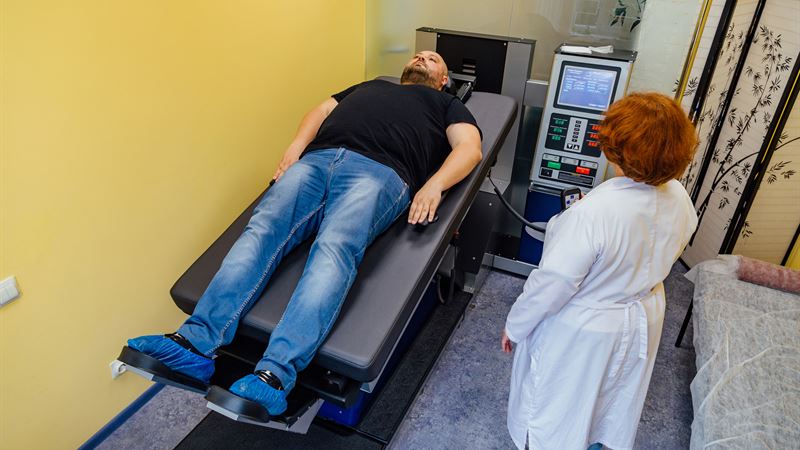
Understanding the nuances between different spinal disc conditions is crucial for effective treatment and recovery. A bulging disc and a herniated disc, while often confused, are distinct in their pathology and impact on the body. Here are the key differences to help you identify and seek appropriate care:
- A bulging disc involves only a part of the disc, primarily the tough outer layer, which protrudes but remains intact.
- A herniated disc, on the other hand, features a crack or tear that allows the inner, softer portion of the disc to protrude outwards.
- While bulging discs might not always produce pain, herniated discs are typically associated with severe discomfort.
Duration and Recovery of Bulging Disc Pain
- Compared to other spinal injuries, the discomfort from a bulging disc generally subsides more quickly.
- The typical recovery period spans around six weeks, during which initial soreness and symptoms diminish significantly.
During this healing phase, the torn fibers within the disc are still fragile and susceptible to further injury.
Many individuals experience persistent pain for several weeks before full recovery. Even after the pain alleviates, residual weakness or discomfort might linger for some time.
Many individuals experience persistent pain for several weeks before full recovery. Even after the pain alleviates, residual weakness or discomfort might linger for some time.
When Should Surgical Intervention Be Considered?
- When conservative treatments such as physical therapy, stretches, or medications fail to reduce symptoms over an extended period, surgical options might be necessary.
- If symptoms persist beyond six months without improvement, consulting a specialist becomes essential to evaluate the need for operative procedures.
Precautions to Take with a Bulging Disc
- Limit prolonged sitting or standing to reduce pressure on your lower back.
- Avoid sitting in soft or unsupportive chairs that might exacerbate the problem.
- Refrain from applying heat packs within the first 48-72 hours after injury, as they may worsen inflammation.
- Maintaining proper posture is vital; avoid slouching or awkward positions that strain your back.
- Prioritize rest and gentle movement, which aid the healing process and prevent stiffness.
Importance of Timely Treatment for a Bulging Disc
- Early intervention prevents the progression of symptoms and minimizes the risk of permanent damage.
- Ignoring a bulging disc can lead to complications such as nerve compression, which may result in chronic pain or neurological deficits.
Failing to address a bulging disc promptly may result in serious complications, including nerve damage or loss of sensation. Some potential adverse effects include:
- A heightened risk of irreversible nerve injury, which could impair mobility or sensation.
- The development of saddle anesthesia—a condition involving numbness in areas supplied by the sacral nerves, affecting the inner thighs, back of the legs, and rectum.