
Comprehensive Guide to Bulging Disc: Symptoms, Causes, and Treatment Solutions
Discover comprehensive insights into bulging discs, including causes, symptoms, diagnostics, and a variety of treatment options. Learn how conservative therapies and minimally invasive surgeries can restore spine health. Understand preventive measures to protect against disc bulging and maintain a healthy back. This detailed guide aims to help individuals recognize symptoms early and pursue effective management strategies for a pain-free life.
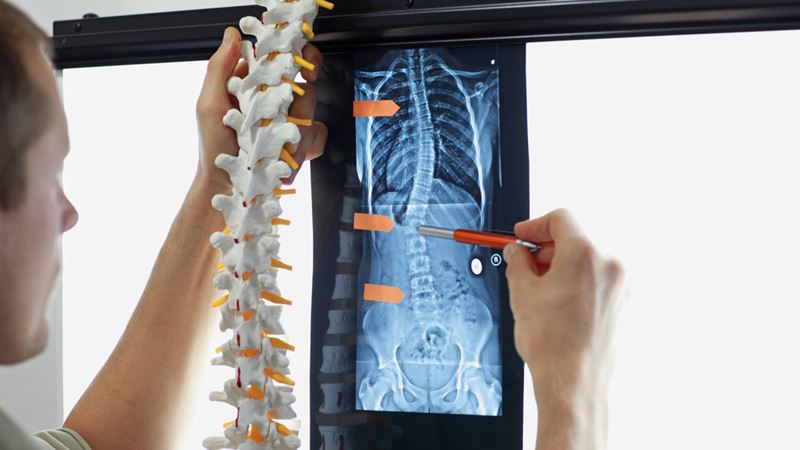
A bulging disc often remains unnoticed in its early stages because it typically does not cause noticeable symptoms. It’s only when the bulging disc presses against a nerve that pain and other issues become evident, significantly affecting mobility and quality of life. Recognizing the symptoms promptly and understanding the underlying causes are crucial for effective management and treatment. This extensive guide explores all facets of bulging disc — including causes, symptoms, diagnostic methods, and both conservative and surgical treatment options — along with tips for prevention.
What is a Bulging Disc?
A bulging disc occurs when one of the rubbery cushions (discs) between the bones (vertebrae) in your spine protrudes beyond its normal boundary. Unlike a herniated disc, where the disc material ruptures, a bulging disc involves the entire disc expanding outward in a uniform manner. This extension can put pressure on nearby nerves, provoking pain, numbness, or weakness in various parts of the body depending on the location of the bulge. In most cases, this physical change develops gradually over time, sometimes with little to no symptoms initially, which can make early detection and treatment challenging.
Primary Causes of Bulging Discs
- Age-related degeneration
- Trauma and injury
- Chronic wear and tear
- Poor posture
- Lifestyle factors and activities
As we grow older, the discs in our spine naturally undergo wear and tear. They lose moisture and elasticity, which weakens their ability to cushion the vertebrae effectively. This degeneration predisposes the discs to bulging and herniation. Age-related changes are inevitable but can be mitigated with proper care.
Sudden trauma from accidents or falls can cause immediate damage leading to a herniated or bulging disc. Such injuries might cause a disc to protrude or rupture, exerting pressure on nerves.
Repeated stress from daily activities such as lifting heavy objects, bending repeatedly, or poor posture can gradually weaken discs. Over time, this stress causes discs to bulge, especially if the load distribution on the spine is uneven.
Consistently maintaining incorrect postures while sitting, standing, or sleeping strains the spine. Improper ergonomics can accelerate disc degeneration and lead to bulging.
Occupations involving long hours of manual labor, frequent bending, lifting, or prolonged sitting contribute significantly to disc stress. Overweight and obesity increase pressure on the spine, elevating the risk of bulging discs.
Additional risk factors include participation in contact sports, genetic predisposition, and lifestyle choices such as smoking, which impacts blood flow and nutrient delivery to discs, weakening their structure.
Recognizing Symptoms of a Bulging Disc
Often, early-stage bulging discs are asymptomatic. However, when pressure on nerves develops, several symptoms may indicate its presence. Recognizing these signs early is key for effective management:
- Pain and numbness in the neck, shoulders, arms, and hands
- Pain radiating in the chest or upper back
- Lumbar region discomfort and sciatic symptoms
This pattern suggests a bulging disc affecting the cervical spine. Pain may be sharp, burning, or throbbing, sometimes accompanied by tingling or numbness.
Indicates issues within the thoracic region. While less common, symptoms here can sometimes mimic cardiac or chest conditions.
Pain localized in the lower back, coupled with leg pain or sciatica, points toward a bulging disc pressing on the sciatic nerve. Severe cases may involve loss of bladder or bowel control, which requires immediate medical attention.
Conservative Treatment Strategies
Initial treatment usually involves non-invasive methods aimed at symptom relief and reducing nerve pressure. After diagnosis via imaging techniques like MRI or CT scans, various approaches can be employed:
- Medications
- Physical therapy
- Lifestyle modifications
- Adjunct therapies
Over-the-counter NSAIDs help reduce inflammation and alleviate pain. In some cases, muscle relaxants or nerve pain medications are prescribed.
Targeted exercises and stretching can strengthen back muscles, improve flexibility, and stabilize the spine. Physical therapists often use modalities like heat, cold therapy, and ultrasound to reduce inflammation.
Maintaining correct posture, avoiding prolonged sitting, and using ergonomic furniture can prevent further deterioration.
Massage therapy, chiropractic care, and acupuncture can provide additional pain relief and muscle relaxation.
Minimally Invasive Surgical Options
When conservative measures fail or if the bulging disc causes severe nerve compression, surgical intervention may be necessary. Advances in medical technology now favor minimally invasive procedures, significantly reducing recovery time and surgical risks:
- Discectomy
- Endoscopic discectomy
- Laser surgery
This procedure involves removing the part of the disc that is pressing on nerves. Unlike traditional open surgery, minimally invasive discectomy uses small incisions and specialized instruments.
Utilizing an endoscope, this technique allows precise removal of disc material with minimal tissue damage, resulting in faster healing.
Laser-assisted procedures can precisely vaporize or reduce herniated disc material, alleviating nerve pressure.
Benefits of minimally invasive surgery include less pain, minimal scarring, reduced hospital stay, and quicker return to daily activities.
Tips for Preventing Bulging Discs
While some risk factors like age are unavoidable, many measures can help prevent or delay disc protrusion:
- Adopt proper ergonomics
- Exercise regularly
- Manage weight effectively
- Cease smoking
- Avoid unnecessary strain
Maintain good posture while working at a desk, sleeping on supportive mattresses, and lifting objects using your legs.
Strengthening core muscles and improving flexibility support spinal health. Low-impact activities like swimming, walking, or yoga are highly recommended.
Extra body weight increases spinal load, heightening bulging disc risk. Maintaining a healthy weight relieves tension on your spine.
Smoking impairs blood flow to spinal discs, accelerating degeneration. Quitting smoking benefits overall health and spinal integrity.
Be mindful of lifting techniques, avoid repetitive bending, and incorporate breaks to reduce sustained spinal stress.
In conclusion, understanding the causes and symptoms of bulging discs is essential for early intervention. Combining preventive strategies with appropriate treatment can significantly improve outcomes and restore spine health.