
In-Depth Analysis of Turmeric and Curcumin: Benefits, Risks, and Usage Insights
Explore the comprehensive health benefits and potential risks of turmeric and curcumin. Learn how to incorporate these natural supplements safely into your daily routine, maximize their benefits, and avoid common pitfalls. Discover their roles in reducing inflammation, supporting skin health, and promoting overall wellness with expert insights and practical tips.
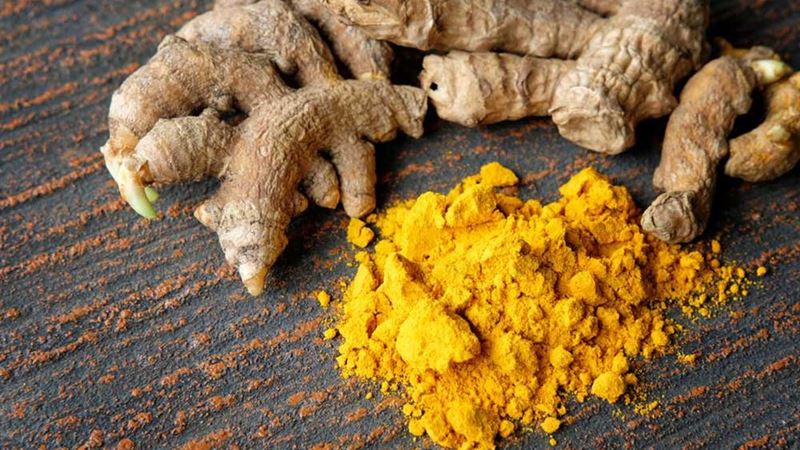
Turmeric, a vibrant yellow spice derived from the rhizomes of the turmeric plant (Curcuma longa), has been used in traditional medicine for centuries. Modern science has validated many of its purported benefits, especially owing to curcumin, its primary bioactive compound. Curcumin possesses potent anti-inflammatory, antioxidant, and even anticancer properties, making it a valuable addition to health and wellness routines. Here’s a detailed exploration of their potential benefits:
- Potent Anti-inflammatory Effects: One of the most celebrated features of turmeric and curcumin is their ability to mitigate inflammation. Chronic inflammation is linked to numerous health conditions, including heart disease, diabetes, and neurodegenerative disorders. Curcumin interacts with various molecular pathways to suppress inflammatory responses, reducing redness, swelling, and discomfort associated with conditions like arthritis.
- Rich in Antioxidant Properties: Free radicals are unstable molecules that can damage cells, leading to premature aging and various diseases. Curcumin acts as a powerful antioxidant, neutralizing these harmful free radicals. It also enhances the activity of the body's endogenous antioxidant enzymes, thereby strengthening overall cellular health and contributing to disease prevention.
- Supports Joint and Bone Health: Arthritis affects millions worldwide, characterized by joint pain and stiffness. The anti-inflammatory and analgesic effects of curcumin have shown promising results in alleviating the symptoms of osteoarthritis and rheumatoid arthritis, providing a natural alternative or complement to conventional medications.
- Enhances Skin Condition: Topically applied turmeric can improve skin health, aiding in reducing blemishes, scars, and uneven skin tone. Its antimicrobial and anti-inflammatory properties help treat skin conditions such as acne, psoriasis, and eczema. Moreover, turmeric's antioxidants combat skin aging by protecting against oxidative stress from environmental pollutants.
- Boosts Digestive and Liver Health: Turmeric stimulates bile production, aiding digestion. Its anti-inflammatory properties also help soothe gastrointestinal inflammation, making it beneficial for conditions like indigestion, bloating, and inflammatory bowel disease. Additionally, turmeric can support liver detoxification processes, promoting overall hepatic health.
Incorporating turmeric and curcumin into your diet can be straightforward. From culinary uses to supplementation, the options are diverse:
- Cooking with Turmeric: Adding turmeric powder to curries, rice dishes, smoothies, and teas is a simple way to enjoy its benefits. Combining it with black pepper enhances curcumin absorption thanks to piperine, a compound in pepper that improves bioavailability.
- Dietary Supplements: Curcumin capsules and extracts offer concentrated doses for targeted supplementation. These are especially useful for those with specific health conditions or difficulty consuming turmeric regularly.
- Topical Applications: Turmeric-based masks and creams can be applied to skin for cosmetic and therapeutic effects, particularly for acne, scars, or skin irritation.
Despite its many health benefits, turmeric and curcumin are not without risks, especially when consumed excessively or through contaminated sources. Understanding these potential side effects is essential for safe use:
- Kidney Stones: Turmeric contains oxalates, which can contribute to kidney stone formation in susceptible individuals. High doses over extended periods should be approached cautiously, especially for people predisposed to nephrolithiasis.
- Food Adulteration and Contamination: Commercial turmeric powders can sometimes be adulterated with cheaper fillers like starches or contaminated with heavy metals, including lead. These adulterants pose health risks and compromise efficacy. Always opt for reputable brands or consider grinding fresh turmeric at home.
- Heavy Metal Concerns: Don’t overlook the potential for turmeric powders to contain excessive lead or other heavy metals, which can accumulate in the body over time and lead to serious health issues, including neurological problems.
- Allergic Reactions and Skin Discoloration: Excessive topical application or long-term use may cause yellow-orange skin discoloration. While usually harmless, it can be permanent in some cases. Allergic reactions, although rare, are also possible.
- Drug Interactions: Turmeric and curcumin can interact with blood thinners and other medications, potentially affecting their efficacy. Consulting a healthcare professional before starting high-dose supplements is recommended.
To maximize benefits and minimize risks, consider the following safety tips:
- Buy turmeric and curcumin supplements from certified, reputable sources.
- Prefer organic turmeric to reduce exposure to pesticides and contaminants.
- Avoid excessive daily doses; moderate intake is typically safe.
- Use black pepper in cooking to improve curcumin absorption.
- Consult healthcare providers prior to long-term supplementation, especially if you have underlying health issues or are on medication.