
Effective Strategies for Treating Swollen Ankles Naturally and Medically
Learn comprehensive and natural ways to treat swollen ankles effectively. This guide covers causes, lifestyle tips, natural remedies, and when to seek medical help, ensuring safe and effective management of ankle edema for improved health and comfort.
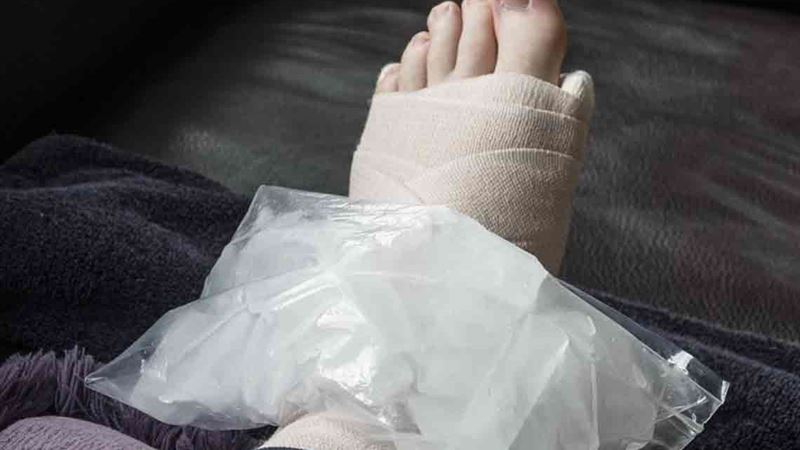
Swelling in the ankles, commonly known as peripheral edema, is a condition characterized by the accumulation of excess fluid in the lower extremities. This swelling can vary in intensity, sometimes presenting as a mild puffiness, while at other times causing significant discomfort or pain. While swelling may occur due to various reasons, it predominantly presents in the ankles and feet because gravity causes fluids to settle in the lower parts of the body. Understanding the underlying causes and exploring both natural and medical treatment options are essential steps toward effective management of swollen ankles.
Before diving into comprehensive treatment methods, it’s important to recognize the common causes that lead to ankle swelling:
- Excess Body Weight
Being overweight exerts additional pressure on the lower limbs and circulatory system, leading to delayed blood flow and fluid retention in the ankles. This increased strain can cause persistent swelling, especially after long periods of standing or sitting. - Poor Posture and Prolonged Inactivity
Standing or sitting in the same position for extended durations hampers blood circulation. This stagnation causes blood and lymph fluids to accumulate in the extremities, resulting in swelling, discomfort, and sometimes muscle damage. - Medication Side Effects
Certain drugs, including hormonal therapies, corticosteroids, NSAIDs, and antidepressants, may induce fluid retention as a side effect, leading to swelling in the feet and ankles. - Injury and Infections
Physical injuries like sprains, fractures, or bruises can trigger swelling as part of the inflammatory response. Additionally, certain infections affecting the blood or lymphatic system can disrupt normal fluid regulation, causing ankle edema. Chronic conditions such as diabetes can also contribute to swelling due to poor blood flow. - Hormonal Fluctuations
Changes in hormonal levels during pregnancy or menstrual cycles influence blood circulation, often leading to water retention and swelling, particularly in the lower limbs. - Underlying Medical Conditions
Serious health issues such as blood clots, preeclampsia in pregnancy, venous insufficiency, and heart, kidney, or liver disorders diminish the body's ability to regulate fluids effectively, resulting in persistent swelling.
Addressing swollen ankles requires a multifaceted approach, combining lifestyle modifications, natural remedies, and medical interventions when necessary. Several strategies are effective in reducing swelling or preventing its recurrence:
- Elevation of Legs
Elevating the legs above heart level is a simple yet highly effective method to promote fluid drainage from the ankles. By placing the feet on pillows or a raised platform, gravitational pull helps redirect excess fluids back into circulation, reducing swelling over time. - Regular Physical Activity
Engaging in moderate exercise stimulates circulation and lymphatic drainage. Activities such as walking, swimming, or cycling for at least 150 minutes weekly can improve overall vascular health and minimize fluid buildup. - Appropriate Clothing Choices
Avoid tight-fitting garments like garters, restrictive socks, or corsets that impede blood flow. Instead, opt for compression stockings or support hose designed to enhance circulation and prevent swelling, particularly during prolonged standing or sedentary periods. - Monitoring Salt Consumption
Excessive sodium intake causes water retention, exacerbating edema. Maintaining a balanced diet with controlled salt levels helps prevent fluid accumulation and supports healthy blood pressure regulation. - Natural Remedies and Lifestyle Adjustments
Incorporating Epsom salt baths, gentle massages, or aromatherapy using essential oils can soothe inflamed tissues and promote circulation. Warm baths with Epsom salts are especially effective, as magnesium helps relax muscles and reduce swelling. - Hydration and Fluid Management
Drinking sufficient water (about 7-8 glasses daily) facilitates detoxification and prevents dehydration, which can worsen fluid retention. Proper hydration dilutes excess salt in the system, aiding in swelling reduction.
Understanding when to seek medical advice is crucial. While many cases of ankle swelling are benign and manageable with lifestyle changes, persistent or severe swelling warrants professional evaluation. It is important to identify and treat underlying health conditions that may contribute to edema.
In conclusion, managing swollen ankles involves a combination of lifestyle modifications, natural remedies, and medical interventions tailored to the cause. Elevation, regular exercise, proper clothing, salt control, hydration, and holistic approaches like baths and massages can substantially alleviate symptoms. Consulting a healthcare provider is essential to rule out serious conditions and to develop an effective, personalized treatment plan.