
Comprehensive Guide to Selecting the Optimal Water Filtration System
Choosing the ideal water filtration system involves understanding various types such as pitchers, undersink, and whole-house filters, along with advanced technologies like reverse osmosis, carbon filtration, and distillation. This comprehensive guide details each system's benefits, costs, and technology, helping consumers make informed decisions for cleaner, safer drinking water tailored to their needs. By considering factors like budget, water quality, and space, users can select a system that ensures safe water for their home or business while enjoying the latest in filtration technology and reliable performance.
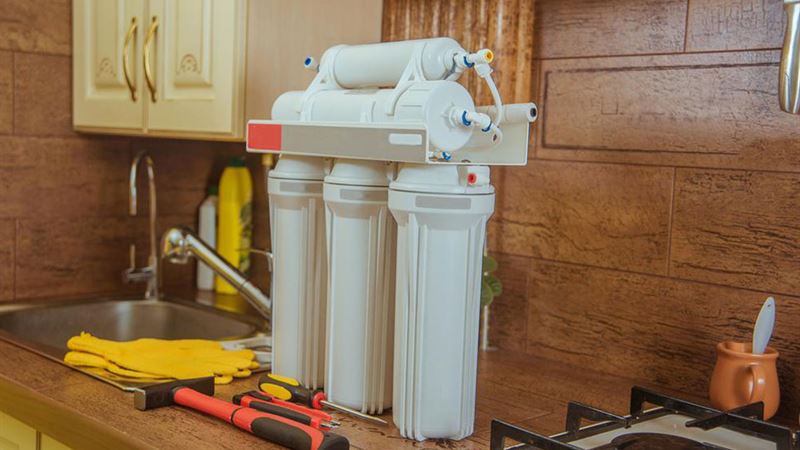
Understanding Different Types of Water Filtration Systems
Water filtration systems come in a broad spectrum, from simple pitchers to complex whole-house systems. The choice depends on your specific needs, water quality, budget, and space constraints. Here’s an overview of the most common types of water filtration units:
- Water Pitchers
As the most straightforward and affordable option, water pitchers employ gravity to filter water through a built-in cartridge. These systems are portable, easy to use, and require minimal installation. They are ideal for small families or individuals who need convenient access to improved drinking water. The cartridges typically contain activated carbon, which removes chlorine, taste, and odor, though they might not eliminate all contaminants. - Undersink Water Filters
Installed beneath the kitchen sink, these systems connect directly to your existing faucet or have a dedicated filtered water faucet. They are designed for higher efficiency and can remove a broader range of impurities such as heavy metals, chemicals, and microorganisms. These filters are perfect for those seeking better quality water without sacrificing countertop space.
- Whole-House Water Filtration Systems
For comprehensive protection, entire households or commercial spaces can benefit from whole-house filtration. These systems are installed at the main water entry point and treat water before it reaches taps, appliances, and other fixtures. They effectively remove chlorine, sediment, chloramine, organic compounds, and other pollutants, ensuring that every drop of water used within the premise is clean and safe.
Advanced Technologies Employed in Water Filtration Devices
The effectiveness of a filtration system largely depends on its technology. Here are some of the most widely used filtering methods:
- Reverse Osmosis (RO)
This highly effective method uses a semipermeable membrane to remove a wide array of contaminants, including bacteria, viruses, heavy metals, nitrates, and salts. During the process, water is pushed through the membrane under pressure, leaving impurities behind. Despite its cleaning power, RO systems tend to waste some water and require maintenance, including regular membrane replacements. - Activated Carbon Filtration
Commonly found in pitcher filters and under-sink systems, activated carbon absorbs impurities such as chlorine, volatile organic compounds (VOCs), and other chemicals that can affect taste and odor. Improvements in carbon technology mean better removal efficiencies, making it a popular choice for improving water quality at a reasonable cost. - Distillation
This process involves boiling water and collecting the resulting vapor, which is then condensed into pure water. Distillation effectively removes most contaminants, including bacteria, viruses, and chemicals. However, it’s energy-intensive and slower, typically suitable for specialized applications rather than daily household use.
Cost Considerations and User Feedback
The price of water filtration systems varies significantly based on factors such as brand reputation, technology type, capacity, and installation complexity. Basic pitcher filters are often budget-friendly, while whole-house systems can be a sizeable investment. It’s crucial to evaluate your water quality needs and budget constraints when selecting a system. Additionally, reading user reviews and feedback available online can provide valuable insights into real-world performance, maintenance requirements, and customer satisfaction levels. Prioritize systems with positive reviews and reliable customer support to ensure long-term satisfaction and effective water treatment.