
Comprehensive Guide to Water Filtration and Purification Technologies
This detailed guide explores the differences between water filters and purifiers, explaining their functions, benefits, and ideal use cases. It provides an in-depth look at various types of filtration and purification systems, helping consumers make informed decisions based on water quality. Whether for household, industrial, or commercial applications, understanding these technologies ensures access to clean, safe drinking water and improved water quality overall.
Understanding the Distinction Between Water Filters and Purifiers
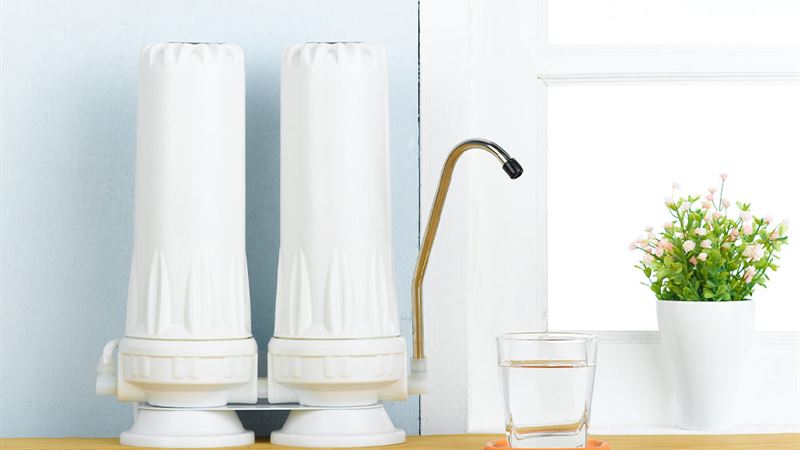
Accessing clean, safe drinking water is a fundamental necessity. However, not all water treatment devices serve the same purpose. Water filters and water purifiers are two primary options available, each with distinctive operations and benefits. Fully understanding these differences helps consumers choose the right equipment tailored to their specific water quality challenges and health requirements.
**Water filters** are devices designed primarily to remove physical particles and some chemical impurities from water through various filtering mechanisms. They typically utilize media such as activated carbon, ceramic, or resin to trap contaminants. These are highly effective against suspended solids like sand, silt, rust, and certain heavy metals, effectively enhancing the taste and clarity of the water. They are ideal for reducing sediments, chlorine, pesticides, and scale buildup, providing a noticeable improvement in water quality for everyday household uses.
**Water purifiers**, on the other hand, employ more advanced treatment processes aimed at eliminating a broader range of impurities, including microorganisms and chemical contaminants. They are capable of effectively killing bacteria, viruses, protozoa, and removing dissolved solids, heavy metals, and harmful chemicals. Common purification technologies include reverse osmosis (RO), ultraviolet (UV) disinfection, distillation, and deionization. These systems are especially critical in regions where water sources are heavily polluted or contaminated with biological and chemical hazards, ensuring water safety for drinking and cooking.
**Applications of Water Filters**
The primary function of water filters is to improve water quality at the physical and chemical levels for household use. Different types of filters serve various purposes:
• **Whole house filters** are installed at the main water line, providing comprehensive treatment for all water outlets in the residence. They are capable of removing sediments, chlorine, algae, and certain metallic elements like copper and zinc, thus protecting plumbing and appliances, and improving overall water taste.
• **Point-of-use filters** attach directly to faucets or under the sink, focusing on providing clean drinking water. These often incorporate activated carbon filters that excel at removing chlorine, odors, pesticides, and organic chemicals, making water safe and pleasant to drink.
• **Shower filters** are designed to be attached to showerheads, especially beneficial in areas with hard water. They help reduce chemical residues like chlorine and chloramine that can irritate skin and hair, enhancing personal comfort and health.
**Water Purification Systems**
Water purifiers are equipped with more sophisticated mechanisms to eradicate biological contaminants and certain chemical impurities, making them vital in compromised water environments. They address the entire spectrum of water contaminants, offering safer drinking water with significantly higher purification rates:
• **Reverse osmosis purifiers** utilize semi-permeable membranes capable of removing up to 99% of contaminants, including salts, heavy metals, and bacteria. The process involves forcing water through membranes under pressure, leaving most impurities behind.
• **Distillation-based purifiers** boil water, capturing and condensing the steam, which leaves behind dissolved impurities and biological contaminants. This method effectively kills bacteria and protozoa, delivering highly pure water.
• **UV purifiers** employ ultraviolet light to deactivate bacteria and viruses, rendering water microbiologically safe without removing dissolved solids.
• **Ion exchange purifiers** remove hardness and specific heavy metals through chemical exchange processes, greatly enhancing water quality for sensitive applications.
**Key Differences Between Water Filters and Purifiers**
Understanding the specific distinctions helps in selecting the appropriate water treatment solution for your needs:
• **Scope of Purification**
Water filters primarily target physical particles and some chemicals, such as chlorine and pesticides. They are excellent for improving clarity, taste, and odor but may not eliminate biological pathogens or dissolved chemicals effectively. They typically do not remove salts or total dissolved solids (TDS).
• **Effectiveness**
Water purifiers encompass advanced technology like reverse osmosis and UV sterilization, capable of removing a wide spectrum of impurities, including bacteria, viruses, heavy metals, chemicals, and TDS, therefore providing safer drinking water.
• **Functionality**
Filters focus on physical removal; purifiers often include multiple stages of purification for comprehensive treatment. While filters can be simple and easy to maintain, purifiers often require more complex maintenance and power supply.
• **Location and Use Cases**
Filters are sufficient where water quality is relatively good, with minor contamination issues. For heavily polluted water sources—such as borewells with biological and chemical contamination—purifiers are the recommended choice.
**Choosing Between Filters and Purifiers**
Investing in water treatment devices hinges on understanding your local water quality. Conduct tests or consult water quality reports to determine the level and types of contaminants present. Modern devices often come with smart features such as indicator lights, alert systems for filter replacement, and digital displays to inform users about water quality status.
**In Summary**
Both water filters and purifiers are vital components of a healthy household water system, each serving specific needs. If your water source has minor impurities and you aim to improve taste and clarity, a high-quality filter will suffice. However, for regions plagued with biological contamination, bacterial presence, or high chemical pollution, a comprehensive purification system is indispensable. By assessing the specific water quality issues in your area and understanding the functionalities and capabilities of each device, you can make an informed choice that guarantees safe, clean, and great-tasting water for you and your family.
Always consider consulting water treatment professionals or experts to select the most suitable system based on precise water analysis. Technological advancements continue to introduce smart, efficient, and eco-friendly water treatment options, making it easier than ever to access pure water at home.
**Water filters** are devices designed primarily to remove physical particles and some chemical impurities from water through various filtering mechanisms. They typically utilize media such as activated carbon, ceramic, or resin to trap contaminants. These are highly effective against suspended solids like sand, silt, rust, and certain heavy metals, effectively enhancing the taste and clarity of the water. They are ideal for reducing sediments, chlorine, pesticides, and scale buildup, providing a noticeable improvement in water quality for everyday household uses.
**Water purifiers**, on the other hand, employ more advanced treatment processes aimed at eliminating a broader range of impurities, including microorganisms and chemical contaminants. They are capable of effectively killing bacteria, viruses, protozoa, and removing dissolved solids, heavy metals, and harmful chemicals. Common purification technologies include reverse osmosis (RO), ultraviolet (UV) disinfection, distillation, and deionization. These systems are especially critical in regions where water sources are heavily polluted or contaminated with biological and chemical hazards, ensuring water safety for drinking and cooking.
**Applications of Water Filters**
The primary function of water filters is to improve water quality at the physical and chemical levels for household use. Different types of filters serve various purposes:
• **Whole house filters** are installed at the main water line, providing comprehensive treatment for all water outlets in the residence. They are capable of removing sediments, chlorine, algae, and certain metallic elements like copper and zinc, thus protecting plumbing and appliances, and improving overall water taste.
• **Point-of-use filters** attach directly to faucets or under the sink, focusing on providing clean drinking water. These often incorporate activated carbon filters that excel at removing chlorine, odors, pesticides, and organic chemicals, making water safe and pleasant to drink.
• **Shower filters** are designed to be attached to showerheads, especially beneficial in areas with hard water. They help reduce chemical residues like chlorine and chloramine that can irritate skin and hair, enhancing personal comfort and health.
**Water Purification Systems**
Water purifiers are equipped with more sophisticated mechanisms to eradicate biological contaminants and certain chemical impurities, making them vital in compromised water environments. They address the entire spectrum of water contaminants, offering safer drinking water with significantly higher purification rates:
• **Reverse osmosis purifiers** utilize semi-permeable membranes capable of removing up to 99% of contaminants, including salts, heavy metals, and bacteria. The process involves forcing water through membranes under pressure, leaving most impurities behind.
• **Distillation-based purifiers** boil water, capturing and condensing the steam, which leaves behind dissolved impurities and biological contaminants. This method effectively kills bacteria and protozoa, delivering highly pure water.
• **UV purifiers** employ ultraviolet light to deactivate bacteria and viruses, rendering water microbiologically safe without removing dissolved solids.
• **Ion exchange purifiers** remove hardness and specific heavy metals through chemical exchange processes, greatly enhancing water quality for sensitive applications.
**Key Differences Between Water Filters and Purifiers**
Understanding the specific distinctions helps in selecting the appropriate water treatment solution for your needs:
• **Scope of Purification**
Water filters primarily target physical particles and some chemicals, such as chlorine and pesticides. They are excellent for improving clarity, taste, and odor but may not eliminate biological pathogens or dissolved chemicals effectively. They typically do not remove salts or total dissolved solids (TDS).
• **Effectiveness**
Water purifiers encompass advanced technology like reverse osmosis and UV sterilization, capable of removing a wide spectrum of impurities, including bacteria, viruses, heavy metals, chemicals, and TDS, therefore providing safer drinking water.
• **Functionality**
Filters focus on physical removal; purifiers often include multiple stages of purification for comprehensive treatment. While filters can be simple and easy to maintain, purifiers often require more complex maintenance and power supply.
• **Location and Use Cases**
Filters are sufficient where water quality is relatively good, with minor contamination issues. For heavily polluted water sources—such as borewells with biological and chemical contamination—purifiers are the recommended choice.
**Choosing Between Filters and Purifiers**
Investing in water treatment devices hinges on understanding your local water quality. Conduct tests or consult water quality reports to determine the level and types of contaminants present. Modern devices often come with smart features such as indicator lights, alert systems for filter replacement, and digital displays to inform users about water quality status.
**In Summary**
Both water filters and purifiers are vital components of a healthy household water system, each serving specific needs. If your water source has minor impurities and you aim to improve taste and clarity, a high-quality filter will suffice. However, for regions plagued with biological contamination, bacterial presence, or high chemical pollution, a comprehensive purification system is indispensable. By assessing the specific water quality issues in your area and understanding the functionalities and capabilities of each device, you can make an informed choice that guarantees safe, clean, and great-tasting water for you and your family.
Always consider consulting water treatment professionals or experts to select the most suitable system based on precise water analysis. Technological advancements continue to introduce smart, efficient, and eco-friendly water treatment options, making it easier than ever to access pure water at home.