
Comprehensive Guide to Varicose Vein Specialists: Expertise, Treatment Strategies, and Patient-Centered Care
Discover the essential role of specialized vein doctors in diagnosing and treating varicose veins. Learn about advanced minimally invasive procedures, careful patient management, and how to choose the right specialist for optimal results. Improve your vascular health today with expert care that combines innovation and personalized treatment strategies for lasting relief and enhanced quality of life.
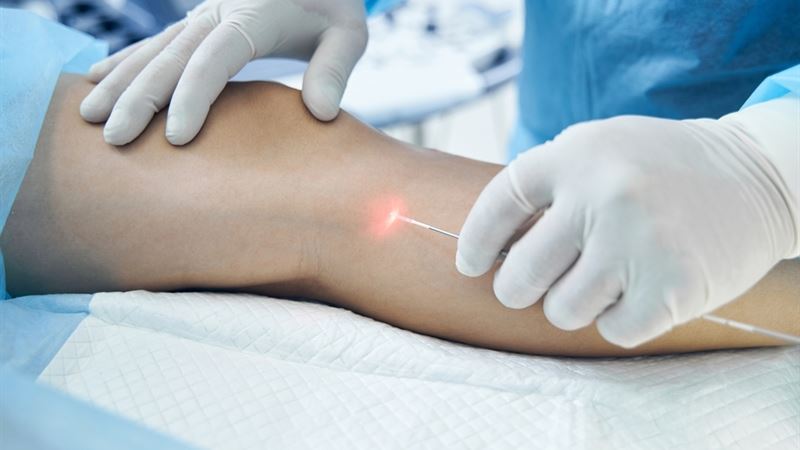
Understanding the intricacies of varicose veins and the expertise required to treat them effectively can help patients feel more confident in seeking care. This article aims to shed light on the comprehensive approach used by modern vein specialists, emphasizing minimally invasive procedures, patient safety, and long-term outcomes. Additionally, we provide valuable insights into patient management, lifestyle modifications, and the importance of ongoing follow-up care to prevent recurrence.
Varicose veins are more than just a cosmetic nuisance; they are a medical condition that requires precise assessment and personalized treatment. Expert vascular specialists or phlebologists possess in-depth knowledge of the venous system, enabling them to distinguish between benign aesthetic concerns and underlying health issues. These specialists often have advanced training in vascular ultrasound, minimally invasive procedures, and postoperative care, ensuring optimal results and patient safety. Their role extends beyond treatment—lifestyle guidance, prevention strategies, and long-term monitoring are integral parts of comprehensive vein management.
Diagnosing varicose veins accurately is crucial for choosing the appropriate treatment plan. Experienced specialists rely on thorough patient history, physical examination, and advanced imaging modalities such as Doppler ultrasound to evaluate the extent and severity of venous disease. These imaging tools help identify issues like venous reflux—where blood backflows due to malfunctioning valves—and vein dilation. Recognizing the pattern and location of affected veins informs the clinician’s decision-making, ensuring targeted therapy that minimizes risks and enhances outcomes.
Modern vascular medicine offers multiple minimally invasive approaches tailored to different patient needs. The goal is to eliminate symptoms, improve appearance, and prevent future complications with minimal downtime and discomfort. Some of the most effective and widely used treatments include:
- Sclerotherapy
-
Sclerotherapy involves injecting a specially formulated solution into the affected veins, causing the vessel walls to collapse and stick together. Over time, these veins are absorbed by the body and fade from view. It is especially suitable for small varicose veins and spider veins, offering a quick, painless solution with minimal side effects.
- Endovenous Laser Therapy (EVLT)
-
EVLT employs laser energy delivered via a fiber inserted into the problematic vein. The heat generated seals the vein shut, redirecting blood flow to healthier vessels. The procedure is performed under local anesthesia, is minimally invasive, and typically requires no significant downtime, allowing patients to return to normal activities swiftly.
- Radiofrequency Ablation (RFA)
-
Similar to EVLT, RFA uses high-frequency radio waves to generate heat, closing the defective veins. This technique offers a quick recovery, high success rates, and minimal discomfort, making it a preferred choice for many patients with large or symptomatic varicose veins.
- Ambulatory Phlebectomy
-
This surgical procedure involves extracting enlarged veins through tiny skin incisions. Performed under local anesthesia, it is highly effective for larger varicose veins that do not respond well to less invasive methods. The procedure is usually outpatient, with minimal recovery time.
- Compression Therapy & Lifestyle Modifications
-
While not a standalone cure, compression stockings can significantly alleviate symptoms by enhancing venous return and reducing vein swelling. Combining compression with other treatments, along with lifestyle changes like regular exercise, weight management, and avoiding prolonged standing or sitting, can improve long-term outcomes and reduce recurrence risks.
Successful varicose vein treatment doesn’t end after the procedure. Continuous follow-up and patient education are vital components of comprehensive care. Specialists monitor healing, check for signs of recurrence, and provide guidance on lifestyle modifications to maintain vascular health. Patients are encouraged to engage in regular physical activity, control weight, and adhere to medical advice to prevent reappearance of veins. Proper postoperative care minimizes complications and optimizes long-term results.
Choosing the right healthcare professional is a critical step toward effective treatment. Consider the following aspects to ensure you receive the highest quality care:
- Credentials and Experience
-
Look for board-certified vascular surgeons or interventional radiologists with specific expertise in venous diseases. Physicians with extensive experience in minimally invasive vein treatments are better equipped to deliver successful outcomes.
- Patient Feedback and Outcomes
-
Reviews from previous patients and documented treatment success stories provide insight into the quality of care, professionalism, and patient satisfaction.
- Range of Treatment Options
-
Ensure that the specialist offers a comprehensive array of minimally invasive procedures and can tailor treatments based on your individual condition, preferences, and overall health.
- Communication and Consultation
-
A dedicated specialist should be willing to thoroughly explain your condition, discuss all available treatment options, and answer your questions, allowing you to make informed decisions about your vascular health.
varicose veins are a prevalent condition that can significantly affect both appearance and health. Seeking care from a qualified varicose vein specialist ensures accurate diagnosis, effective treatment, and ongoing management to prevent recurrence. Thanks to advances in minimally invasive techniques, most patients experience minimal discomfort, rapid recovery, and excellent cosmetic outcomes. Choosing a skilled and experienced specialist based on credentials, treatment options, and patient reviews is vital to achieving the best results. With appropriate care, patients can enjoy healthier, more comfortable lives free from the burdens of varicose veins.