
Comprehensive Guide to Maintaining Healthy Blood Glucose Levels and Managing Diabetes
Learn the importance of maintaining healthy blood glucose levels through effective management and lifestyle habits. This comprehensive guide covers how blood sugar works, testing methods, and practical tips to prevent diabetes and related health issues. Empower yourself with knowledge and take control of your health today.
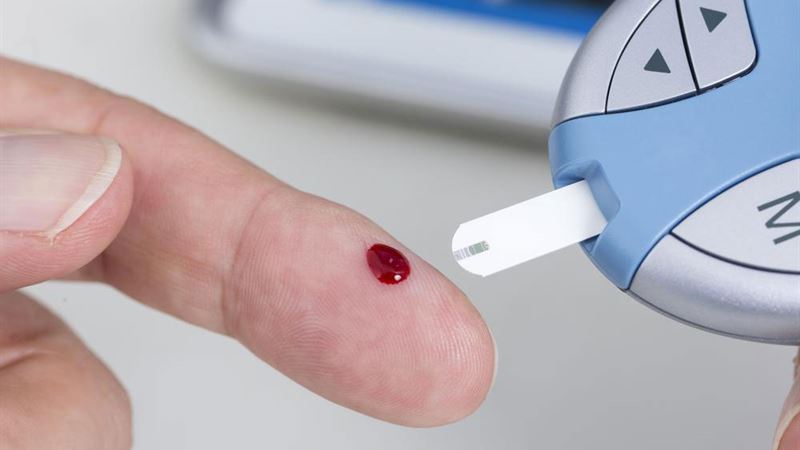
Your body's blood sugar, or glucose, plays a crucial role in supplying energy to your cells. Both elevated and low blood glucose levels can pose significant health risks, making it essential to monitor and control them effectively. Proper blood sugar management is central to maintaining overall health and preventing chronic conditions such as diabetes, which has become increasingly prevalent across all age groups.
Blood glucose levels are regulated by a complex interplay involving hormones, primarily insulin. When you consume food, especially carbohydrates, your blood sugar rises, prompting your pancreas to release insulin. This hormone facilitates the uptake of glucose into your cells, thereby lowering blood sugar levels and providing energy for your body's functions. However, issues arise when insulin production is insufficient, or the body's cells become resistant to insulin's effects, leading to elevated blood sugar levels or hyperglycemia.
Persistent high blood glucose levels can result in serious health complications, including damage to your eyes (diabetic retinopathy), kidneys (diabetic nephropathy), nerves (peripheral neuropathy), and increase your risk of cardiovascular diseases. Conversely, low blood sugar (hypoglycemia) can cause symptoms like dizziness, confusion, weakness, and, in severe cases, loss of consciousness.
Understanding the importance of maintaining blood sugar within optimal ranges is vital for everyone, especially those diagnosed with diabetes or prediabetes. While genetics play a role, lifestyle choices such as balanced nutrition, regular physical activity, and stress management significantly influence blood sugar control. For individuals with diabetes, medication adherence and routine monitoring become integral to managing the condition effectively.
Monitoring blood glucose levels involves various diagnostic tests. The fasting blood glucose test, which measures glucose after fasting for 8-12 hours, is the most common initial assessment. This helps identify whether blood sugar levels are within normal limits or indicate prediabetes or diabetes. Additional tests include the random blood sugar test, performed at any time regardless of meals; the oral glucose tolerance test (OGTT), which assesses body's response after consuming a glucose-rich beverage; and the glycohemoglobin (HbA1c) test, reflecting average blood glucose levels over 2-3 months. These tests enable healthcare providers to accurately diagnose and tailor treatment plans.
To maintain optimal blood sugar levels, adopting healthy lifestyle habits is crucial. Consuming balanced meals at regular intervals, avoiding processed and sugary foods, incorporating physical activity like walking, cycling, or swimming, and managing stress through relaxation techniques can make a substantial difference. When diagnosed with diabetes, medication prescribed by your healthcare provider combined with these lifestyle measures can significantly improve blood sugar control.
It is also essential to educate oneself about the signs of abnormal blood sugar levels. Recognizing symptoms early allows for prompt intervention, reducing the risk of complications. Regular follow-up appointments, routine testing, and monitoring at home with glucose meters should become part of your health management routine.
In conclusion, controlling blood glucose is a pivotal component of maintaining overall health and preventing chronic illnesses. With awareness, consistent self-care, adherence to medical advice, and lifestyle modifications, managing blood sugar levels becomes a manageable task. Empower yourself with knowledge, take proactive steps, and consult healthcare professionals regularly to ensure your health remains in optimal balance.