
Comprehensive Overview of Meniscus Tear: Symptoms, Causes, and Advanced Treatment Strategies
Learn about meniscus tears including their causes, symptoms, and state-of-the-art treatment solutions. This comprehensive guide helps you understand how to prevent, diagnose, and manage meniscus injuries effectively to restore knee health and functionality.
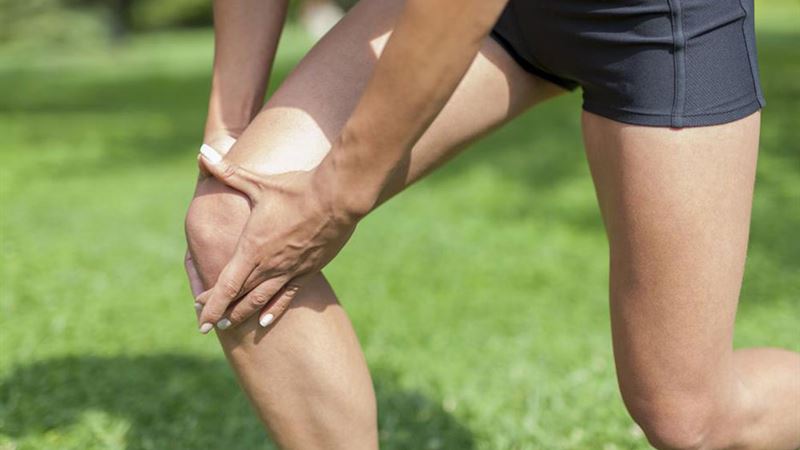
Meniscus injuries are one of the most common issues affecting the knee joint, especially among athletes and active individuals. Understanding what a meniscus tear entails, recognizing the symptoms, and knowing the available treatment options are essential steps toward proper management and recovery. This extensive guide delves deep into the anatomy of the meniscus, explores various causes behind tears, highlights symptoms to watch for, and discusses both conservative and surgical treatment methods in detail.
What is a Meniscus Tear?
Understanding the Significance of Menisci in Knee Function
Common Causes Leading to Meniscus Tears
Trauma and Overuse
Underlying Factors Contributing to Meniscus Tears
Major Symptoms Indicating a Meniscus Tear
- Intense Pain in the Knee Region
The onset of pain, especially during movement, is a prominent symptom. Moving the knee or bearing weight may intensify discomfort. If pain is severe, refrain from exerting pressure and seek medical evaluation promptly. - Swelling and Inflammation
Swelling often accompanies injury due to inflammation or bleeding within the joint. Appearance of swelling after activity or trauma warrants attention. - Loss of Support and Stability
The knee may feel unstable or give way when walking or standing, indicating compromised joint stability due to cartilage damage. - Limited Range of Motion and Stiffness
Difficulty in bending or straightening the knee, accompanied by stiffness, suggests injury requiring medical assessment. - Audible Noise or Grinding
Crackling or popping sounds during movement are common indicators of joint space irregularities, often linked to meniscal tears.
What to Do If You Suspect a Meniscus Tear
How Is a Meniscus Tear Diagnosed?
Available Treatment Options for Meniscus Tears
Non-Invasive Treatment Approaches
Non-surgical methods are often the first line of management, especially for minor or degenerative tears. These include:- Rest and activity modification - Avoid activities that cause pain or worsen the injury. Resting the knee allows healing and reduces inflammation.
- Ice application - Cold packs applied to the affected area for 15-20 minutes every few hours reduce swelling and pain.
- Compression and elevation - Using an elastic bandage or knee brace along with elevating the leg minimizes swelling.
- Physical therapy - Guided exercises strengthen surrounding muscles, improve joint stability, and restore function.
- Medication - Over-the-counter pain relievers like NSAIDs help manage discomfort.
- Supportive Devices - Braces or orthotic supports provide additional stabilization during recovery, reducing stress on the knee.
Surgical Treatment Options
When conservative measures fail to relieve symptoms or if the tear is severe, surgical intervention becomes necessary. Arthroscopic surgery is the most common procedure performed, involving minimal invasiveness and fast recovery.- Meniscus Repair - Suitable for tears located on the outer edge of the meniscus, where blood supply allows healing. The surgeon sutures the torn fragments to encourage natural healing.
- Partial Meniscectomy - Involves removing the damaged portion of the meniscus if repair isn't feasible. This procedure alleviates symptoms but may influence long-term joint health.
- Meniscus Transplantation - A more advanced option involving replacing the damaged meniscus with a donor tissue, typically in cases of extensive damage or after previous surgeries.
Prognosis and Prevention Strategies
Early intervention significantly improves the prognosis of meniscus injuries. Addressing tears promptly can help preserve joint function and delay degenerative changes. Preventative measures include regular strengthening exercises, maintaining a healthy weight, wearing appropriate protective gear during sports, and avoiding unnecessary stress on the knees. In conclusion, understanding the complexity of meniscus injuries, recognizing symptoms early, and pursuing appropriate treatment options are key components of effective management. With advances in minimally invasive surgeries and dedicated rehabilitation protocols, many individuals regain full knee function, resuming their normal activities without long-term complications. Always consult healthcare professionals for personalized diagnosis and guidance to ensure optimal recovery and knee health.