
Comprehensive Guide to Heel Pain Management and Healing Strategies
This detailed guide explores various heel pain types like plantar fasciitis, bursitis, and heel bumps, offering comprehensive treatment options such as medication, physiotherapy, orthotics, shock wave therapy, and surgery. It emphasizes the importance of accurate diagnosis and personalized care. The article provides practical tips for managing heel pain at home and highlights the significance of early medical consultation to prevent chronic issues. Ideal for patients seeking in-depth information on heel pain management and rehabilitation strategies.
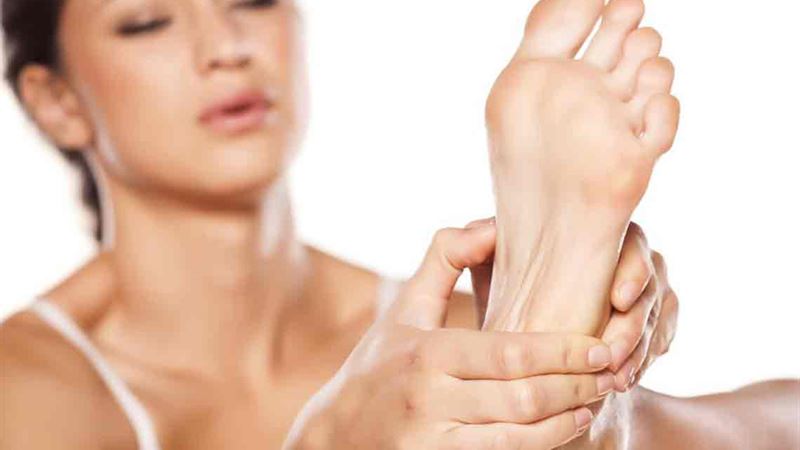
Heel pain is a common complaint affecting individuals of all ages, often caused by mechanical issues but sometimes linked to more complex conditions such as arthritis, neurological disorders, or infections. Understanding the underlying cause of heel discomfort is essential for effective treatment and quick recovery. Whether it's sudden pain or persistent discomfort, it's crucial to identify the specific type of heel pain and explore appropriate treatment options.
Exploring Different Types of Heel Pain
Heel pain manifests in various forms, each resulting from different causes. Recognizing these types can guide patients toward suitable treatment plans.
Plantar Fasciitis: This is the most prevalent form of heel pain. It occurs due to inflammation or swelling of the plantar fascia, a thick band of tissue that spans the bottom of the foot, connecting the heel bone to the toes. This condition typically causes a stabbing pain, especially noticeable with the first steps in the morning or after periods of inactivity.
Heel Bursitis: In this condition, the bursa—a fluid-filled sac that cushions the heel—becomes inflamed. It often results from sudden trauma, repeated pressure, or ill-fitting footwear, leading to pain at the back or bottom of the heel. This inflammation can cause considerable discomfort and swelling.
Heel Bumps: Commonly seen in adolescents, heel bumps develop due to irritation of the heel growth plate, which is still developing in younger individuals. Tightly fitted shoes can exacerbate this condition, producing painful lumps or bumps at the heel's protrusion.
Other Causes of Heel Pain
Additional causes include Achilles tendinopathy, nerve entrapment, heel spurs, and stress fractures. Each type has distinct symptoms and requires tailored treatment approaches.
Effective Heel Pain Relief Methods
Addressing heel pain depends on its specific origin. Conservative management is typically the first course of action, often leading to successful recovery without surgical intervention. Here, we delve into various treatment options tailored for each condition.
Managing Plantar Fasciitis
Most individuals suffering from plantar fasciitis respond well to non-invasive treatments. These methods focus on reducing inflammation, alleviating pain, and promoting tissue healing.
Non-Steroidal Anti-Inflammatory Drugs (NSAIDs): Medications such as ibuprofen and naproxen help decrease inflammation and pain. These drugs are effective in managing acute discomfort and are generally safe when used as per medical advice. They do not contain steroids and typically do not cause drowsiness, making them suitable for daily use in many cases.
Corticosteroid Injections: When NSAIDs fail to provide relief, localized corticosteroid injections can be administered to reduce inflammation. Proper ultrasound-guided injections ensure precise placement, minimizing risks. Be cautious, as repeated injections may weaken the plantar fascia, risking tissue rupture.
Physical Therapy and Exercise: Engaging in tailored stretching and strengthening routines can significantly improve symptoms. Therapists can demonstrate exercises targeting the plantar fascia, Achilles tendon, and calf muscles, enhancing foot stability. Taping techniques, like athletic taping, support the arch during daily activities, reducing strain on affected tissues.
Night Splints: Wearing a splint during sleep keeps the foot in a dorsiflexed position, gently stretching the plantar fascia and Achilles tendon overnight. This continuous stretching can alleviate morning pain and improve mobility.
Orthotics and Foot Supports: Custom or over-the-counter insoles designed to support the arch can reduce stress on the inflamed tissue. Orthotics distribute pressure evenly across the foot, facilitating healing.
Shock Wave Therapy: This advanced treatment involves directing sound waves at the heel to stimulate healing and reduce inflammation. Shockwave therapy is usually reserved for chronic or resistant cases where other treatments have not yielded results.
Surgical Options: In refractory cases, surgical procedures may be necessary. Surgical intervention typically involves releasing part of the plantar fascia or removing heel spurs. These procedures are considered only after exhaustive conservative therapies and come with potential risks, including weakening of the foot arch.
Managing Heel Bursitis
Treatment begins with accurate diagnosis to differentiate bursitis from other heel conditions. Rest and activity modification are fundamental components of management. Using cushioned footwear or heel cups minimizes pressure on the inflamed bursa.
In persistent cases, corticosteroid injections may be administered to decrease swelling and pain. Adequate rest enables the bursa to recover, alleviating symptoms effectively.
Addressing Heel Bumps
Heel bumps, often linked to growth plate irritation in adolescents, can be managed with conservative measures such as ice packs to reduce swelling and pain. Changing to well-fitting, cushioned shoes prevents further irritation. Heel pads, silicone cushions, or Torsion grip pads provide temporary relief by cushioning the heel.
For persistent or severe bumps, cortisone injections might offer relief. In cases where conservative treatments fail, surgical removal of the bumps may be necessary to restore comfort and function.
Home Care Tips and Lifestyle Adjustments
Minor heel pain can often be relieved with simple home remedies and lifestyle modifications. Using ice packs to reduce inflammation, wearing well-cushioned footwear, and avoiding high-impact activities are recommended. Resting the foot and elevating it when possible can prevent aggravation of pain.
Consult a healthcare professional if symptoms persist or worsen. Early intervention can prevent the progression of heel conditions and facilitate quicker recovery.