
Comprehensive Guide to Managing and Treating Dry Eyes Effectively
Discover comprehensive strategies for diagnosing, managing, and treating dry eyes effectively. This detailed guide explains the causes, symptoms, and latest treatments, including medical procedures and lifestyle tips, helping you restore eye comfort and health. Seek professional advice for personalized care and enjoy clearer, more comfortable vision with proven remedies tailored to your needs.
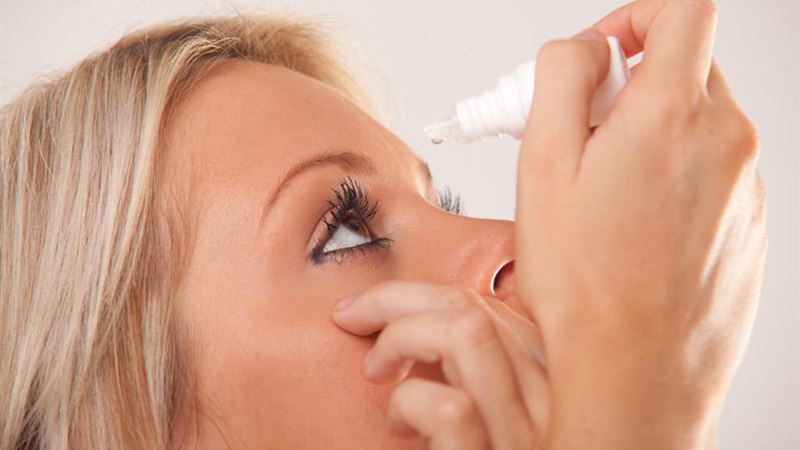
Dry eyes are a common yet often overlooked condition that can significantly impact your daily comfort and overall eye health. This condition occurs when your eyes do not produce enough tears or when the tears evaporate too quickly, leading to discomfort, irritation, and potential damage to the cornea if left untreated. Understanding the causes, symptoms, and available treatments for dry eyes can help you manage this condition more effectively and improve your quality of life.
Understanding the Anatomy of Tears and Why Dry Eyes Occur
Our eyes rely on a complex tear film to keep the surface moist, clear, and free from irritation. This tear film is produced by the lacrimal glands located at the outer corners of each eye. These glands secrete tears composed of water, oils, mucus, and antibodies — all working together to lubricate and protect the eyes.
Healthy tear production maintains a delicate balance between tear creation and evaporation. When this balance is disrupted, either due to decreased tear production or increased tear evaporation, dry eyes can develop. Chronic dry eyes can lead to inflammation, corneal abrasions, and susceptibility to infections, which may threaten vision if not properly managed.
Recognizing the Symptoms of Dry Eyes
Dry eye syndrome manifests with a variety of uncomfortable symptoms. Being aware of these signs can help you seek prompt treatment. Common symptoms include:
- Persistent discomfort in the eyes, often described as a gritty or sandy sensation
- Increased eye strain, especially after prolonged screen time or reading
- Redness and inflammation of the eye surface
- Irritation and a burning sensation often accompany dryness
- Sensitivity to bright light or glare
- Frequent eye watering or reflex tearing, as the eyes attempt to compensate
- Itching, foreign body sensation, or a feeling of dryness
Why Do Dry Eyes Occur? Common Causes Explained
Dry eyes can result from various factors, ranging from lifestyle habits to underlying health conditions. The most common reasons include:
- Extended use of digital devices such as computers, tablets, or smartphones, leading to decreased blinking and tear evaporation
- Environmental factors like exposure to wind, smoke, or air conditioning that accelerate tear evaporation
- Prolonged exposure to air-conditioned or heated environments
- Use of drying cosmetics or contact lenses
- Age-related decline in tear production, especially after menopause
- Side effects of certain medications, including antihistamines, antidepressants, and blood pressure drugs
- Underlying health conditions such as autoimmune disorders like Sjogren’s syndrome, rheumatoid arthritis, and other collagen vascular diseases that affect tear glands
- Eye surgeries, including LASIK, which may temporarily impair tear production
Understanding these causes helps in preventing and managing dry eyes more effectively. Lifestyle modifications alone can sometimes mitigate mild symptoms, but persistent or severe cases require medical intervention.
Diagnosing Dry Eye Syndrome
If you experience symptoms that interfere with your vision or comfort, consulting an eye specialist is crucial. Ophthalmologists evaluate dry eyes through a variety of tests, including:
- Schirmer’s Test: Measures tear production by placing a small strip of filter paper inside the lower eyelid
- Tear breakup time (TBUT): Assesses tear film stability by applying fluorescein dye and observing how quickly tears break apart after blinking
- Meibography: Imaging to evaluate the function of oil-producing glands in the eyelids
- Slit-lamp examination: A detailed look at the eye surface to identify areas of dryness, inflammation, or damage
Accurate diagnosis guides tailored treatment plans and helps prevent potential complications.
Effective Treatments for Dry Eyes
Dry eye management is multifaceted, with options ranging from simple lifestyle changes to advanced medical procedures. It’s imperative to seek professional advice before embarking on any treatment regimen. Below are some of the most effective and commonly used therapies:
Artificial Tears and Lubricants
Over-the-counter artificial tears are often the first line of defense. They help supplement natural tears and provide immediate relief from dryness. These eye drops come in various formulations, including preservative-free options for frequent use. For severe or persistent dry eyes, doctors may prescribe ointments or gels that last longer and offer more robust lubrication, particularly overnight.
Punctal Plugs for Tear Retention
This minimally invasive procedure involves inserting tiny plugs into the tear ducts (puncta) to block tear drainage, thereby increasing eye surface moisture. Temporary dissolvable plugs are used initially to evaluate effectiveness, with permanent options available if needed. This method is especially beneficial for patients who do not respond well to eye drops alone.
Thermal and Pressure-Based Gland Treatments
Lipiflow and similar therapies use heat and gentle pressure to unblock obstructed meibomian glands—responsible for secreting oils that prevent tear evaporation. Improving oil gland function extends tear duration and enhances overall eye moisture. These treatments offer long-term relief and are increasingly popular among ophthalmologists.
Hormonal Therapies
In cases where hormone deficiencies contribute to dry eye symptoms, especially post-menopause, doctors might prescribe topical testosterone creams for eyelid oil glands enhancement. Although less common, this treatment can improve gland function and reduce dryness in select patients.
Nutritional Supplementation
Dietary measures focusing on omega-3 fatty acids have shown benefits in reducing dry eye symptoms by improving oil quality in tears. Foods rich in omega-3, such as salmon, mackerel, flaxseeds, and walnuts, are recommended. Supplements containing fish oil are also frequently prescribed.
Prescription Medications
- Restasis (cyclosporine): A medication that reduces eye inflammation and promotes natural tear production. It requires consistent daily use over at least three months for noticeable benefits.
- Xiidra (lifitegrast): Targets inflammation to improve tear stability. Side effects may include altered taste and mild irritation, so use under medical supervision.
- Gels and ointments: Longer-lasting lubricants such as GenTeal Severe Dry Eye or Refresh Celluvisc provide extended relief, particularly overnight.
Lifestyle and Home Remedies to Alleviate Dry Eyes
In addition to medical treatments, several simple lifestyle changes can significantly reduce symptoms:
- Practice frequent blinking, especially when working at computers or engaging in tasks requiring visual concentration.
- Maintain proper eye hygiene by removing makeup thoroughly and cleaning eyelids with gentle solutions.
- Wearing sunglasses or protective eyewear outdoors to shield from wind, dust, and UV rays.
- Using humidifiers indoors to add moisture to the air.
- Adjusting screens to reduce glare, taking regular breaks following the 20-20-20 rule (every 20 minutes, look at something 20 feet away for 20 seconds).
Preventative Measures and Long-Term Care
Proactive measures can help prevent the progression of dry eye syndrome. Regular eye check-ups, especially if you're in a high-risk group, can identify early signs of gland dysfunction or inflammation. Maintaining hydration, managing underlying health conditions, and avoiding environmental irritants are all vital steps.
In severe cases or when conservative approaches fail, surgical options such as permanent punctal occlusion or newer minimally invasive techniques might be employed. Persistent dry eyes should never be ignored, as they can cause lasting damage to the corneal surface and impair vision.
The Importance of Professional Consultation
While many remedies are accessible, self-diagnosing and treating dry eyes can sometimes worsen the condition or mask underlying issues. Consulting an eye care specialist ensures precise diagnosis and the most appropriate treatment plan tailored to your specific needs. Never attempt to use prescription medications without guidance from a healthcare professional.
Conclusion
Dry eye syndrome is a prevalent condition that can cause significant discomfort and affect your daily activities. Fortunately, with advances in ophthalmology, there are numerous effective treatments and lifestyle strategies to manage and alleviate symptoms. Recognizing the signs early and seeking professional advice is the key to maintaining healthy, comfortable eyes. Implementing proper eye care routines, dietary habits, and medical interventions can restore moisture, comfort, and clarity to your vision, enhancing your overall well-being.