
Comprehensive Guide to Causes, Symptoms, and Effective Treatments for Dry Eyes
This comprehensive guide explores the various causes of dry eyes, identifying key symptoms, and outlining effective treatment options including artificial tears, punctal plugs, and lifestyle adjustments. Understanding these aspects can help manage and prevent discomfort caused by dry eyes, improving overall eye health and quality of life.
Understanding What Causes Dry Eyes
- Disruption of the Tear Film Structure
- Issues Preventing Eyelid Closure
- Underlying Diseases such as Collagen Vascular Disorders
- The Natural Aging Process and Menopause
- Environmental Factors Like Wind, Smoke, and Pollution
- Extended Screen Time and Digital Device Usage
- Medication Side Effects, Including Antihistamines and Diuretics
- Improper Eye Hygiene or Contact Lens Wear
Each of these factors can contribute to or exacerbate the dry eye condition, leading to prolonged discomfort if left unaddressed. Identifying the underlying cause is crucial for selecting the most appropriate treatment plan.
Recognizing the Symptoms of Dry Eyes
- Irritation and Itching in the Eyes
- Burning Sensation and Soreness
- Persistent Redness
- Feeling of a Foreign Body or Grit in the Eye
- Blurred or Fluctuating Vision
- Excessive Tearing, as a reflex response
- Photosensitivity or Increased Light Sensitivity
- Fatigue, heaviness, or a constant tired sensation in the eyes
Promptly recognizing these symptoms can prevent complications and improve quality of life. Sometimes, the eyes' watering response may mask underlying dryness, so paying attention to symptoms is essential.
Effective Treatments for Dry Eyes — What You Need to Know
- Use of Artificial Tears and Lubricants
- Prescription Eye Ointments for Night-Time Moisturization
- Temporary or Permanent Punctal Plugs to Retain Tears
- Prescription Medications to Increase Tear Production
- Lifestyle and Environmental Modifications
- Dietary Supplements such as Omega-3 Fatty Acids
- Managing Digital Device Use and Taking Regular Breaks
- Proper Eyelid Hygiene and Treatment of Associated Conditions
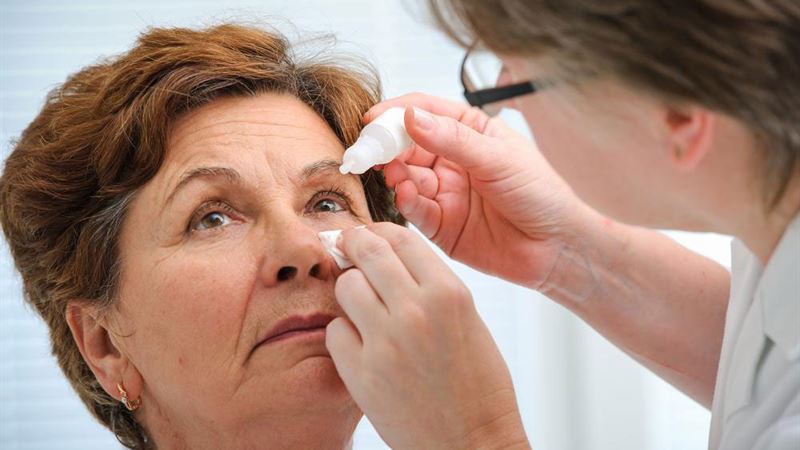
Artificial tear drops and ointments are often the first line of treatment, providing immediate relief by lubricating the eyes. For more persistent cases, procedures like punctal occlusion help conserve tears, prolonging eye moisture. Adjusting lifestyle and environmental factors can significantly reduce symptoms and prevent aggravation.
In conclusion, managing dry eyes requires a comprehensive approach, beginning with understanding its causes, recognizing symptoms early, and selecting suitable treatment options. Consulting an eye care professional will help tailor an individualized treatment plan, ensuring optimal eye health and comfort.