
Comprehensive Guide to Recognizing and Preventing Deep Vein Thrombosis
This comprehensive guide covers everything about deep vein thrombosis (DVT), including causes, symptoms, risk factors, prevention tips, and treatment options. Learn how early detection can prevent life-threatening complications like pulmonary embolism. The article emphasizes lifestyle modifications and medical interventions to reduce DVT risk, especially for high-risk individuals. Understand the importance of awareness and proactive health measures to maintain vascular health and avoid serious health crises related to blood clots.
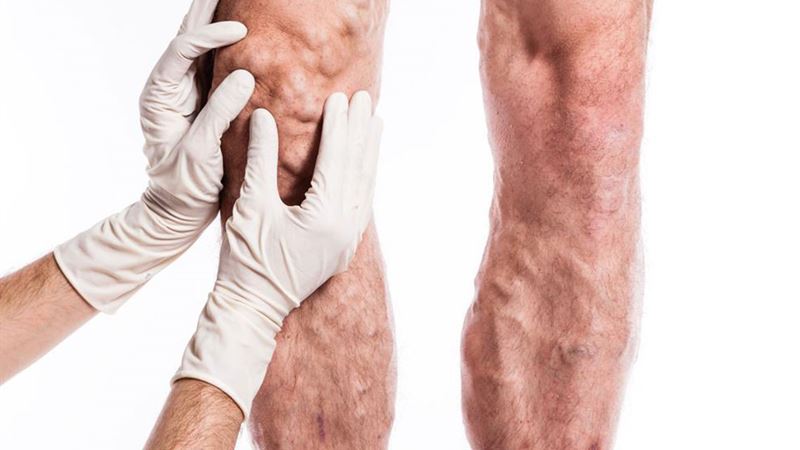
Deep vein thrombosis (DVT) is a serious medical condition characterized by the formation of a blood clot within the deep veins, most commonly in the legs. If not identified and treated promptly, DVT can lead to life-threatening complications such as pulmonary embolism, where the clot travels to the lungs. Understanding the causes, symptoms, risk factors, and treatment options is crucial for early detection and effective prevention.
Deep vein thrombosis often develops without obvious symptoms, making it essential for individuals at higher risk to be vigilant. Early diagnosis can save lives, so recognizing the signs and understanding the underlying causes are vital components of managing the condition. This comprehensive guide aims to inform readers about everything they need to know about DVT, including risk factors, symptoms, prevention strategies, and treatment options.
Understanding Deep Vein Thrombosis: What You Need to Know
Deep vein thrombosis occurs when a blood clot forms in the deep veins of the body, especially in the legs. These veins carry deoxygenated blood back to the heart, and when a clot blocks these vessels, it can cause swelling, pain, and other serious health problems. The condition is more common than many realize, and early intervention is often crucial to prevent complications.
Key Causes and Risk Factors for Deep Vein Thrombosis
- Venous Injury or Damage: Trauma or injury to the veins, either through surgery or physical injury, can lead to clot formation.
- Prolonged Immobility: Extended periods of inactivity, such as lengthy bed rest or long-haul flights, can slow blood flow, increasing DVT risk.
- Obesity and Overweight: Excess weight exerts additional pressure on the veins in the pelvis and legs, making clot formation more likely.
- Genetic Factors: A family history of blood-clotting disorders can predispose individuals to DVT.
- Use of Catheters and Medical Devices: Placement of intravenous catheters in the veins can irritate walls and lead to clot formation.
- Hormonal Influences: Women on birth control pills or hormone replacement therapy are at a heightened risk due to hormonal effects on blood clotting.
- Smoking: Tobacco use damages blood vessel walls and increases clotting tendency, significantly raising DVT risk.
- Lack of Physical Activity: Sedentary lifestyles, often linked with obesity, contribute to poor circulation and clot formation.
Who Is Most at Risk?
Although DVT can affect anyone, certain groups are more vulnerable:
- Individuals over the age of 50
- People with a history of blood clots or thrombotic conditions
- Those with immobility due to illness, injury, or surgery
- Women taking hormonal medications
- Individuals with obesity or sedentary lifestyles
- Smokers and those with other cardiovascular risk factors
Recognizing the Symptoms of Deep Vein Thrombosis
An important aspect of preventing serious complications is early detection. In many cases, DVT may not present obvious symptoms, which makes awareness even more critical. However, some common signs and symptoms can alert individuals to seek medical attention promptly.
This is often localized to the calf or thigh and may be accompanied by a feeling of heaviness. - Pain or tenderness in the leg: Pain commonly starts in the calf and can feel like a cramp or soreness.
- Warmth and redness: The affected area may feel warmer to the touch and exhibit redness or discoloration.
- Skin changes: The skin over the clot area might appear discolored, ranging from reddish to pale.
- Unexplained leg discomfort: Pain that appears suddenly, especially without an obvious cause, warrants medical assessment.
It's crucial to note that asymptomatic cases are common, and the absence of symptoms does not guarantee that risk is eliminated. A blood clot can dislodge and travel to the lungs, causing a pulmonary embolism, which is a medical emergency.
Health Risks and Complications of DVT
If left untreated, DVT can cause serious health complications. The most dangerous is a pulmonary embolism, where the clot breaks free and obstructs blood flow in the lungs. This event can lead to chest pain, difficulty breathing, and even sudden death if not treated promptly.
Individuals with pre-existing heart or lung conditions are particularly vulnerable. Recognizing early symptoms and seeking immediate medical care is vital, especially for high-risk groups. Timely treatment can significantly reduce the risk of life-threatening consequences.
Strategies for Prevention and Management
Preventing deep vein thrombosis involves a combination of lifestyle modifications, medical interventions, and awareness. Here are key strategies to reduce your risk and manage existing conditions:
Healthy Lifestyle Habits
- Maintain a Healthy Weight: Excess weight increases pressure on leg veins and fosters clot formation. Achieving and maintaining a healthy weight through balanced diet and exercise is crucial.
- Regular Physical Activity: Engaging in consistent exercise, such as walking, swimming, or cycling, promotes healthy blood circulation and reduces stagnation.
- Avoid Sedentary Behavior: Break up long periods of inactivity by moving around or stretching every hour, especially during long flights or desk work.
- Quit Smoking: Smoking damages blood vessels and increases blood clotting, so quitting dramatically reduces risk.
- Limit Alcohol Consumption: Excess alcohol intake can affect blood coagulation and exacerbate risk factors.
Medical Prevention and Treatment Options
Individuals at higher risk or showing early symptoms should consult healthcare professionals for appropriate interventions:
- Anticoagulant Medication: Blood-thinning drugs reduce clot formation and are often prescribed for at-risk patients.
- Compression Therapy: Wearing graduated compression stockings or bandages improves blood flow and prevents clot development.
- Regular Medical Screening: For those with hereditary risk factors, periodic testing helps monitor and manage health proactively.
- Postoperative Care: After surgery, especially orthopedic procedures, following clinician guidelines can prevent DVT.
- Hormonal Balance Management: Women on hormonal treatments should work with their physicians to assess risks and consider alternatives if necessary.
When is Surgical Intervention Needed?
In severe cases where blood clots are large or unresponsive to medication, surgical procedures such as thrombectomy (clot removal) or catheter-directed thrombolysis may be performed to eliminate the clot. Surgery is generally considered a last resort, given the inherent risks, especially in older adults or those with comorbidities.
Additional Tips for Prevention
Beyond medical advice, applying common sense and proactive measures can significantly lower the chances of developing DVT:
- Stay well-hydrated to maintain optimal blood viscosity.
- Ensure proper leg positioning during prolonged sitting or lying down.
- Monitor and manage pre-existing conditions like hypertension, diabetes, or heart disease.
- Attend regular health check-ups, especially if family history indicates clotting disorders.
Conclusion: Empower Yourself to Prevent Deep Vein Thrombosis
Deep vein thrombosis is a potentially life-threatening condition that requires awareness, early detection, and proactive prevention. Maintaining a healthy lifestyle—through regular exercise, weight management, and avoidance of risk factors like smoking—can substantially reduce your chances of developing this condition. If you are at higher risk, consult your healthcare provider for personalized advice and screening. Recognizing early symptoms and seeking prompt medical treatment can prevent severe complications such as pulmonary embolism, saving lives and improving health outcomes. Stay vigilant, take care of your vascular health, and enjoy a safe, active life.