
Comprehensive Guide to Hydraulic Cylinder Pricing and Sourcing in Mexico
This extensive guide explores hydraulic cylinder pricing, types, quality factors, sourcing options in Mexico, and maintenance practices. Gain insights to make informed procurement decisions that optimize costs and ensure reliable operation across various industries. Key advice includes selecting the right cylinder type, considering material quality, leveraging local manufacturers, and maintaining cylinders properly to extend lifespan and performance.
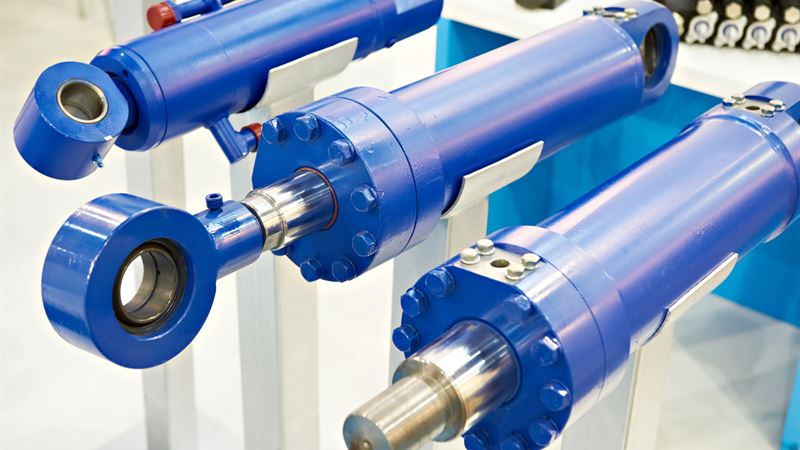
Hydraulic cylinders are essential components across numerous industries, including manufacturing, construction, agriculture, and logistics. Their functionality, durability, and cost significantly influence operational efficiency and project budgets. For businesses operating in Mexico or considering sourcing hydraulic cylinders locally, understanding the various factors that impact pricing and procurement options is crucial. This comprehensive guide offers insights into the types of hydraulic cylinders, quality considerations, cost factors, local sourcing avenues, and maintenance strategies, enabling companies to make well-informed decisions tailored to their specific needs.
1. Varieties of Hydraulic Cylinders and Their Applications
Hydraulic cylinders come in diverse configurations, each designed to meet specific operational requirements. Recognizing the differences among these types is vital for selecting the right product for your application.
Tie-Rod Cylinders: These cylinders are renowned for their rugged construction and ease of maintenance. They are commonly used in industrial settings such as manufacturing lines, assembly machinery, and presses. Their design involves a series of cylindrical rods that hold the end caps in place, providing high strength and durability. Because of their straightforward design, they are often the most cost-effective choice for standard industrial applications.
Welded Hydraulic Cylinders: Distinguished by their integrated design, welded cylinders are characterized by their compact and sturdy construction. They are ideal for mobile machinery, including construction equipment, agricultural machinery, and forestry equipment. The welded design eliminates the need for tie rods, resulting in a more streamlined appearance and often allowing for better sealing and reduced maintenance needs.
Telescopic or Multiple-Stage Cylinders: These cylinders feature multiple concentric stages that extend sequentially, allowing for an extended reach without increasing the overall length of the assembly when retracted. They are essential in applications like dump trucks, cranes, and industrial lifts, where the need to extend reach is critical. The complexity of their design generally contributes to a higher cost.
Double-Acting Hydraulic Cylinders: These cylinders are capable of exerting force in both extending and retracting motions, making them versatile for various operational tasks. They are prevalent in automation systems, robotic arms, and machines requiring bidirectional movement. The dual functionality often comes with a higher initial investment but provides improved operational control and flexibility.
2. Material and Manufacturing Quality Impact
The longevity and performance of hydraulic cylinders heavily depend on the quality of materials used and manufacturing standards. Typically, high-strength steel is the material of choice due to its durability and load-bearing capacity. For applications demanding corrosion resistance or suitability for specific environments, options like stainless steel or aluminum are considered.
Opting for high-quality materials and precise manufacturing processes enhances the durability of cylinders, reduces downtime, and minimizes maintenance costs. However, such quality comes with increased upfront costs, which should be considered as an investment in operational efficiency.
3. Design Customizations and Their Cost Implications
Customizing hydraulic cylinders can involve adjustments to size, stroke length, mounting styles, operational pressure, and other features. Tailored designs are often necessary for specialized machinery or unique operational conditions.
Standard models, manufactured according to industry norms, tend to be more affordable and are suitable for typical applications. Conversely, custom-designed cylinders are generally more expensive due to the additional engineering, machining, and testing required. Nevertheless, they ensure optimal performance and compatibility with specific systems, which can justify the higher initial expenditure.
4. Brand Reputation and Its Effect on Pricing
Well-established brands known for manufacturing reliable and high-performance hydraulic cylinders usually command premium prices. These brands leverage advanced manufacturing techniques, extensive R&D, and comprehensive after-sales support to uphold their reputation.
Investing in reputable brands can lead to longer-lasting cylinders and better service support, reducing long-term costs related to maintenance and replacements. While lesser-known suppliers may offer lower-priced options, the potential risks include inconsistent quality and limited warranty or support services.
5. Importation, Duties, and Local Manufacturing Benefits
Import duties and taxes significantly influence the final cost of hydraulic cylinders entering Mexico from abroad. Importing from foreign manufacturers involves additional charges, customs clearance fees, and potential delays. On the other hand, locally manufactured cylinders generally have lower total costs due to reduced shipping and duty expenses.
Mexico boasts a growing number of hydraulic cylinder manufacturers serving domestic needs. Supporting local suppliers can result in faster delivery times, easier communication, and easier access to after-sales service and parts.
6. Economies of Scale and Purchase Volume
Bulk purchasing offers substantial cost advantages. Order quantities in larger volumes often entitle buyers to discounts, improved pricing, and flexible payment or delivery terms. Companies should consider their projected consumption and negotiate accordingly to optimize costs and maintain sufficient stock levels.
7. Typical Price Ranges for Hydraulic Cylinders in Mexico
The cost of hydraulic cylinders varies considerably based on type, size, customization, and brand reputation. The typical price brackets in Mexico can be summarized as follows:
Tie-Rod Cylinders: Usually cost between $50 to $300 USD per unit, making them accessible for many industrial applications.
Welded Cylinders: Prices range from approximately $100 to $800 USD, influenced by dimensions, pressure capacity, and design complexity.
Telescopic Cylinders: These high-extendability cylinders tend to start from $500 and can reach several thousand dollars, especially for heavy-duty models.
Custom-Configured Cylinders: Tailored solutions can easily exceed $1,000 USD, depending on specifications and complexity.
8. Sources for Hydraulic Cylinders in Mexico
Choosing the right supplier is crucial for quality assurance and reliable service. Options include:
- Local Manufacturers: Companies like Hydraulics Mexico, Cilindros Hidráulicos S.A., and HydrauMex provide locally produced cylinders, offering cost savings and quick turnaround times.
- International Suppliers: For specialized or high-performance needs, international brands often come with proven expertise. Importers typically facilitate the process, managing customs and logistics.
- Authorized Distributors: Many global brands have authorized local distributors that guarantee authentic products and provide after-sales support, warranties, and maintenance services.
- Online Marketplaces: Digital platforms and B2B portals offer a diverse range of options, competitive pricing, and access to multiple vendors, simplifying the procurement process.
9. Maintenance and Longevity Strategies
Proper maintenance is essential to maximize the lifespan of hydraulic cylinders. Regular inspections should focus on checking for leaks, wear on seals, corrosion, and surface damage. Lubrication and sealing replacements as per manufacturer instructions can prevent issues such as pressure drops or operational failures. Investing in high-quality cylinders and routine upkeep minimizes unexpected breakdowns and costly repairs, ensuring consistent productivity and return on investment.
Conclusion: Making Informed Choices for Hydraulic Cylinder Sourcing in Mexico
Understanding the various factors influencing hydraulic cylinder prices and procurement options enables companies to optimize their operational budgets and ensure system reliability. From selecting the right type and quality to choosing trustworthy local or international sources, strategic decisions lead to better long-term performance. Additionally, prioritizing regular maintenance and quality assurance can significantly extend component life, enhancing overall efficiency and reducing operational costs. By considering these aspects, businesses can confidently invest in hydraulic cylinders that meet their needs and support sustainable growth.