
Comprehensive Guide to Identifying and Managing Common Causes of Knee Discomfort
Explore the numerous causes of knee pain, including injuries, arthritis, and trauma. Learn about diagnosis procedures and treatment options such as physical therapy, medications, and surgeries to restore knee health and function effectively.
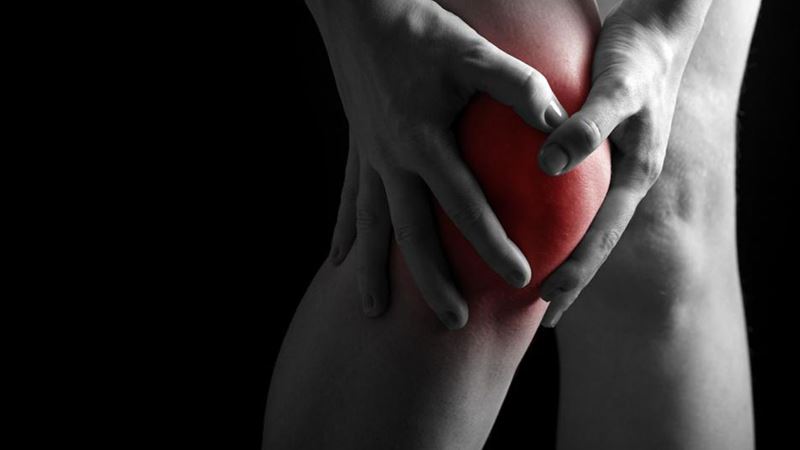
Experiencing persistent knee pain can significantly impact your daily activities and overall quality of life. Understanding the root causes of knee discomfort is essential for effective treatment and recovery. Whether due to sports injuries, degenerative conditions, or accidental trauma, various factors can contribute to knee pain. This extensive guide explores the primary reasons behind knee pain, diagnostic procedures, and available treatment options to help you regain mobility and comfort.
In athletic activities and physical pursuits, injuries such as sprains and ligament tears are frequent and can involve the posterior cruciate ligament (PCL), anterior cruciate ligament (ACL), and medial collateral ligament (MCL). These injuries are often caused by sudden movements, twisting, falls, or direct blows to the knee. Such trauma leads to intense pain, swelling, and instability, often requiring surgical intervention for complete recovery. Proper diagnosis and timely treatment are crucial to prevent long-term damage.
Knee cartilage injuries
Cartilage is a vital semi-rigid tissue covering the ends of bones within the knee joint. It provides cushioning and smooth movement between the bones. Tears or damage to the cartilage, especially the menisci, which are crescent-shaped fibrocartilages situated on the inner (medial) and outer (lateral) sides of the knee, are common injuries. Meniscus tears often cause pain, swelling, and restricted movement, and typically necessitate surgical repair or removal, particularly if the tear is severe or causes mechanical symptoms.
Cartilage is a vital semi-rigid tissue covering the ends of bones within the knee joint. It provides cushioning and smooth movement between the bones. Tears or damage to the cartilage, especially the menisci, which are crescent-shaped fibrocartilages situated on the inner (medial) and outer (lateral) sides of the knee, are common injuries. Meniscus tears often cause pain, swelling, and restricted movement, and typically necessitate surgical repair or removal, particularly if the tear is severe or causes mechanical symptoms.
Arthritis affecting the knee
Knee arthritis is a prevalent condition that leads to significant pain and can impair mobility. It is characterized by inflammation, degeneration, and loss of cartilage within the joint. The main types of arthritis impacting the knee include osteoarthritis, rheumatoid arthritis, and post-traumatic arthritis. Each form has distinct causes but generally presents with symptoms such as swelling, stiffness, difficulty bending or straightening the knee, and persistent discomfort.
Knee arthritis is a prevalent condition that leads to significant pain and can impair mobility. It is characterized by inflammation, degeneration, and loss of cartilage within the joint. The main types of arthritis impacting the knee include osteoarthritis, rheumatoid arthritis, and post-traumatic arthritis. Each form has distinct causes but generally presents with symptoms such as swelling, stiffness, difficulty bending or straightening the knee, and persistent discomfort.
Rheumatoid arthritis of the knee
This autoimmune disorder causes the body's immune system to attack healthy joint tissues, resulting in inflammation, thickening of the synovial membrane, and damage to the cartilage. Rheumatoid arthritis often affects both knees symmetrically and can cause chronic pain, deformity, and loss of joint function. Managing this condition requires a combination of medication, physical therapy, and sometimes surgical procedures.
This autoimmune disorder causes the body's immune system to attack healthy joint tissues, resulting in inflammation, thickening of the synovial membrane, and damage to the cartilage. Rheumatoid arthritis often affects both knees symmetrically and can cause chronic pain, deformity, and loss of joint function. Managing this condition requires a combination of medication, physical therapy, and sometimes surgical procedures.
Post-traumatic arthritis
Developing as a consequence of severe knee injuries such as ligament tears, fractures, or dislocations, post-traumatic arthritis is characterized by cartilage deterioration and joint degeneration over time. If untreated, it leads to persistent pain, swelling, and stiffness, negatively impacting daily activities. Early diagnosis and intervention can slow progression and improve quality of life.
Developing as a consequence of severe knee injuries such as ligament tears, fractures, or dislocations, post-traumatic arthritis is characterized by cartilage deterioration and joint degeneration over time. If untreated, it leads to persistent pain, swelling, and stiffness, negatively impacting daily activities. Early diagnosis and intervention can slow progression and improve quality of life.
Osteoarthritis of the knee
Osteoarthritis is the most common form of arthritis affecting the knee, especially prevalent among individuals over 50 years old. It results from the gradual wearing down of the articular cartilage due to aging, previous injuries, genetic predisposition, excess weight, or chronic illnesses like gout. Symptoms include joint pain, tenderness, swelling, limited range of motion, and sometimes deformity. Carrying excess weight and engaging in high-impact activities can accelerate cartilage degeneration, leading to more severe joint issues over time.
Osteoarthritis is the most common form of arthritis affecting the knee, especially prevalent among individuals over 50 years old. It results from the gradual wearing down of the articular cartilage due to aging, previous injuries, genetic predisposition, excess weight, or chronic illnesses like gout. Symptoms include joint pain, tenderness, swelling, limited range of motion, and sometimes deformity. Carrying excess weight and engaging in high-impact activities can accelerate cartilage degeneration, leading to more severe joint issues over time.
Knee dislocation
This severe injury involves displacement of the knee joint from its normal position, often caused by traumatic incidents such as car accidents or falls. Knee dislocation is a medical emergency because it can compromise blood flow to the lower leg, risking tissue death and other vascular complications. Immediate medical attention is necessary to realign the joint and prevent lasting damage.
This severe injury involves displacement of the knee joint from its normal position, often caused by traumatic incidents such as car accidents or falls. Knee dislocation is a medical emergency because it can compromise blood flow to the lower leg, risking tissue death and other vascular complications. Immediate medical attention is necessary to realign the joint and prevent lasting damage.
Knee fractures
Trauma to the knee can cause fractures of the patella or other bones forming the joint. Such injuries are intensely painful and can significantly impair knee function. Due to the risk of associated soft tissue injuries and vascular damage, fractures require urgent medical assessment, often involving imaging studies like X-rays or CT scans, and may necessitate surgical treatment to restore proper alignment and stability.
Trauma to the knee can cause fractures of the patella or other bones forming the joint. Such injuries are intensely painful and can significantly impair knee function. Due to the risk of associated soft tissue injuries and vascular damage, fractures require urgent medical assessment, often involving imaging studies like X-rays or CT scans, and may necessitate surgical treatment to restore proper alignment and stability.
Diagnostic approaches for knee pain
Accurate diagnosis of knee problems involves comprehensive physical examinations and imaging techniques. Physicians assess pain levels, joint stability, range of motion, swelling, and deformity. Visual inspection, palpation, and specific movement tests help identify ligament tears, meniscal injuries, or joint instability. Radiographic imaging such as X-rays provides detailed views of bones and joint spaces, while MRI scans are invaluable for soft tissue evaluation, including cartilage, ligaments, and menisci. Blood tests or joint fluid analysis may be performed if an inflammatory or infectious cause is suspected.
Accurate diagnosis of knee problems involves comprehensive physical examinations and imaging techniques. Physicians assess pain levels, joint stability, range of motion, swelling, and deformity. Visual inspection, palpation, and specific movement tests help identify ligament tears, meniscal injuries, or joint instability. Radiographic imaging such as X-rays provides detailed views of bones and joint spaces, while MRI scans are invaluable for soft tissue evaluation, including cartilage, ligaments, and menisci. Blood tests or joint fluid analysis may be performed if an inflammatory or infectious cause is suspected.
Management and treatment of knee conditions caused by arthritis
The severity of knee arthritis determines the treatment approach. Mild cases often respond well to conservative measures such as physical therapy, weight loss, and medications. Strengthening exercises improve muscle support around the knee, reducing strain on the joint. Non-steroidal anti-inflammatory drugs (NSAIDs) and acetaminophen are common pain relief options. In cases of advanced cartilage loss, surgical interventions like partial or total knee replacement become necessary. Preoperative preparations, including medical evaluations and patient education, are vital steps to ensure successful outcomes. Postoperative rehabilitation focuses on restoring function, strength, and mobility.
The severity of knee arthritis determines the treatment approach. Mild cases often respond well to conservative measures such as physical therapy, weight loss, and medications. Strengthening exercises improve muscle support around the knee, reducing strain on the joint. Non-steroidal anti-inflammatory drugs (NSAIDs) and acetaminophen are common pain relief options. In cases of advanced cartilage loss, surgical interventions like partial or total knee replacement become necessary. Preoperative preparations, including medical evaluations and patient education, are vital steps to ensure successful outcomes. Postoperative rehabilitation focuses on restoring function, strength, and mobility.
In summary, understanding the causes of knee pain—from sports injuries to degenerative diseases—is essential for timely intervention and effective treatment. Advancements in diagnostic techniques and surgical options have improved the prognosis for many knee conditions, enabling individuals to return to their active lifestyles. Consulting with healthcare professionals experienced in knee health is crucial for developing a personalized treatment plan tailored to your specific needs and medical history.