
Comprehensive Overview of Thrombotic Conditions: Types, Causes, and Treatments
This comprehensive article explores various types of thrombosis, including DVT, Budd-Chiari syndrome, renal vein thrombosis, CVST, portal vein thrombosis, jugular vein thrombosis, and Paget-Schroetter disease. It details their causes, symptoms, diagnostic methods, and treatment options. Designed for medical professionals and patients alike, it emphasizes the importance of early diagnosis and effective management of thrombotic conditions to prevent severe complications and improve patient outcomes.
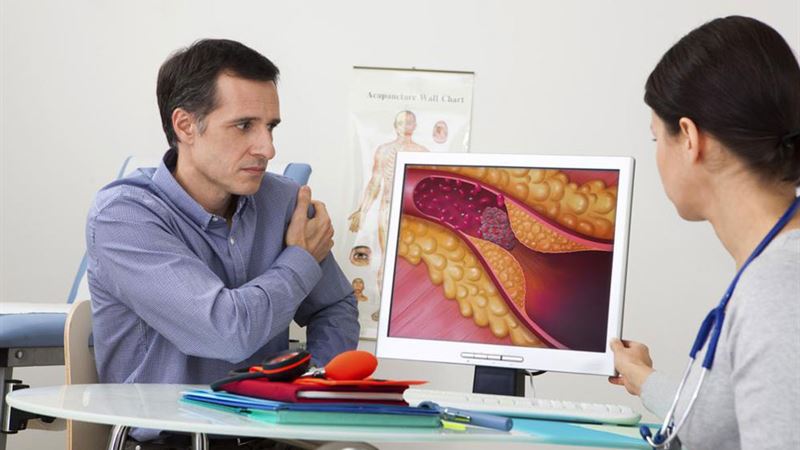
Deep Vein Thrombosis (DVT)
Deep Vein Thrombosis, commonly abbreviated as DVT, is a serious condition characterized by the development of blood clots within the deep veins of the body. Most frequently affecting the veins in the legs, especially the femoral veins, DVT can lead to potentially dangerous complications if not diagnosed and managed promptly. The primary factors contributing to DVT include sluggish blood flow, increased blood viscosity, and abnormalities in the vessel wall structure. Factors such as prolonged immobilization, inherited clotting disorders, certain medications, obesity, and smoking can increase the risk of developing DVT. Symptoms often include swelling, redness, warmth, and pain in the affected limb, but some individuals may remain asymptomatic, making diagnosis more challenging. Diagnosing DVT typically involves imaging techniques such as Doppler ultrasound, venography, or D-dimer blood tests. Treatment strategies focus on anticoagulation therapy to prevent clot extension or embolization, alongside measures like compression stockings and lifestyle modifications to reduce recurrence risks.
Budd-Chiari Syndrome
This rare but serious condition involves the blockage or narrowing of the hepatic veins or the hepatic segment of the inferior vena cava. Its occurrence hinders the normal outflow of blood from the liver to the heart, resulting in hepatomegaly (enlarged liver), abdominal pain, and in some cases, ascites (fluid buildup in the abdomen). The underlying causes may include blood clot formation, certain blood disorders like polycythemia vera, or external compression. Treatment options range from anticoagulant medications and thrombolytic therapy to more invasive procedures such as angioplasty, stent placement, or surgical shunt procedures to restore blood flow.
Renal Vein Thrombosis
Renal Vein Thrombosis occurs when a blood clot develops in the renal vein, which drains blood from the kidneys. This blockage can impair kidney function, leading to symptoms such as flank pain, hematuria (blood in the urine), and swelling of the affected kidney. It can result from hypercoagulable states, dehydration, trauma, or infections. Diagnosis typically involves imaging modalities like Doppler ultrasound, CT angiography, or magnetic resonance venography. Management involves anticoagulation therapy, addressing underlying causes, and in some cases, surgical intervention to remove or bypass the clot.
Cerebral Venous Sinus Thrombosis (CVST)
CVST is an uncommon form of stroke that results from the formation of a clot within the dural venous sinuses of the brain. This condition can present with a variety of neurological symptoms, including severe headaches, visual disturbances, seizures, weakness on one side of the body, and altered mental status. Diagnosis is primarily through MRI combined with MR venography or CT venography. Causes may include infections, inherited clotting disorders, hormonal influences, or trauma. Treatment commonly involves anticoagulation, even in the presence of hemorrhagic stroke, and sometimes includes other interventions like thrombolytic therapy or surgical decompression to alleviate increased intracranial pressure.
Portal Vein Thrombosis
This type of thrombosis involves the portal vein, which transports blood from the gastrointestinal organs, spleen, pancreas, and gallbladder to the liver. When a clot obstructs this vessel, it can cause portal hypertension, leading to complications such as variceal bleeding, splenomegaly, and ascites. Underlying conditions that predispose to portal vein thrombosis include cirrhosis, liver malignancies, infections, and hypercoagulable states. Diagnosis involves ultrasonography, Doppler studies, and contrast-enhanced imaging techniques. Treatment focuses on anticoagulation, managing portal hypertension, and addressing underlying disease processes to prevent recurrence.
Jugular Vein Thrombosis
Jugular vein thrombosis is characterized by the formation of a blood clot within the jugular veins, which run through the neck and drain blood from the brain, face, and neck. It can be caused by infections like neck cellulitis, intravenous drug use, trauma, or malignancies. Symptoms include intense localized pain, swelling, redness, and tenderness along the vein. Because of its varied presentation, diagnosis can be difficult, often requiring ultrasound or other imaging techniques. Treatment involves anticoagulants, antibiotics if infection is involved, and addressing any underlying causative factors. Recognizing and treating this condition early is essential to prevent complications such as pulmonary embolism.
Paget-Schroetter Disease
Also known as effort thrombosis, Paget-Schroetter disease predominantly affects the veins of the upper extremities, particularly the axillary and subclavian veins. It often occurs in healthy young individuals engaged in vigorous or repetitive arm movements, such as athletes or manual workers. The condition results from vigorous activity causing vascular compression and subsequent clot formation. Symptoms include swelling, pain, and heaviness in the affected arm, often worsened by activity. Diagnosis is made via ultrasound, venography, or MRI. Treatment typically involves anticoagulation, thrombolysis, and sometimes surgical decompression or vein removal to prevent recurrence and restore normal blood flow. Early intervention improves outcomes and reduces long-term complications.