
Comprehensive Guide to Lawn Top Dressing: Types, Techniques, and Benefits
Learn about the different lawn top dressing materials, their benefits, and expert tips for effective application. This comprehensive guide covers sand, compost, topsoil, and custom blends to help you maintain a lush, resilient lawn. Discover how top dressing improves soil health, drainage, and overall turf quality for sports fields, gardens, and landscapes.
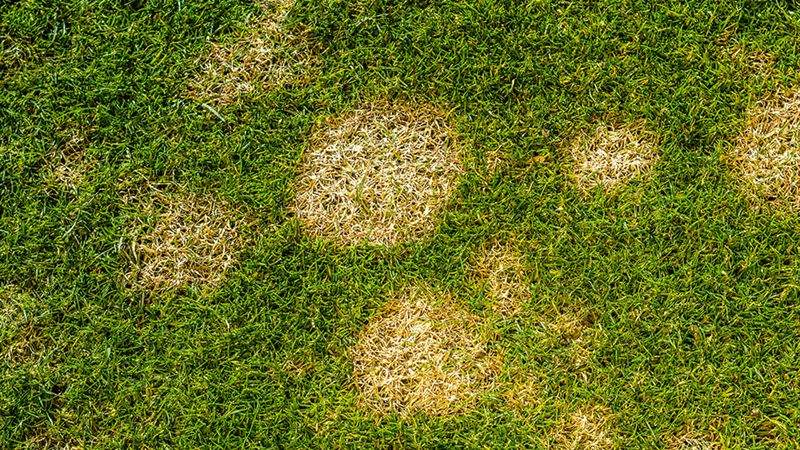
Maintaining a lush, healthy lawn requires more than just regular mowing and watering. One of the most effective techniques to enhance lawn health and appearance is top dressing—applying a layer of soil or other materials over the existing grass. This practice improves soil quality, aids in aeration, enhances drainage, and provides vital nutrients, leading to a more resilient and vibrant turf. As lawn care trends evolve, understanding the different types of top dressings and their specific benefits becomes essential for homeowners and gardening enthusiasts alike.
In this extensive guide, we delve into the various materials used for lawn top dressing, their specific properties, and how to apply them effectively. Whether you're cultivating a backyard garden, sports field, or a commercial landscape, choosing the right dressing and technique can significantly impact your lawn’s health and appearance.
Different Types of Lawn Top Dressing Materials
Choosing the appropriate material for lawn top dressing depends on your lawn's current condition, targeted outcomes, and soil type. Here, we explore the most widely used options: sand, compost, topsoil, and custom blended mixes.
Sand: Enhancing Stability and Drainage
Sand is a popular choice for top dressing on lawns used for sports and high-traffic areas. Its coarse texture provides excellent grip and helps in leveling uneven surfaces. Because of its porous nature, sand facilitates superior drainage, making it ideal for areas prone to waterlogging or heavy rainfall. Additionally, sand can help reduce thatch buildup and improve soil aeration, creating a healthier environment for grass roots.
Applying sand as a top dressing supports better root penetration and anchorage, resulting in a more stable turf. To achieve optimal results, it's recommended to use coarse, well-draining sand, such as builder's sand or horticultural sand, and spread it evenly over the lawn using specialized equipment.
Compost: Boosting Soil Fertility and Organic Content
Compost is an organic soil amendment rich in nutrients and beneficial microorganisms. It not only enhances the aesthetic appeal of the lawn but also actively contributes to soil health. Fine compost, when spread over the lawn, provides essential nutrients like nitrogen, phosphorus, and potassium, supporting vigorous grass growth.
Moreover, compost helps maintain consistent pH levels and moisture retention, making it suitable for all soil types. Home composting practices, such as recycling kitchen waste, enable gardeners to produce organic compost economically and sustainably.
Topsoil: Creating a Natural and Balanced Base
Topsoil is a high-quality, nutrient-rich soil layer that mimics natural soil conditions. It is ideal for filling patches, leveling uneven ground, or establishing new grass areas. Because of its balanced pH and organic content, topsoil encourages healthy root development and supports the establishment of lush turf.
Topsoil is especially beneficial for small lawn patches and residential gardens, where it can be spread evenly to promote uniformity and prevent soil erosion. Its good drainage properties also help roots access water efficiently, reducing the risk of overwatering or waterlogging.
Custom-Blended Mixes: The Perfect Synergy
For tailored lawn improvement, many landscapers opt for custom blends combining sand, compost, and topsoil. These mixes leverage the advantages of each component—porosity from the sand, nutrients from compost, and the smooth finish of topsoil—resulting in a highly effective dressing tailored to specific project needs.
The ratios of these ingredients vary based on the desired outcome, whether it's a highly playable sports field or a decorative garden. Custom blends can be designed with professional guidance or purchased as ready-made products from specialized suppliers.
Primary Benefits of Lawn Top Dressing
Applying top dressing to a lawn offers numerous benefits that go beyond superficial improvements. Proper application enhances soil conditions, supports healthy growth, and increases resilience against environmental stresses.
1. Improved Soil Aeration
Over time, soil tends to become compacted due to weather conditions, foot traffic, and organic matter decay. Compacted soil hampers air and water movement, creating an unhealthy environment for roots. Top dressing introduces a looser, nutrient-rich layer that promotes air pockets, encouraging oxygen access and facilitating water infiltration, leading to healthier root systems.
2. Nutrient Enrichment
Adding a layer of compost or nutrient-balanced mix regularly ensures continuous supply of essential elements like nitrogen, potassium, and phosphorus. This supplementation improves plant vigor, enhances color, and sustains rapid recovery from damage, pests, or disease.
3. Enhanced Microbial Activity
Soil microorganisms play a vital role in breaking down organic material, releasing nutrients, and maintaining soil vitality. Top dressing invigorates these microbial communities, creating a dynamic and self-sustaining ecosystem beneath your grass.
4. Superior Drainage and Water Management
Properly levelling the soil with top dressing prevents water pooling and erosion. It helps distribute water evenly, minimizing the risk of runoff and root rot. Good drainage is critical, especially in climates with heavy rainfall, ensuring the lawn remains healthy and resilient.
5. Reduced Dependency on Chemical Fertilizers
With nutrient-rich organic layers, the need for chemical fertilizers diminishes. The natural nutrients provided by compost and soil amendments support sustainable lawn care, reducing environmental impact and long-term costs.
Application Techniques for Optimal Results
Effective top dressing requires proper technique and timing. Here are some critical steps to ensure successful application:
Preparation: Clear the lawn of debris, weeds, and loose grass. Repair bare patches with soil or seed before applying the dressing.
Choosing the right material: Select the appropriate type and mixture based on lawn condition and desired results.
Application methods: Use specialized tools like rotary spreaders or manual rakes to lay down an even layer of dressing. For large areas, motorized equipment ensures consistency and efficiency.
Layer thickness: Typically, a layer of ¼ to ½ inch (6-12mm) suffices. Avoid adding excessive layers, which can suffocate existing grass.
Post-application care: Lightly rake the dressing into the grass to promote contact. Water thoroughly afterward to aid the integration of the new layer with existing soil.
Maintenance and Best Practices
To maximize the benefits of lawn top dressing, incorporate it into your regular lawn care routine. Schedule applications at the beginning of the growing season or after aeration and overseeding for optimal results. Reapplication every 6 to 12 months helps maintain soil health, ensure sustained nutrient supply, and smooth out uneven patches.
Regular observation of the lawn’s response will guide adjustments in dressing type or frequency. Overusing or improperly applying top dressing can lead to problems like suffocation of existing grass or promoting weed growth, so precision and moderation are key.
By adopting professional techniques and choosing the right materials, you can dramatically enhance your lawn’s health, appearance, and resilience. Whether you're cultivating a backyard paradise or managing a large sports facility, top dressing is an indispensable tool in achieving optimal turf quality.