
Comprehensive Guide to Selecting Optimal Fertilizers for Zoysia Grass Health
Discover expert tips on choosing the ideal fertilizers for your Zoysia grass lawn. Learn about different fertilizer types, compositions, seasonal needs, soil considerations, and application strategies to ensure a lush, green, and healthy turf. This comprehensive guide helps homeowners optimize lawn care and achieve professional-quality results with their Zoysia grass. Whether you prefer organic, synthetic, or slow-release options, you will find valuable advice to maintain and boost your lawn’s vibrancy and resilience throughout the year.
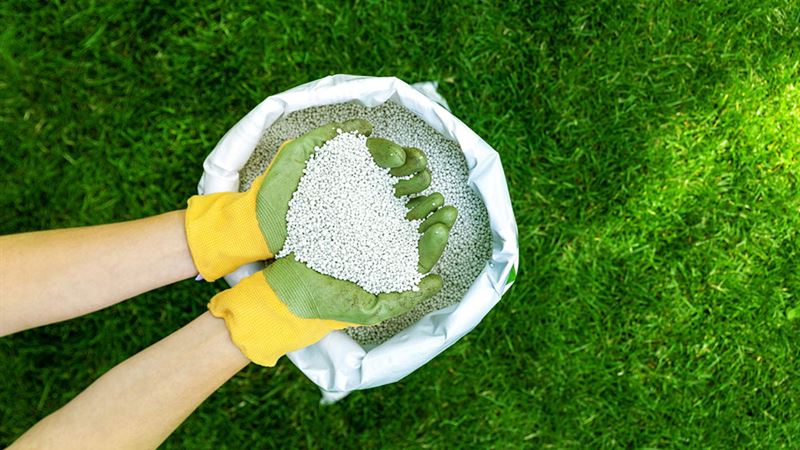
Maintaining a lush, vibrant Zoysia lawn requires careful attention to fertilization strategies. The timing, type, and composition of fertilizers play critical roles in promoting healthy growth and a stunning green appearance. Fertilization sessions should be scheduled during periods of active grass growth, typically from late spring through early summer, to ensure optimal nutrient absorption. In choosing fertilizers, understanding the different forms—granular, liquid, and water-soluble—is essential for tailored lawn care.
Granular fertilizers are popular for their ease of application across large areas. They are evenly spread onto the lawn either by a mechanical spreader or manually, then watered in thoroughly to activate the nutrients. Watering helps release the nutrients gradually, providing consistent feeding to the roots over time and minimizing nutrient runoff.
Liquid fertilizers are highly absorbable and allow for quick nutrient uptake by Zoysia grass. They are typically applied using a hose-end sprayer, making their application simple and efficient. However, it is important not to over-fertilize with liquids, as excessive application can cause nutrient leaching, leading to water pollution and potential harm to nearby water bodies.
Water-soluble fertilizers require dissolution in water before application. They are applied through spraying, providing immediate access to the roots. This quick absorption makes water-soluble fertilizers suitable for correcting deficiencies rapidly. Nonetheless, they tend to leach quickly, necessitating repeated applications to sustain healthy growth.
Beyond the physical form, fertilizers can be categorized based on their composition: organic, synthetic, and slow-release.
Organic fertilizers are eco-friendly options that improve soil quality over time. They release nutrients slowly, enhancing the soil's natural fertility and promoting sustainable lawn health. Examples include compost, manure, and other organic amendments that enrich the soil's organic matter content.
Synthetic fertilizers are designed for rapid nutrient delivery. They are formulated with minerals and chemicals to boost growth quickly, supporting vibrant green coloration and dense grass. High-quality synthetic options often include essential micronutrients like manganese, iron, and zinc, which are vital for maintaining blade health and vigor.
Slow-release fertilizers provide a steady supply of nutrients over an extended period. This method reduces the risk of nutrient leaching and wastage because nutrients are released gradually, ensuring the grass receives consistent nourishment. They are ideal for maintaining an evenly green, healthy lawn without frequent reapplication.
Picking the right fertilizer for Zoysia grass begins with understanding several key factors. The first consideration is the nutrient ratio, commonly expressed as NPK (nitrogen, phosphorus, potassium). An ideal fertilizer should have a balanced NPK ratio, such as 10-10-10 or 16-4-8, to support balanced growth and root development. The presence of micronutrients like manganese, iron, and zinc is equally important, as these elements promote healthy blades and enhance color vibrancy.
Soil assessment is crucial because no two lawns have identical nutritional needs. Conducting a soil test helps identify deficiencies or excesses, guiding the selection of the most suitable fertilizer. For example, acidic soils might require lime, while sulfur is beneficial in alkaline soils to maintain optimal pH levels.
Seasonal changes influence fertilizer requirements. During spring and summer, Zoysia grass actively grows and demands more nutrients. Conversely, during fall and winter, growth slows, and fertilizer applications should be reduced or adjusted accordingly. Using fertilizers tailored for specific seasons ensures efficient nutrient uptake and prevents overfeeding.
Fertilizers with pest- and weed-control properties offer added benefits by reducing the need for separate treatments. These dual-purpose products streamline lawn maintenance, making the fertilization process more economical and less labor-intensive.
Pricing of Zoysia fertilizers varies based on several factors. High-quality products with comprehensive nutrient profiles tend to be more expensive. Organic options generally have a higher price point due to their natural content and longer-lasting benefits. The method of application also impacts cost; liquid and water-soluble fertilizers, which are easier to apply, might carry a premium. Additionally, larger lawn areas require increased quantities, raising overall expenditure.
To maximize the effectiveness of fertilizer use, consider the following tips:
1. Timing: Apply fertilizers when the grass is on the cusp of entering its peak growth phase, preferably late spring or early summer.
2. Application Technique: Use uniform spreading methods, employing a spreader for large lawns to ensure even coverage.
3. Watering: Immediately water the lawn after fertilization to facilitate nutrient absorption and reduce potential runoff.
4. Soil pH Monitoring: Maintain soil pH between 6.0 and 7.0 for optimal nutrient availability.
5. Soil Amendments: Incorporate organic matter, such as compost or peat moss, to improve soil health. Lime or sulfur can modify soil acidity, tailoring conditions for best grass growth.
6. Aeration: Regularly aerate to loosen compacted soil, allowing nutrients to penetrate deep into the root zone.
While choosing the right fertilizer is essential, correct application and maintenance routines are equally critical. Over-fertilization can damage the lawn, causing burns and weakening grass health. Always follow the manufacturer’s instructions for dosage and frequency. Maintaining a consistent mowing schedule and overseeding certain areas can also help keep your Zoysia lawn dense, lush, and resilient.
In conclusion, a comprehensive approach that combines proper fertilizer selection, timely application, and soil management will yield the best results. Ensuring your Zoysia grass receives appropriate nutrients will promote vigorous growth, vibrant color, and overall turf vitality. Regular lawn care practices, such as mowing and overseeding, complement fertilization efforts, resulting in a visually appealing and healthy yard that enhances property value and outdoor enjoyment.
Granular fertilizers are popular for their ease of application across large areas. They are evenly spread onto the lawn either by a mechanical spreader or manually, then watered in thoroughly to activate the nutrients. Watering helps release the nutrients gradually, providing consistent feeding to the roots over time and minimizing nutrient runoff.
Liquid fertilizers are highly absorbable and allow for quick nutrient uptake by Zoysia grass. They are typically applied using a hose-end sprayer, making their application simple and efficient. However, it is important not to over-fertilize with liquids, as excessive application can cause nutrient leaching, leading to water pollution and potential harm to nearby water bodies.
Water-soluble fertilizers require dissolution in water before application. They are applied through spraying, providing immediate access to the roots. This quick absorption makes water-soluble fertilizers suitable for correcting deficiencies rapidly. Nonetheless, they tend to leach quickly, necessitating repeated applications to sustain healthy growth.
Beyond the physical form, fertilizers can be categorized based on their composition: organic, synthetic, and slow-release.
Organic fertilizers are eco-friendly options that improve soil quality over time. They release nutrients slowly, enhancing the soil's natural fertility and promoting sustainable lawn health. Examples include compost, manure, and other organic amendments that enrich the soil's organic matter content.
Synthetic fertilizers are designed for rapid nutrient delivery. They are formulated with minerals and chemicals to boost growth quickly, supporting vibrant green coloration and dense grass. High-quality synthetic options often include essential micronutrients like manganese, iron, and zinc, which are vital for maintaining blade health and vigor.
Slow-release fertilizers provide a steady supply of nutrients over an extended period. This method reduces the risk of nutrient leaching and wastage because nutrients are released gradually, ensuring the grass receives consistent nourishment. They are ideal for maintaining an evenly green, healthy lawn without frequent reapplication.
Picking the right fertilizer for Zoysia grass begins with understanding several key factors. The first consideration is the nutrient ratio, commonly expressed as NPK (nitrogen, phosphorus, potassium). An ideal fertilizer should have a balanced NPK ratio, such as 10-10-10 or 16-4-8, to support balanced growth and root development. The presence of micronutrients like manganese, iron, and zinc is equally important, as these elements promote healthy blades and enhance color vibrancy.
Soil assessment is crucial because no two lawns have identical nutritional needs. Conducting a soil test helps identify deficiencies or excesses, guiding the selection of the most suitable fertilizer. For example, acidic soils might require lime, while sulfur is beneficial in alkaline soils to maintain optimal pH levels.
Seasonal changes influence fertilizer requirements. During spring and summer, Zoysia grass actively grows and demands more nutrients. Conversely, during fall and winter, growth slows, and fertilizer applications should be reduced or adjusted accordingly. Using fertilizers tailored for specific seasons ensures efficient nutrient uptake and prevents overfeeding.
Fertilizers with pest- and weed-control properties offer added benefits by reducing the need for separate treatments. These dual-purpose products streamline lawn maintenance, making the fertilization process more economical and less labor-intensive.
Pricing of Zoysia fertilizers varies based on several factors. High-quality products with comprehensive nutrient profiles tend to be more expensive. Organic options generally have a higher price point due to their natural content and longer-lasting benefits. The method of application also impacts cost; liquid and water-soluble fertilizers, which are easier to apply, might carry a premium. Additionally, larger lawn areas require increased quantities, raising overall expenditure.
To maximize the effectiveness of fertilizer use, consider the following tips:
1. Timing: Apply fertilizers when the grass is on the cusp of entering its peak growth phase, preferably late spring or early summer.
2. Application Technique: Use uniform spreading methods, employing a spreader for large lawns to ensure even coverage.
3. Watering: Immediately water the lawn after fertilization to facilitate nutrient absorption and reduce potential runoff.
4. Soil pH Monitoring: Maintain soil pH between 6.0 and 7.0 for optimal nutrient availability.
5. Soil Amendments: Incorporate organic matter, such as compost or peat moss, to improve soil health. Lime or sulfur can modify soil acidity, tailoring conditions for best grass growth.
6. Aeration: Regularly aerate to loosen compacted soil, allowing nutrients to penetrate deep into the root zone.
While choosing the right fertilizer is essential, correct application and maintenance routines are equally critical. Over-fertilization can damage the lawn, causing burns and weakening grass health. Always follow the manufacturer’s instructions for dosage and frequency. Maintaining a consistent mowing schedule and overseeding certain areas can also help keep your Zoysia lawn dense, lush, and resilient.
In conclusion, a comprehensive approach that combines proper fertilizer selection, timely application, and soil management will yield the best results. Ensuring your Zoysia grass receives appropriate nutrients will promote vigorous growth, vibrant color, and overall turf vitality. Regular lawn care practices, such as mowing and overseeding, complement fertilization efforts, resulting in a visually appealing and healthy yard that enhances property value and outdoor enjoyment.