
Advanced Treatments for Type 2 Diabetes: Options and Considerations
This comprehensive guide explores various advanced treatments for type 2 diabetes, including injectable and oral medications. It highlights mechanisms, benefits, safety considerations, and how personalized therapy plans can optimize blood sugar control and improve quality of life for patients managing this chronic condition.
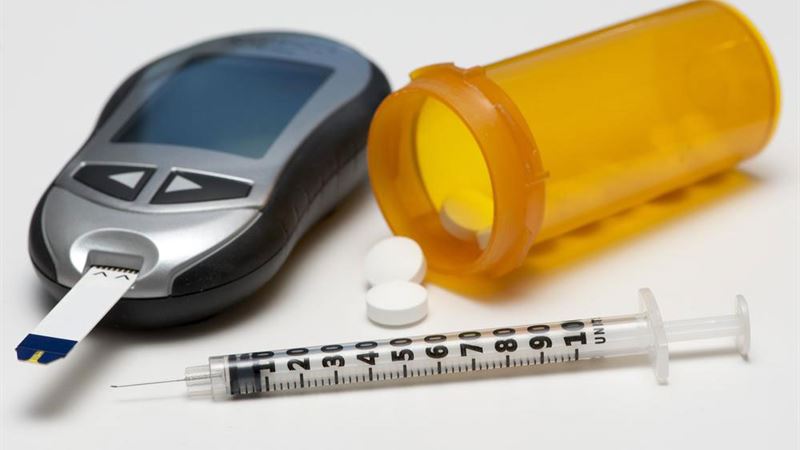
This article explores the primary medication classes used in type 2 diabetes management, their mechanisms, advantages, disadvantages, and important safety considerations.
Injectable medications have become central to effective blood sugar control, especially in cases where oral medications are insufficient. These therapies are often prescribed alongside other treatments or as standalone options depending on individual needs. Proper administration, adherence to dosage instructions, and understanding potential side effects are crucial components of successful therapy.
The most common injectable class includes insulin preparations and newer non-insulin injectables such as GLP-1 receptor agonists. These drugs work by either replacing insulin or enhancing the body's own insulin production, thereby effectively reducing blood glucose levels.
- Insulin Therapy: Insulin remains the cornerstone of diabetes treatment for many patients. It mimics the body's natural insulin response, helping to regulate blood sugar levels effectively. Insulin types vary from rapid-acting to long-acting formulations, allowing customization based on individual needs. Proper injection techniques and dosing schedules are vital to avoid complications.
In addition to insulin, several injectable medications like GLP-1 receptor agonists offer benefits such as weight loss and reduced cardiovascular risk, making them especially suitable for certain patient populations. These therapies can significantly improve glycemic control, but they require proper patient education regarding administration and potential side effects.
Side effects from injectable medications can include hypoglycemia, weight changes, and gastrointestinal symptoms. Therefore, routine monitoring and ongoing communication with healthcare providers are essential to optimize treatment and minimize adverse effects.
Oral medications remain a mainstay of type 2 diabetes management. They are often used in combination with injectables or other drugs to achieve better blood glucose regulation. These medications vary widely in their mechanisms—some improve insulin sensitivity, others increase insulin secretion, and some delay carbohydrate absorption.
- Pioglitazone: This drug belongs to the thiazolidinedione class, known for increasing the sensitivity of body cells to insulin. It helps to lower blood glucose levels by enhancing how efficiently the body responds to insulin, making it useful as an add-on therapy alongside medications like metformin or sulfonylureas. However, its use requires careful patient selection due to potential side effects.
- Acarbose: This medication works differently by delaying carbohydrate absorption in the gut, leading to smaller post-meal blood sugar spikes. While effective, it may cause gastrointestinal issues such as bloating and diarrhea, which can impact patient adherence and comfort.
It is vital to recognize that each medication class has unique contraindications and safety profiles. For example, pioglitazone may worsen heart failure conditions, requiring healthcare providers to assess patients’ cardiovascular health before prescribing. Liver function monitoring is also recommended, as some drugs can cause hepatic side effects.
Choosing the right treatment plan involves weighing the benefits and risks of each medication, considering patient-specific factors such as comorbidities, lifestyle, and preferences. Regular follow-ups and laboratory tests are essential elements of effective management, ensuring therapies remain appropriate and safe over time.