
Comprehensive Strategies to Prevent HIV Transmission and Protect Your Health
Learn effective strategies to prevent HIV transmission, including safe sexual practices, medical prophylaxis, screening, and protecting vulnerable populations. Empower yourself to reduce risks and promote health awareness.
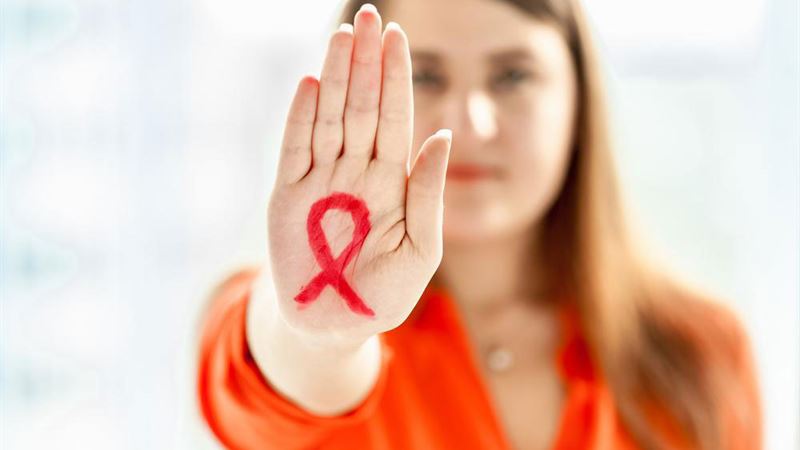
HIV (Human Immunodeficiency Virus) remains a global health concern, but with informed actions and safe practices, it is possible to significantly reduce the risk of infection. This extensive guide aims to provide practical and scientifically supported methods to prevent HIV transmission, ensuring individuals can protect themselves and their loved ones effectively. From understanding risky behaviors to exploring medical prevention options, this article covers everything you need to know about staying safe.
Preventing HIV begins with awareness and responsible behavior. Engaging in safe sexual practices is paramount; using condoms correctly each time you engage in any sexual activity, including oral, vaginal, or anal sex, drastically lowers the risk of transmission. It’s essential to learn the proper way to use condoms—checking expiration dates, using a new condom for each act, and ensuring proper fit and withdrawal techniques after ejaculation. Limiting the number of sexual partners reduces exposure to potential risks and allows for better control over one's sexual health. Regularly discussing sexual health with partners and encouraging mutual testing can further decrease chances of unknowingly contracting or spreading HIV.
One of the most crucial aspects of HIV prevention involves screening and testing. Both partners should undergo testing for HIV and other sexually transmitted infections (STIs) before engaging in sexual activity. Detecting STIs early is vital since co-infections can increase the likelihood of HIV transmission. Healthcare providers can recommend appropriate testing intervals depending on individual risk factors, helping to catch infections early and commence treatment promptly.
In addition to safe sexual practices, avoiding the sharing of needles and other injecting equipment is critical. HIV transmission via contaminated needles is common among individuals who use intravenous drugs. To reduce this risk, only sterile needles and equipment should be used, and if drug use is involved, accessing needle exchange programs or supervised injection sites can be highly beneficial. Sharing needles significantly elevates the chance of HIV transmission, and harm reduction strategies are vital for at-risk populations.
For individuals at high risk of HIV exposure, medical prophylaxis presents a potent preventative measure. Pre-exposure prophylaxis (PrEP) involves taking a daily medication that significantly reduces the chances of contracting HIV. It’s crucial to consult with a healthcare provider to determine if PrEP is appropriate, undergo regular monitoring, and adhere to prescribed schedules. Similarly, post-exposure prophylaxis (PEP) is an emergency option for those who believe they’ve been exposed to HIV recently. PEP must be started within 72 hours of exposure and taken consistently for 28 days to be effective.
Pregnant women living with HIV require specialized care to prevent transmitting the virus to their babies. Medical professionals often prescribe antiretroviral therapy (ART) during pregnancy, labor, and breastfeeding, which greatly reduces the risk of mother-to-child transmission. The newborn may also receive treatment for several weeks after birth to further minimize the chance of infection. Early diagnosis and continuous care are critical during this stage to safeguard maternal and infant health.
For individuals already diagnosed with HIV, adherence to ART is essential to manage the virus and maintain a healthy, productive life. ART works by reducing the viral load in the body, making it less likely to be transmitted to others. Regular medical follow-up, proper medication management, and lifestyle adjustments support effective disease control and improve quality of life. Moreover, ongoing research continues to optimize treatment strategies and develop potential cures, offering hope for future advancements.
Raising awareness and implementing these preventive strategies are effective ways to combat HIV. Education campaigns, community outreach, and accessible testing facilities are vital for reaching diverse populations. Empowering people with knowledge enables them to make informed choices about their health and reduces stigma associated with HIV/AIDS. Remember, prevention is a collective effort—medical, social, and behavioral measures combined create a powerful defense against HIV transmission.
By understanding these key prevention measures and incorporating them into daily life, individuals can take control of their health and contribute to the global fight against HIV. Staying informed, practicing safe behaviors, and utilizing available medical options are the best tools we have to prevent new infections and ensure a healthier future for all.