
Comprehensive Guide to Identifying and Managing Spider Bites Effectively
Learn how to identify venomous spider bites, recognize common dangerous spider species like black widows and recluse spiders, and discover effective first aid and treatment plans. This comprehensive guide provides detailed identification tips, symptoms, and preventative measures to help you stay safe and respond correctly to spider encounters at home or outdoors.
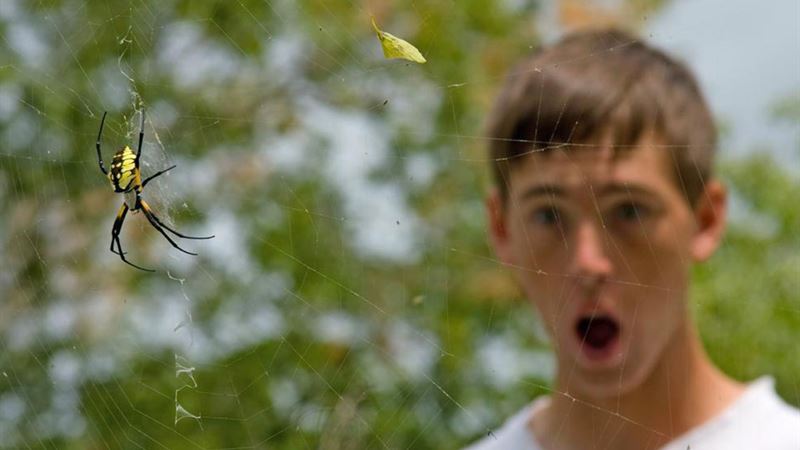
Spiders are fascinating yet often misunderstood creatures belonging to the class Arachnida. They play a vital role in controlling insect populations, but their bite can sometimes cause concern. While most spider species are harmless, a select few possess venom potent enough to pose health risks to humans. This detailed guide aims to provide thorough information on spider bites, teaching you how to identify them, understand symptoms, and know the appropriate responses for effective management and treatment.
Venom, the primary weapon of spiders, is used primarily to subdue prey. Despite this, the majority of spiders do not pose a serious threat to human health, as their venom often has little effect on larger creatures like humans. Nevertheless, some species, such as the widow spiders and recluse spiders, have potent venom capable of causing significant medical issues. Recognizing the signs of a venomous spider bite and understanding the key characteristics of dangerous spiders can help prevent complications and ensure swift medical intervention when needed.
Identifying a spider bite involves careful observation of both the bite site and the spider involved, if possible. Many bites may not be immediately visible or may be mistaken for other skin conditions, so awareness and knowledge are essential. This comprehensive article explores the common venomous spiders, their identifying features, symptoms of bites, and effective treatment options, equipping you with the necessary information to handle these encounters confidently.
Understanding the Common Venomous Spider Species
Identifying the specific spider responsible for a bite is crucial in determining the severity and appropriate response. Here are some of the most notorious spiders that are known to bite humans and their distinguishing features:
- Brown Recluse Spider: Known for its shy nature, this spider prefers secluded areas such as attics, closets, and storage rooms. It often bites when accidentally disturbed, typically hiding in items like shoes, clothing, or boxes. Recognizing a brown recluse is key to identification.
- Black Widow Spider: Easily recognized by its shiny black body and distinctive red hourglass-shaped mark on the underside of its abdomen, this spider frequents undisturbed indoor spaces like garages, basements, and sheds. Outdoors, they are often found under logs, stones, and in woodpiles.
- Hobo Spider: These spiders build funnel-shaped webs and are generally non-aggressive. They are poor climbers and prefer to stay on the ground or low vegetation. Their bites may resemble those of recluse spiders but are often less severe.
- Sac Spiders: Frequently mistaken for recluse spiders, sac spiders are small, light-colored, and create sac-like webs in corners and crevices indoors. They are nocturnal hunters and tend to bite when disturbed.
Distinctive Traits for Spider Identification
Being able to distinguish a specific spider can significantly influence the response to a bite. Below are detailed descriptions and visual cues for some of the most common venomous spiders:
Brown Recluse Spider
- Has a characteristic violin-shaped marking on the cephalothorax, with the neck of the violin pointing towards the abdomen.
- The color varies from dull yellow to dark brown, often with a uniformly hairy body.
- Size typically ranges from 6 to 20 millimeters.
Black Widow Spider
- Features a shiny black body with a prominent red hourglass marking on the underside of the abdomen.
- Body length is generally about half an inch, with legs stretching up to 2.5 centimeters.
- Builds irregular, tangled webs in undisturbed indoor or outdoor locations.
Hobo Spiders
- Recognized for their long legs and brown coloration with minimal markings.
- Tend to stay close to the ground and spider webs are often funnel-shaped.
- Noted for their speed and quick movements.
Sac Spiders
- Small, light yellow to pale greenish-yellow in color.
- Construct sac-shaped silk retreats and hunt actively at night.
- Usually found in indoor corners, especially near ceilings and window frames.
Recognizing Symptoms of a Spider Bite
Sometimes, the only sign of a spider bite is the skin’s reaction. Monitoring for specific symptoms can help determine whether a venomous species was involved and whether immediate medical attention is necessary. Common symptoms include:
- Sudden, sharp pain at the bite site
- Redness, swelling, and skin discoloration
- Formation of a blister, which can be purple or red
- Muscle cramps or pain
- Fever and chills
- Headaches and body aches
- Itching or rash around the bite
- Sensation of difficulty breathing or tightness in the chest
- Rapid heartbeat or high blood pressure
- Nausea and vomiting
- Swollen lymph nodes
Immediate Steps for Spider Bite Management
When you suspect a spider bite, prompt action is crucial to mitigate health risks. Here are essential first aid tips:
- Immediately wash the affected area with soap and water or a mild disinfectant to prevent infection.
- Apply a clean ice pack wrapped in a cloth to reduce swelling and numb the pain.
- Take antihistamines, such as diphenhydramine, to relieve itching and allergic reactions.
- Keep the bite area elevated to minimize swelling.
- Avoid scratching or irritating the site further.
- Limit physical activity to prevent increased circulation of venom.
When to Seek Medical Attention
While many spider bites are minor, some symptoms indicate the need for professional medical care:
- Intense and worsening pain
- Spreading redness or swelling
- Development of necrotic skin ulcers or tissue death
- Signs of allergic reaction, such as difficulty breathing or swelling of the face and throat
- High fever, chills, or body aches that persist
- Severe muscle cramps or convulsions
In cases involving venomous spiders like widows or recluses, prompt medical treatment, including antivenom or other interventions, can be critical for reducing complications.
Preventative Measures and Tips
Reducing encounters with potentially dangerous spiders involves a combination of cleanliness, awareness, and preventive practices:
- Keep indoor spaces clean and clutter-free, especially in storage areas.
- Seal cracks and crevices in walls, windows, and doors to prevent entry.
- Store clothing and shoes in sealed containers or off the floor.
- Wear gloves and long sleeves when handling stored items or working in areas prone to spider infestation.
- Regularly inspect and clean basements, garages, attics, and sheds.
- Use pest control methods when necessary, especially in high-risk areas.
Final Thoughts
Understanding the characteristics of venomous spiders, recognizing their bites, and knowing how to respond effectively can greatly reduce health risks. While most spiders are harmless and beneficial, awareness and caution are essential, especially in regions where dangerous species are prevalent. Always consult healthcare professionals if bitten by a spider, particularly if symptoms worsen or if you suspect a venomous bite. Education and preparedness are your best defenses against spider-related health complications.