
Comprehensive Guide to Detecting and Managing Spider Bites
This comprehensive guide provides in-depth knowledge on spider bite identification, symptoms, and effective treatment methods for both harmless and dangerous species. Learn how to recognize bites, distinguish between venomous and non-venomous spiders, and when to seek medical help to ensure safety and proper care after a spider encounter.
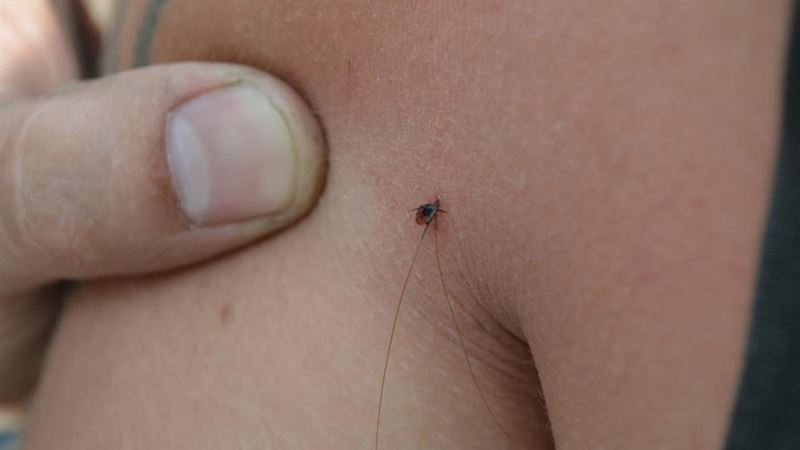
Understanding Why Spiders Bite Humans
Spiders are generally shy creatures that prefer to avoid confrontation with humans. However, some species can bite when they feel threatened or cornered. Not all spiders possess venom capable of causing harm; many bites are simply a defensive reaction. Most common house spiders or harmless wild spiders bite only in self-defense, typically when accidentally provoked or pressed against the skin. Recognizing the context of a bite can help determine the seriousness of the situation and whether medical treatment is necessary.
Spider bites usually manifest as small, itchy red spots that resolve within a few days. Many spiders lack the anatomical features—such as sufficiently long fangs—to penetrate human skin effectively. Therefore, most bites are painless or cause only mild discomfort. Nonetheless, certain species possess potent venom, and their bites can cause significant symptoms or health issues that demand prompt attention.
How to Recognize a Spider Bite
Spotting a spider bite can sometimes be straightforward, but at times, it may require careful observation. The typical signs include localized swelling, redness, and skin damage at the site of the bite. These indicators usually develop within hours of the incident, but sometimes, a bite may be initially unnoticed—particularly if the spider is small or bites during sleep.
Some common symptoms associated with spider bites include:
- Persistent itching and skin rashes
- Formation of blisters that are red or purple
- Localized pain or a burning sensation
- Unusual sweating around the bite area
- Headache and general discomfort
- In some cases, fever and chills can occur
- Elevated blood pressure in certain instances
It’s important to note that spider bites tend to heal more slowly than bites from other insects, such as fleas or mosquitoes. Proper cleaning of the bite area and prompt treatment can prevent secondary infections and reduce healing time.
Effective At-Home Treatment for Non-Venomous Spider Bites
If you are bitten by a harmless or non-venomous spider, you can usually manage the discomfort with simple home remedies. These steps help minimize symptoms and promote healing:
- Apply an ice pack to the affected area intermittently for 10 minutes at a time. This reduces swelling and alleviates pain.
- Use antihistamines to control itching and allergic reactions, especially if the bite is causing rashes or swelling.
- Maintain the cleanliness of the bite site by washing with soap and water. This helps prevent infection.
- In case blisters develop, apply an antibiotic ointment to prevent bacterial infection and reduce inflammation.
If the bite is suspected to be from a venomous spider, further evaluation becomes necessary. Extreme symptoms or prolonged discomfort should prompt seeking professional medical care. The identification of the spider responsible can assist healthcare providers in determining the appropriate treatment.
Identifying Bites from Dangerous Spiders
Some spiders possess venom that can cause more severe health issues. Recognizing these spiders—and the bites they cause—is crucial for safety. The presence of noticeable symptoms and the spider itself often aid in identification. Here are descriptions of some notorious venomous spiders:
Black Widow
The black widow is easily recognizable by its shiny black body and distinctive red marking on the underside. Usually, only the female poses a significant risk. The bite typically results in two small marks at the bite site. Immediate medical attention is advisable to manage symptoms and administer antivenom if necessary. Black widows tend to be nocturnal and prefer dark, undisturbed areas.
Brown Recluse
This spider favors secluded, dark areas like closets and basements. Its bite can sometimes be mistaken for a common skin ulcer but often presents with a characteristic bull's-eye appearance—an area of redness surrounding a central blister or necrosis. Symptoms usually develop within 8 hours, including intense itching, localized pain, and in severe cases, systemic reactions such as fever or nausea. Medical attention should be sought immediately if bitten.
Hobo Spider
The hobo spider, characterized by its long legs and aggressive movement, can bite when provoked. The wound typically exhibits rapid reaction—within 15 minutes—and can turn black if untreated within 24 hours. Symptoms can include redness, swelling, and pain, with potential for secondary infection. Prompt wound care and medical consultation are recommended if bitten.
Tarantula
Although often feared, tarantula bites are generally not dangerous to humans. They can, however, cause symptoms such as low blood pressure, rapid heartbeat, swelling, and eye puffiness. Bites should be monitored, and medical care should be sought if severe reactions occur, especially in sensitive individuals or allergy sufferers.
Wolf Spider
The wolf spider is a sizable ground-dwelling spider with prominent eyes. Its bite can cause tears in the skin, swelling, and localized pain. In some cases, it may lead to tissue damage. Recognizing a wolf spider bite promptly and seeking medical advice is critical to prevent complications.
Camel Spider
The camel spider, common in desert environments, is known for its rapid movement and large jaws. While it tears skin during a bite, it typically does not inject venom. However, the open wound may be prone to infections if not properly treated. Recognizing the bite and keeping the wound clean are vital for recovery.
Jumping Spider
The jumping spider is a household favorite, distinguished by its black body and white spots. It often resides near plants or garden spaces. Its bite resembles a wasp sting and can be painful, especially for individuals allergic to spider venom. The venom can cause allergic reactions, making prompt treatment necessary.
In environments like forests or outdoors during camping trips, the likelihood of encountering venomous spiders increases. Having knowledge of spider bite identification and proper first aid techniques can be life-saving. Always consult a healthcare professional if bites show severe symptoms or if you're unsure of the spider's danger level.