
Comprehensive Guide to Recognizing and Managing Bedbug Bites
Learn how to identify bedbug bites and explore effective treatment options to alleviate discomfort. This comprehensive guide provides detailed symptoms, identification tips, and strategies for managing bites and preventing infestations for a pest-free home.
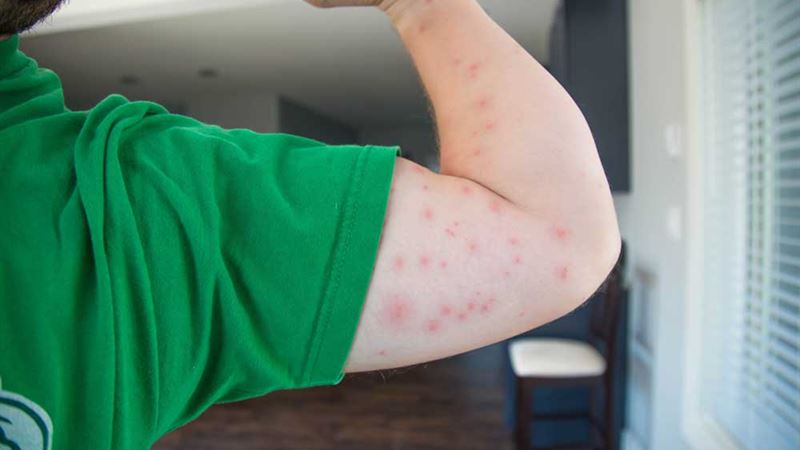
Bedbugs are tiny, elusive insects that can cause a lot of discomfort once they bite. These pests are notorious for attacking while you sleep, often targeting exposed areas of the skin such as the neck, face, arms, legs, and back. They also have a talent for hiding in your clothing, bedding, or furniture, making eradication challenging. Understanding how to identify a bedbug bite is essential for prompt treatment and to prevent further infestations.
Identifying Bedbug Bites: What Do They Look Like?
Many people wonder about the appearance of bedbug bites. Typically, these bites manifest as small, raised bumps on the skin. They often appear red and can be itchy to the touch. In some cases, prolonged feeding by bedbugs can cause the bite area to swell and become inflamed. Recognizing these characteristics can help distinguish bedbug bites from other insect bites or skin irritations.
Understanding the common symptoms associated with bedbug bites is crucial for early detection and treatment. While some individuals may not notice bites immediately, others experience pronounced reactions. Here's what you need to look out for:
- Persistent itching or burning sensation at the bite site
- Red, swollen bumps that may develop a dark central spot surrounded by a lighter rim
- Linear or zigzag patterns of multiple bites on the skin
- Blister-like formations that are itchy and red if disturbed or scratched
- In some cases, severe reactions such as difficulty breathing, swelling of the face or tongue, or irregular heartbeat, especially in allergic individuals
These symptoms can vary depending on an individual's sensitivity to bites and the number of bites received. If you experience any allergic reactions, seek medical attention immediately.
Effective Methods to Treat Bedbug Bites
Having an understanding of what bedbug bites look like is just the first step. Proper treatment can significantly reduce discomfort and prevent secondary infections. Here are some recommended strategies:
- Clean the affected area thoroughly with soap and water to remove any irritating substances
- Apply over-the-counter topical treatments such as hydrocortisone cream to reduce inflammation and itchiness
- Use antihistamine creams or oral antihistamines if itching becomes severe
- Calamine lotion can offer soothing relief and help calm irritated skin
- Avoid scratching the bites to prevent skin infections or scarring
- For more severe reactions or secondary infections, consult a healthcare professional for prescription medications or additional treatment options
In addition to topical remedies, keeping your environment clean and reducing clutter can help prevent re-infestation. If you suspect a bedbug infestation, professional pest control services may be necessary to eliminate these pests completely. Regularly washing bedding, vacuuming furniture, and sealing cracks and crevices can help manage and prevent future issues.
To better understand what to look for, searching for images using phrases like "what do bedbug bites look like" can help you recognize the signs early. Staying vigilant and taking prompt action ensures you remain comfortable and free from these pesky intruders.