
Essential Strategies for an Effective Gearbox Overhaul
Master your gearbox overhaul process with expert tips on inspection, proper tools, meticulous assembly, and preventive upkeep. Follow these detailed strategies to ensure optimal performance, reliability, and longevity of your machinery. Continuous learning and adherence to best practices are key to achieving professional results and minimizing downtime. This comprehensive guide is essential for mechanics, technicians, and DIY enthusiasts looking to elevate their gearbox maintenance skills and ensure seamless operation across various industries.
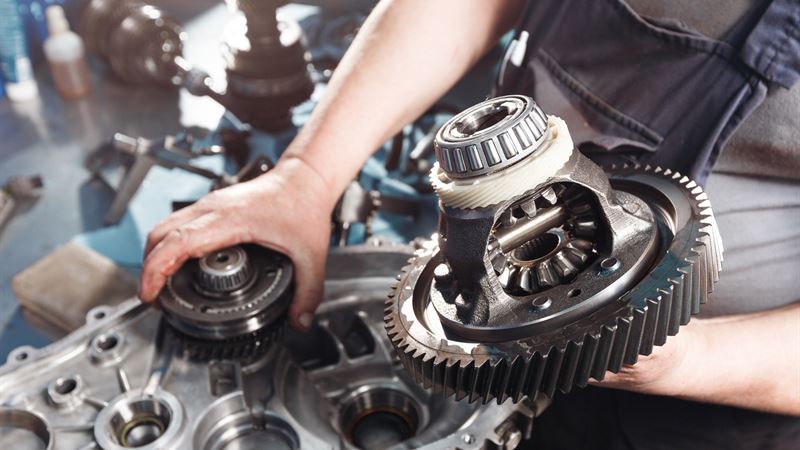
Embarking on a gearbox overhaul is a critical task that demands technical expertise, precision, and meticulous planning. Whether you're a seasoned mechanic or a DIY enthusiast, understanding the key steps involved in successfully rebuilding a gearbox can greatly enhance performance, reliability, and lifespan of the machinery. This comprehensive guide explores the essential strategies and best practices to ensure your gearbox overhaul is efficient, thorough, and long-lasting. By following these guidelines, you can avoid common pitfalls and achieve optimal results that meet industry standards and manufacturer specifications.
- Understanding the Fundamentals of Gearbox Maintenance
Before diving into the overhaul process, it’s crucial to familiarize yourself with the basic principles of gearbox operation and maintenance. Recognizing how gears, bearings, seals, and other components interact will help you identify faults more accurately and plan your repair strategy effectively. A solid foundation in gearbox mechanics allows you to diagnose issues more efficiently and ensures that you make informed decisions throughout the rebuild. Proper knowledge of torque specifications, lubrication requirements, and assembly procedures is vital for a successful overhaul.
- Creating a Clean and Systematic Workspace
Establishing a clean, organized workspace is one of the most important aspects of any mechanical rebuild. Gearboxes contain numerous small, delicate parts susceptible to contamination and damage. Use trays and containers to keep components sorted and labeled, preventing loss or mix-up of parts. Maintaining cleanliness minimizes the risk of dirt, dust, or debris entering the system, which could compromise the rebuild and lead to premature failure. A tidy workspace not only improves efficiency but also reduces the likelihood of errors and helps you work more methodically.
- Gathering and Using the Correct Tools and Equipment
Having the right tools is essential for a smooth and safe gearbox overhaul. Utilize specialized equipment designed for gearbox repairs, such as gear pullers, bearing splitters, and torque wrenches. Precision measurement tools like micrometers and calipers are necessary for verifying component dimensions and ensuring proper assembly. It’s recommended to use manufacturer-approved tools and techniques to prevent damage and ensure compatibility. Investing in quality tools translates into more accurate work, fewer errors, and longer-lasting repairs.
- Thorough Inspection and Cleaning of Components
Every component must be carefully examined for signs of wear, fatigue, or damage. Gears should be checked for pitting, cracks, or uneven wear; bearings for smooth movement and rust; seals and gaskets for leaks or deterioration. Discard and replace any compromised parts with genuine or high-quality aftermarket alternatives that meet OEM standards. Deep cleaning with suitable solvents and compressed air ensures debris does not enter the reassembled gearbox, safeguarding against future failures. Documenting inspection results helps track problem areas and assists in diagnostics.
- Methodical Documentation and Part Labeling
During disassembly, meticulously record the process. Take detailed photographs, make notes on the positioning and orientation of parts, and label each component clearly. Proper documentation simplifies reassembly, prevents mix-ups, and reduces the risk of missing or incorrect parts. This step is crucial, especially when dealing with complex gearsets or multiple identical components. A well-organized record system accelerates the rebuild process and ensures accuracy.
- Replacing Worn or Faulty Parts with High-Quality Components
Using superior quality replacement parts is fundamental to ensuring the longevity of the rebuild. Always opt for OEM or certified aftermarket components that match the specifications of the original parts. Avoid inferior or counterfeit replacements, as these can lead to early failures, increased downtime, and additional costs. Properly matched and high-quality parts ensure proper fit, optimal performance, and extended service life of the gearbox.
- Precision in Reassembly and Followed by Torque Protocols
The reassembly process demands exactitude. Follow the manufacturer’s guidelines carefully, paying close attention to torque settings. Over-tightening can deform components or cause damage, while under-tightening can result in looseness and failure. Apply lubricants generously and according to specifications, ensuring all moving parts are adequately coated for optimal operation. Confirm gear alignments and clearances, and double-check all fasteners. Proper assembly techniques will guarantee smooth operation and minimal future issues.
- Comprehensive Testing and Quality Assurance
Once the gearbox is reassembled, rigorous testing must follow before returning it to service. Conduct bench tests to rotate the gearbox manually, listening for unusual noises or resistance. Load testing simulates real operational conditions, helping identify potential issues early. During testing, scrutinize vibration levels, noise, and temperature. Ensuring that all components operate seamlessly under load extends the lifespan of the gearbox and guarantees reliable performance in the field.
- Implementing Preventive Maintenance Practices
Post-overhaul, establishing a preventive maintenance routine is key to prolonging gearbox life. Regular lubrication checks, monitoring temperature and vibration, and periodic inspections can preempt failures. Implement a schedule based on operating hours and workload, adjusting as needed. Keeping detailed logs of maintenance activities helps identify patterns and forecast potential issues, facilitating timely interventions and reducing unplanned downtime.
- Adapting to New Technologies and Continuous Improvement
Gearbox technology is constantly evolving. Staying updated with the latest advancements, training, and industry standards can significantly improve your overhaul quality. Engage in workshops, certification courses, and manufacturer updates to refine your skills. Incorporate new tools, lubricants, and diagnostic techniques to enhance efficiency and accuracy. Embracing ongoing learning ensures that your overhaul practices are aligned with current industry best practices, providing higher reliability and performance for your equipment.
- Conclusion: Achieving Excellence in Gearbox Overhaul
A successful gearbox overhaul hinges on attention to detail, expertise, and a systematic approach. By understanding the core mechanics, maintaining a clean workspace, selecting the right tools, inspecting and cleaning parts thoroughly, documenting every step, choosing quality replacement components, executing precise reassembly, and testing rigorously, you can achieve optimal results. Coupled with proactive maintenance and continuous learning, these strategies will ensure your gearboxes operate efficiently for years to come. Remember, mastery of gearbox overhaul is an ongoing process—commit to growth and improvement to stay ahead in the industry.