
Comprehensive Guide to Different Types of Vehicle Windshields
This comprehensive guide explores the key differences between laminated and tempered windshields, their manufacturing processes, safety features, and advantages. Understanding these types helps vehicle owners choose the best option for safety, durability, and aesthetic appeal, whether replacing an existing windshield or purchasing a new vehicle. With technological advances, modern windshields are more resilient and safer than ever, ensuring peace of mind for drivers and passengers alike.
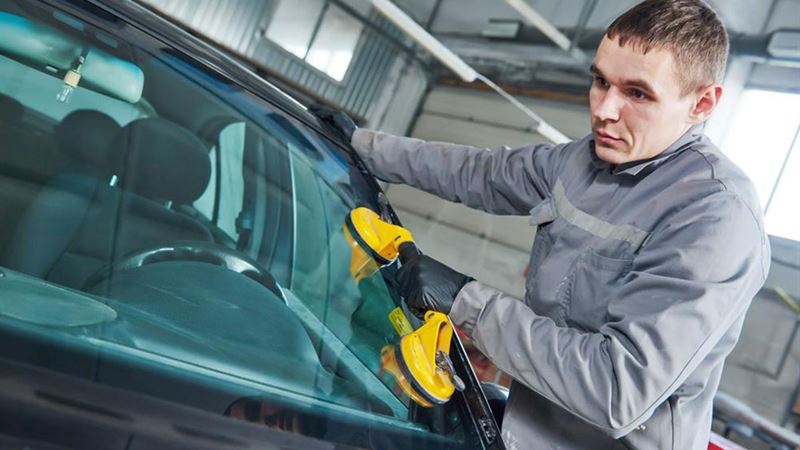
Laminated Windshields: Durability and Safety Combined
Laminated windshields are crafted through a process where multiple layers of glass are bonded together using a durable plastic interlayer, typically polyvinyl butyral (PVB). This process involves several steps to ensure the layers adhere firmly, forming a resilient, single-piece glass structure. The core principle behind laminated glass is that it acts as a safety barrier; in the event of an impact or collision, the plastic layer holds the shattered glass fragments together, preventing dangerous shards from flying outward or inward. This feature significantly reduces the risk of injuries caused by glass shards, making laminated windshields the standard choice for vehicle front windows and windshields.
Beyond safety, laminated windshields also serve other critical functions. They act as a shield against harmful UV radiation, filtering out a significant portion of ultraviolet rays from the sun, which helps protect vehicle occupants and prevent interior fading. Additionally, these windshields are engineered to resist minor cracks and damages, which can often be repaired more easily compared to other types of glass. Modern laminated windshields are designed to seamlessly integrate with the vehicle’s aesthetic design, allowing manufacturers to mold and shape them to fit any vehicle's contours.
Installing a laminated windshield offers peace of mind thanks to its resilience against impacts and ability to maintain the integrity of the glass, even after minor damages. With advancements in manufacturing technology, laminated windshields are becoming more lightweight, more resistant to environmental factors, and more adaptable to various vehicle models. For car owners seeking safety and durability, laminated windshields are undoubtedly the preferred choice.
Tempered Windshields: Strength and Safety through Process
Tempered glass, also known as heat-treated glass, undergoes a specialized manufacturing process that significantly enhances its strength and resistance to impacts. The process begins with heating the glass to a high temperature, typically around 650°C (1200°F). Once the glass reaches this temperature, it is rapidly cooled with jets of cold air in a process called quenching. This rapid cooling causes the outer surfaces of the glass to become compressed while the inner layers remain in tension, resulting in a much stronger and more durable final product.
One of the defining characteristics of tempered glass is its distinctive way of shattering. Unlike regular or laminated glass, which can break into sharp shards, tempered glass disintegrates into small, blunt, cube-shaped pieces when broken. This significantly reduces the risk of severe cuts or injuries, making it safer for vehicle occupants in case of an accident. Tempered windshields are typically used for side and rear windows because of their safety features; however, some vehicles also utilize tempered glass for the front windshield, although laminated glass remains more common for the front due to superior impact resistance.
While tempered glass offers excellent strength and safety benefits, it has some limitations. Once shattered, the glass cannot be repaired or restored; it must be replaced entirely. Additionally, tempered windshields are less flexible in shaping and curving, which can limit their use in certain vehicle designs. Despite these drawbacks, their ease of manufacture, affordability, and safety features make tempered windshields a popular choice in various automotive applications.
To ensure your vehicle is protected with the best windshield, consult with reputable manufacturers and auto glass specialists. They can recommend the most cost-effective yet reliable options suitable for your vehicle’s make and model.