
The Complete Guide to Choosing and Installing Windshields for Your Vehicle
Discover everything about vehicle windshields—from their materials and safety features to choosing the right type for your car or motorcycle. Learn about repair, replacement, and regulation-compliant tinted options to ensure your safety on the road. This comprehensive guide covers the latest advancements and tips for maintaining or upgrading your vehicle’s windshield efficiently and affordably.
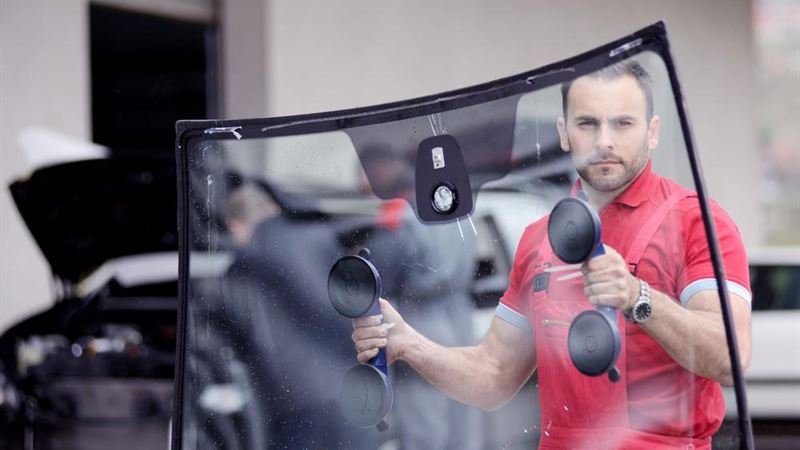
The evolution of windshield materials has been driven by safety concerns and technological advancements. Originally made from simple, tempered glass, modern windshields now incorporate high-strength laminated layers that significantly reduce the risk of injury during accidents. These laminated layers consist of two sheets of glass bonded together with a resilient polymer interlayer, typically made of polyvinyl butyral (PVB). This construction prevents glass shards from scattering upon impact, thereby protecting occupants and reducing the likelihood of injuries from shattered glass.
To further improve safety, manufacturers have developed multi-layered windshields that utilize additional lamination or specialized coatings. These enhancements provide better resistance to impacts, prevent UV rays from entering the vehicle, and can even reduce glare from headlights and sunlight, ensuring clear visibility for drivers in all conditions. Today, there are various types of windshields designed to meet specific vehicle requirements, each with their own unique features, materials, and safety standards.
Choosing the right windshield involves considering several factors, including the vehicle type, climate conditions, safety standards, and personal preferences. Simply put, the shape and size of the windshield are manufactured to align with specific vehicle models—be it sedans, SUVs, trucks, or specialty vehicles. Besides, manufacturers often incorporate designs that balance aesthetics with functionality, such as aerodynamic shaping or additional sun protection features. However, regulations restrict the degree of tinting allowed on windshields to ensure driver visibility and safety on the road.
In terms of tinting, it is common to see windshields with a darker band at the top—often called a sun strip—designed to minimize sun glare for drivers. Nonetheless, heavily tinted windshields, which obscure the driver’s view, are typically not permitted as they can pose safety risks. Regulations governing tint levels vary by jurisdiction, so vehicle owners should always verify local laws before opting for additional tinting on their windshields.
For motorcycle enthusiasts, windshields are not a mandatory feature but are highly recommended for long-distance touring. Motorcycle windshields help deflect wind, debris, and rain, providing riders with enhanced comfort and safety. Some bikers prefer installing custom windshields made from lightweight polycarbonate or acrylic, which are easier to shape and install. Alternatively, many riders choose high-quality helmets with large visors or goggles for protection, especially for casual riding or short trips.
When windshields get damaged due to chips, cracks, or shattering, repair is often impossible, and replacement becomes necessary. The process involves removing the damaged windshield and installing a new one using specialized adhesives. After installation, a crucial period—referred to as the dry or cure time—is required for the adhesive to set properly, ensuring a secure fit and optimal safety. During this time, drivers must adhere to the minimum drive-away time recommended by manufacturers to prevent accidents caused by loose or improperly installed glass.
To find reliable and budget-friendly windshields, consumers should consider established manufacturers known for their innovative safety features and durability. Quality does not always equate to high cost; a variety of affordable options exist that meet safety standards without breaking the bank. Consulting professional installers or authorized dealerships can help ensure the correct fit and adherence to safety regulations, providing peace of mind for vehicle owners.