
Comprehensive Guide to Hair Loss Treatments and Solutions
Discover comprehensive hair loss treatment options, from natural remedies to advanced medical procedures. This detailed guide explains lifestyle changes, medications, regenerative therapies, and surgical solutions to help restore hair health effectively. Whether you're experiencing early thinning or extensive baldness, expert advice and personalized treatment plans are essential for achieving optimal results and regaining confidence.
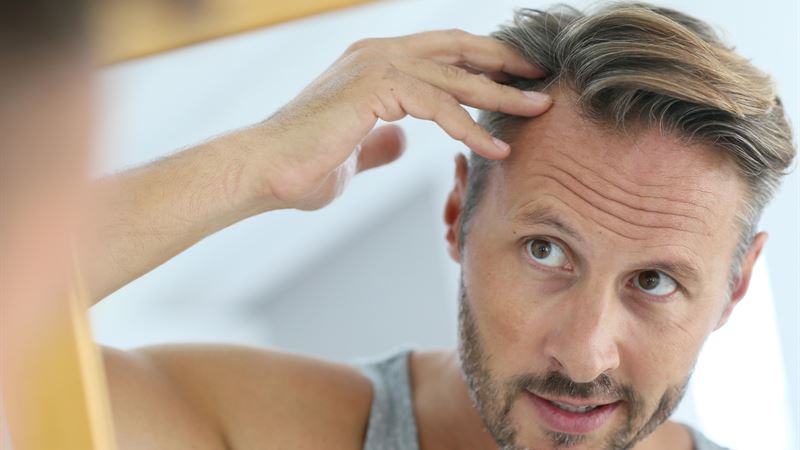
Experiencing hair thinning or baldness can be distressing, but numerous treatment options are available to help restore hair health and confidence. From natural remedies to advanced medical procedures, understanding these solutions can enable effective management of hair loss. In this detailed guide, we explore diverse strategies, lifestyle changes, medical interventions, and surgical options that can assist individuals in addressing hair loss effectively.
- Start with natural remedies such as herbal rinses. Brewing green tea and applying it to your scalp can boost hair health. Simply steep two green tea bags in a cup of hot water, let it cool, then pour it directly onto your scalp. Leave it for about an hour before rinsing thoroughly. This natural method leverages antioxidants to strengthen hair follicles and promote growth.
- Enhance your diet with nutrient-rich foods. Consuming high-protein foods like lean meats, fish, and soy provides essential amino acids and omega-3 fatty acids critical for healthy hair. Moreover, vegetables abundant in zinc, biotin, iron, selenium, and vitamins C, A, and E support hair follicle vitality and prevent hair loss.
- Manage stress effectively since it plays a significant role in hair health. Incorporate stress-relieving activities such as meditation, yoga, or regular aerobic exercises into your daily routine. Spending 30 minutes to an hour each day practicing relaxation techniques can significantly reduce cortisol levels and promote healthier hair growth.
- Proper hair care routines are vital. Shampoo your hair every other day to maintain optimal scalp cleanliness without stripping natural oils. Use wide-tooth combs to minimize hair breakage and traction on fragile strands. Gentle handling and appropriate hair products contribute immensely to reducing shedding and maintaining hair density.
If natural remedies and lifestyle adjustments are insufficient, medical interventions offer more targeted solutions. These typically include topical medications, regenerative treatments, and surgical procedures, each suitable for different types and severities of hair loss.
- FDA-approved topical treatments like minoxidil are widely used to combat pattern baldness. Applied directly to the scalp, minoxidil stimulates hair follicles and encourages regrowth. For more advanced cases, oral medications such as finasteride can be prescribed by healthcare professionals under careful supervision. Both treatments require consistent use and monitoring for optimal results.
- Platelet-Rich Plasma (PRP) therapy has gained popularity as a regenerative approach. This technique involves drawing blood, processing it in a centrifuge to isolate platelets and plasma, then injecting the concentrated plasma into affected scalp areas. PRP stimulates cellular repair, enhances blood circulation, and promotes collagen production, facilitating natural hair regrowth over multiple sessions, typically spanning up to two years based on individual needs.
- Surgical options include hair grafting procedures. During this process, dermatological surgeons extract healthy hair follicles from one part of the scalp and transplant them into bald or thinning areas. Modern techniques like Follicular Unit Extraction (FUE) ensure minimal scarring and natural-looking results, offering a permanent solution for significant hair loss.
- Scalp reduction surgery is another option, especially for balding regions at the crown or back of the head. Surgeons remove non-hair-bearing skin and stretch the remaining hair-covered scalp to cover the exposed areas. While effective for certain regions, this procedure is less suitable for the frontal hairline due to cosmetic considerations.